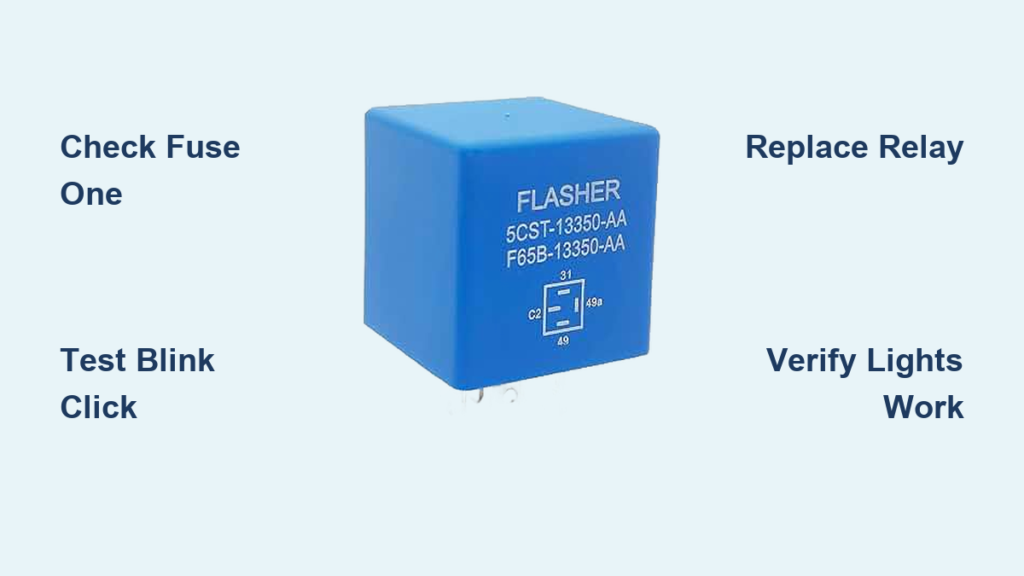
If your F350 turn signals are not working and your hazard lights are dead too, the flasher relay is likely the culprit. This common failure affects many Ford trucks from 1999 to 2007 and stops all blinking lights instantly.
You can fix this issue in under thirty minutes by replacing a small twenty-five dollar part. This guide shows you how to diagnose the problem, locate the relay by model year, and install the correct replacement safely.
Confirm Flasher Relay Failure Before Buying Parts
Many owners replace bulbs or switches unnecessarily when the real issue is the flasher relay. You must verify the relay is dead before removing any dashboard panels or spending money on extra parts.
Perform the Blink and Click Test
This simple diagnostic checks if the heart of your signaling system is beating.
- Turn your ignition key to the ON or OFF position.
- Press the hazard light button rapidly four to five times.
- Listen closely and watch your dashboard indicators.
A working system produces a clear clicking sound and visible blinking lights. If you hear silence and see no lights, the flasher relay has likely failed completely.
Pro Tip: Shake the old relay near your ear after removal. A rattling noise means internal components are broken and replacement is mandatory.
Inspect Fuse Number One First
A blown fuse can mimic relay failure so always check it first. On 1999 to 2001 models, inspect Fuse Number One which must be a twenty-amp unit.
- Use a fuse tester to check for continuity.
- Replace any blown fuse with a correct twenty-amp version.
- Retest the system before assuming the relay is bad.
If the fuse is good but you still have no blink or click, target the flasher relay next.
Locate the Flasher Relay by Model Year
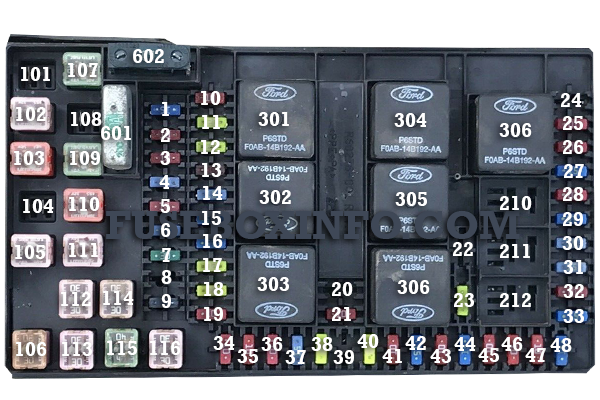
The location of your flasher relay varies significantly across different F350 generations. Knowing your specific model year helps you access the part quickly without damaging surrounding components.
2007 F350 Behind Shifter Fuse Panel
Part Number: EP27L
Difficulty: High due to tight space
- Open the interior fuse panel located near the gear shifter.
- Pull out the cigarette lighter tray to expose the upper dash cavity.
- Lie on your back on the cab floor to reach upward behind the panel.
- Look for a small black housing labeled 97283 containing the EP27L relay.
Visual Cue: The relay has non-symmetrical pins. Note that numbers may appear upside down when removed so match this orientation exactly.
1999 to 2001 F350 Triangle Panel Access
Relay Type: Engineer’s Relay with 90-degree pin
Difficulty: Moderate to High
- Locate the triangle-shaped access panel near the steering column.
- Remove the panel and insert your arm through the top opening for best reach.
- Feel for the larger-than-standard relay on the far side of the connector block.
- Identify the single vertical pin that sits at a ninety-degree angle.
Warning: If you drop the relay it falls into a dark cavity. Retrieval takes about two minutes so use a magnet or flexible grabber tool.
General F-Series Under Steering Column
Location: Metal bracket under dash
Difficulty: Low to Moderate
- Remove the lower dashboard panel under the steering wheel.
- Look for a black plastic cap with a green wiring connector nearby.
- Press the two side prongs on the cap and lift it off gently.
- Pull the old relay straight out of the socket.
Safety Note: Sharp metal edges are common here. Wear gloves and inspect for damaged wiring from prior repairs.
Replace the Flasher Relay Correctly
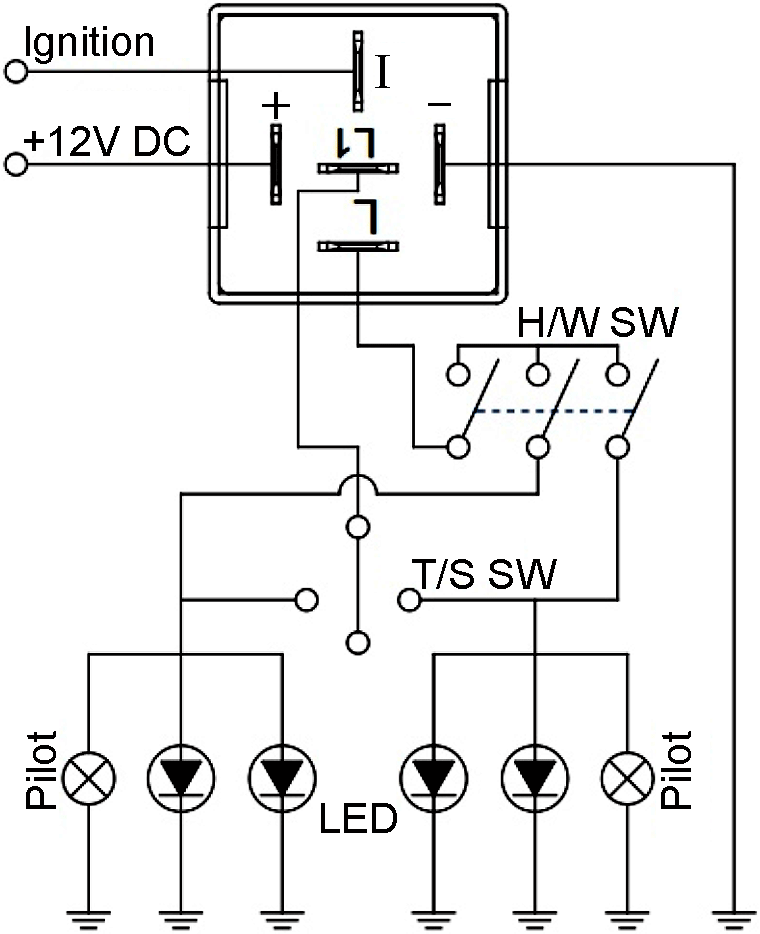
Installing the new relay requires attention to pin orientation to avoid damaging the socket or causing intermittent failure. Follow these steps carefully for a lasting repair.
Match the Part and Orientation
| Model Year | Relay Type | Key Feature |
|---|---|---|
| 2007 | EP27L | Non-symmetrical pins with tight fit |
| 1999–2001 | Engineer’s Relay | One 90-degree vertical pin |
| General F-Series | OEM Flasher Unit | Standard shape with black cap |
- Compare the old and new relay to ensure pin layouts match exactly.
- Align the vertical pin on Engineer’s Relays before pushing it in.
- Insert the relay firmly without forcing it into the socket.
- Reassemble the black cap and reinstall all dashboard panels.
OEM vs Aftermarket: Stick with OEM Ford or NAPA parts. Aftermarket relays often lack thermal protection and fail early.
Test the Repair Thoroughly
Do not assume the fix is complete immediately after installation. You must verify every function to ensure your F350 turn signals not working issue is fully resolved.
Post-Replacement Checklist
- Turn the ignition key to the ON position.
- Test turn signals by moving the lever left and right.
- Confirm front and rear bulbs flash while dashboard indicators blink in sync.
- Press the hazard button to ensure all four corners flash simultaneously.
No Click? Double-check relay seating and fuse condition. If still dead, inspect the socket for corrosion or bent pins.
Why This Fix Saves Time and Money

Replacing the flasher relay is one of the highest value DIY repairs you can perform on an F350 truck.
Cost Comparison
| Option | Cost | Time | Risk |
|---|---|---|---|
| DIY Relay Replacement | ~$25 (part) | 15–30 mins | Very low |
| Dealership Repair | $200+ | 1–2 hours | High (misdiagnosis common) |
Many shops misdiagnose this as a turn signal switch issue. This leads to unnecessary disassembly and high labor charges that you can avoid entirely.
Pro Insight: Ford uses a shared relay for turn signals and hazards. While this reduces parts cost, it creates a single point of failure that OEM relays handle for up to 158,000 miles.
Avoid These Common Mistakes
Even simple repairs go wrong without attention to detail. Avoid these pitfalls to ensure your repair lasts.
Forcing the Relay In
The ninety-degree pin on older models and asymmetrical pins on newer ones prevent wrong insertion. Forcing the part can bend pins, damage the socket, or cause permanent electrical failure. Always align by feel first.
Using Aftermarket Relays Without Thermal Protection
Cheap relays may work initially but fail prematurely due to poor heat resistance. They often lack the internal contacts and overload protection found in quality units. Stick with OEM Ford or NAPA-branded units for reliability.
Ignoring the Fuse
A blown twenty-amp Fuse Number One kills the same symptoms as a dead relay. Always check it first, especially if the relay shows no rattling or visible damage.
When It’s Not the Flasher Relay
If your signals still fail after relay and fuse replacement, the issue may lie elsewhere in the system.
One Side Not Working
- Cause: Burned-out bulb, bad socket, or wiring issue.
- Fix: Inspect front and rear bulbs and check for corrosion.
Intermittent Flashing
- Cause: Loose connection, damaged wiring, or poor ground.
- Fix: Reseat the relay, inspect pin alignment, and check for frayed wires.
Turn Signals Dead But Hazards Work
- Cause: Separate failure paths indicating a turn signal switch problem.
- Fix: Requires steering column inspection which is more complex.
Legal Note: Driving with non-functional turn signals is illegal and dangerous. Repair before road use.
Final Tips for Long-Term Reliability
Keep your F350 signaling system working for years with these maintenance strategies.
Prevent Future Failures
- Use OEM relays built to handle thermal cycling.
- Inspect the system every two years if your truck is over fifteen years old.
- Carry a spare EP27L or Engineer’s Relay in your glove box.
Upgrade Consideration
Some owners retrofit independent hazard relays to eliminate shared failure risk. This requires wiring modification and is best done by a professional technician.
Frequently Asked Questions About F350 Turn Signal Failure
Why are my F350 turn signals and hazards both dead?
This usually indicates a failed flasher relay since Ford uses a shared component for both systems. Check Fuse Number One first, then replace the relay if the fuse is good.
How do I know if my flasher relay is bad?
Perform the blink and click test by pressing the hazard button. If you hear no clicking sound and see no lights, the relay is likely defective.
Where is the flasher relay on a 2007 F350?
It is located behind the interior fuse panel near the shifter inside a small black housing. You must lie on your back to reach it comfortably.
What happens if I use the wrong amp fuse?
Using a thirty-amp fuse instead of the required twenty-amp version can mask electrical issues and potentially damage the wiring harness.
Can I drive my truck without working turn signals?
No, driving with non-functional turn signals is illegal and creates a severe safety hazard for you and other drivers on the road.
Key Takeaways for Fixing F350 Turn Signals Not Working
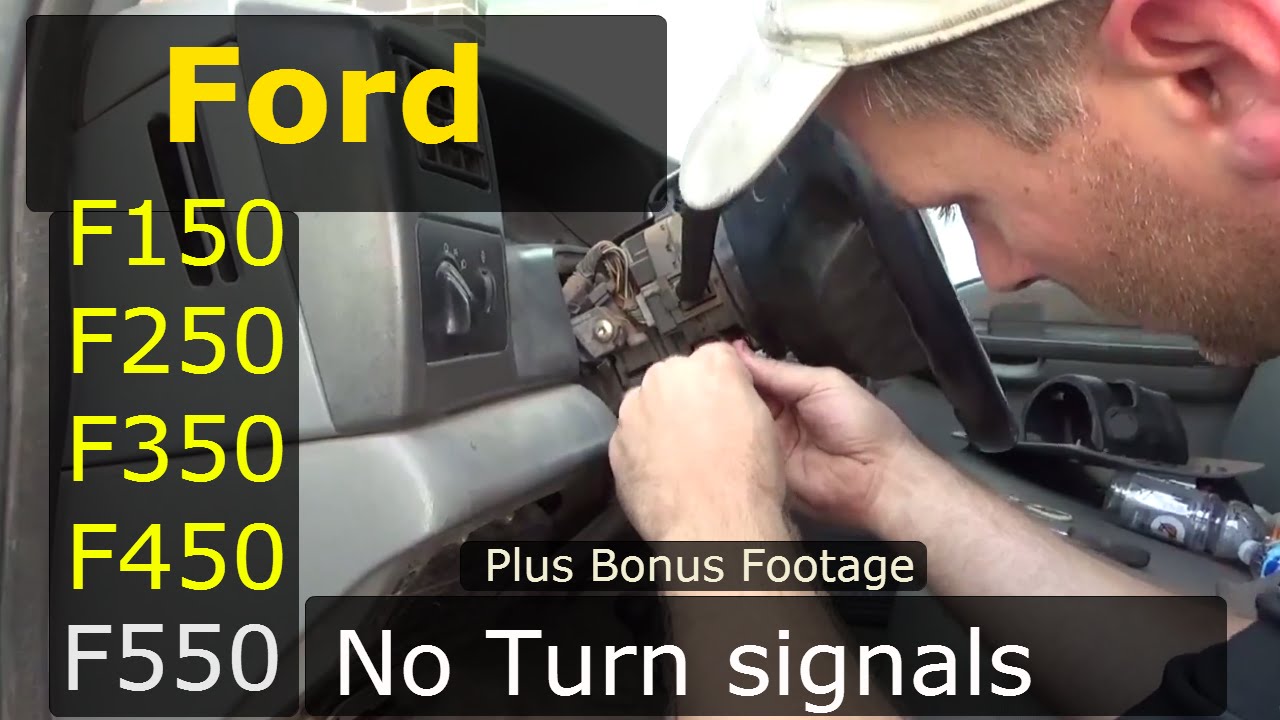
Your F350 turn signals not working is most often caused by a failed flasher relay rather than a complex wiring issue. Replacing this twenty-five dollar part restores full function to your turn signals and hazard lights in under thirty minutes.
Always check Fuse Number One first and use OEM parts to ensure long-term reliability. Follow the specific access steps for your model year to avoid damaging dashboard components during repair.