Your F150 horn isn’t working, and that creates a real safety issue. Whether you’re warning another driver, signaling in traffic, or need your horn for an emergency, a silent horn puts everyone at risk. The frustrating part is that most F150 horn problems have simple fixes you can handle yourself with basic tools and some methodical testing.
This guide covers every possible cause of F150 horn not working, from blown fuses to corroded connectors and failed modules. You’ll learn exactly how to diagnose the problem, test each component properly, and apply the right fix without unnecessary guesswork.
Check Horn Fuse First
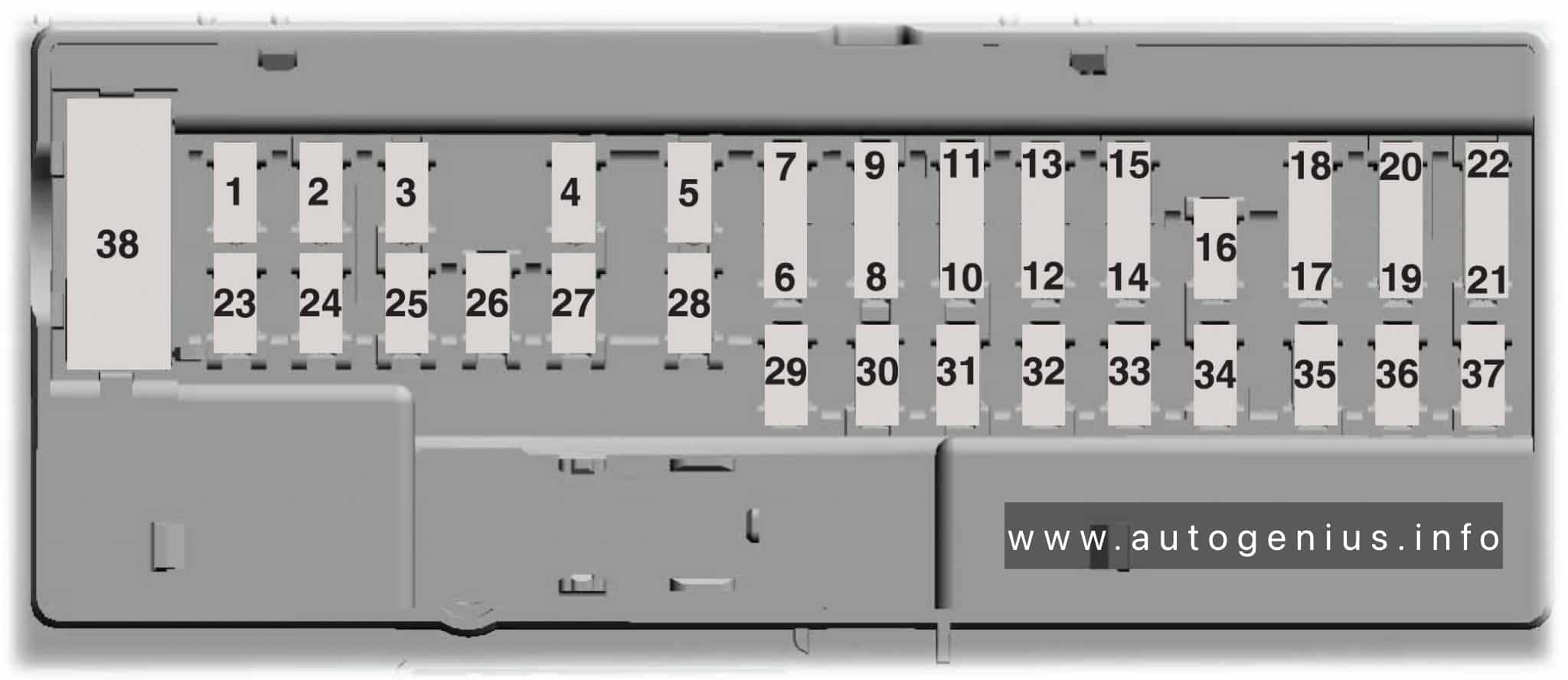
The 25A MICRO2 fuse in your under-hood fuse box is the number one culprit in F150 horn failure. This fuse powers the entire horn circuit and should have power at all times, even when the ignition is off.
Locate and Test Fuse #43
Open your engine compartment and find the battery junction box. Look for Fuse #43, which is typically labeled “Horn” on the diagram printed on the fuse box lid.
Remove the fuse and inspect it carefully. Here’s the critical point: fuses can fail internally without showing any visible damage. Never trust appearance alone.
Test the fuse properly using a digital multimeter:
- Set your multimeter to continuity or voltage mode
- Probe both metal ends of the fuse
- No continuity or voltage means the fuse is bad
- Replace with only a 25A MICRO2 blade fuse
Real-World Case: A 2022 F-150 Lightning arrived from the factory with the horn fuse removed and taped inside the fuse box lid. Reinserting it fixed the horn instantly.
Test the Horn Relay

If the fuse checks out good but your horn still won’t work, the next step is checking Relay #70 in the same under-hood fuse box.
Swap Relay to Confirm
Pull out Relay #70 and have someone press the horn button while you listen closely. A clicking sound tells you the control signal is reaching the relay. However, clicking does not guarantee the relay is actually delivering power. Internal contacts can burn out while the relay still clicks.
The quickest way to test is swapping Relay #70 with an identical relay from your fuse box. Use the radiator fan relay, A/C clutch relay, or headlight relay for this test. If your horn works after the swap, the original relay was faulty. Replace it with a matching 5-pin automotive relay.
Bypass the Fuse to Isolate the Circuit
Still no horn after checking fuse and relay? Perform a fuse bypass test to determine if power can reach the horn at all.
Use Jumper Wire for Power Test
Remove Fuse #43 from its socket. Use a jumper wire with alligator clips to connect battery positive to the output side of the fuse socket. Have someone press the horn button while you do this.
If the horn sounds, your horn and wiring are functional. The problem lies upstream in the control circuit, likely the relay, clockspring, or steering wheel switch. If there’s no sound, you have a break in the wiring or a bad ground connection.
Directly Power the Horn
Before diving into steering column diagnostics, verify that the horn unit itself isn’t dead.
Confirm Horn Functionality
Most F150s have dual horns mounted behind the front grille, one on each side. You can see them with a flashlight through the grille openings.
Test procedure:
- Disconnect the electrical connector from the horn
- Use jumper wires to connect battery positive to the yellow/red wire terminal
- Ensure the black/gray ground wire is connected or touch the horn body to battery negative
- The horn should blast immediately
If the horn sounds, the horn is good and your problem is upstream in the control circuit. If there’s no sound, the horn unit itself is bad and needs replacement.
Pro Tip: If only one tone works, replace both horns. They wear unevenly, and mismatched units create poor sound quality. Replacement cost runs about $35 per horn.
Inspect Horn Wiring and Connectors
Moisture, rodents, and theft attempts commonly cause wiring failures in the horn circuit.
Look for Corrosion and Damage
Check these critical areas:
- Horn connectors behind the front grille
- Wiring along the radiator support
- Connectors 2280F and 2280A, especially in 2022 F-150 Lightning models
Watch for these trouble signs:
- Green or white corrosion on terminals
- Chewed insulation from rodents
- Cut wires from theft attempts
- Loose or melted connectors
Real-World Fix: A 2022 Lightning owner found no power at the relay despite good fuse and relay. Diagnosis revealed corrosion in connectors 2280F and 2280A, requiring BCM replacement and PMI programming.
For repairs, clean corroded terminals with electrical contact cleaner. Solder and heat-shrink any splices rather than using crimp connectors long-term. Apply dielectric grease to all connections to prevent future corrosion.
Diagnose Ground Connection Issues
A poor ground can kill the horn circuit even when everything else has power.
Test with Temporary Ground Wire
Your horn uses a black/gray wire for grounding, connected to the chassis near the mounting point. Run a temporary ground wire from the horn’s metal body directly to the battery negative terminal. Re-test the horn using direct power.
If the horn works with this temporary ground, your original ground connection is faulty. Remove the horn, clean the mounting surface to bare metal, and reattach securely. Paint or rust insulates and prevents proper grounding.
Check the Clock Spring
The clock spring maintains electrical connection between your steering wheel and vehicle systems. When it fails, the horn may only work in certain steering wheel positions.
Test for Intermittent Operation
Press the horn while turning the wheel from full left to full right lock. If the horn works intermittently during the turn, the clock spring is failing.
Watch for these additional symptoms:
- Airbag warning light illuminated on your dashboard
- Cruise control suddenly inoperative
Warning: The clock spring sits behind the airbag. Always disconnect the negative battery terminal and wait 10-15 minutes before working near the steering wheel.
Diagnose Horn Switch Failure
The horn switch built into your steering wheel pad can fail internally.
Test Steering Wheel Button
If pressing the horn produces no response, or if the horn blows continuously, the switch may be faulty. Disconnect the clock spring connector at the base of the steering column. Use a multimeter to check for continuity between the horn switch wires when the button is pressed.
No continuity means the switch is dead. Perform a bypass test by using jumper wires to short the two switch terminals at the clock spring connector. If the horn sounds, the switch is the problem.
Diagnose BCM or SCCM Failure
The Body Control Module activates the horn relay when it receives a signal from the clockspring. If everything else checks out but no voltage reaches the horn, the BCM may be at fault.
Use Scan Tool for Module Checks
This diagnosis requires professional tooling. The SCCM (Steering Column Control Module) may also be involved in signal transmission.
Documented Case: A 2022 F-150 Lightning had no horn power despite good fuse and relay. Self-tests passed initially, but corrosion in connectors 2280F and 2280A led to BCM failure. Required BCM replacement and PMI programming.
If BCM replacement is needed, PMI programming is mandatory. Only Ford dealers or certified technicians with factory tools can perform this procedure.
Replace Failed Horn Units
If testing confirms the horn is dead, replacement is straightforward and takes about 30 minutes.
Remove and Install New Horns
Tools needed:
- 10 mm socket
- Flashlight
- Heat gun for stuck connectors
- Jumper wire for testing
Steps:
- Access through lower grille openings; full grille removal usually not needed
- Disconnect the electrical connector by pressing release tabs
- Remove the 10 mm mounting nuts accessible through the grille
- Pull horn and wiring out carefully
- Connect new horn harness before pushing into place
- Secure with nuts and replace trim
Pro Tip: Apply dielectric grease to the new connector and replace the white silicone seal over the adjustment screw to prevent moisture intrusion.
Prevent Future Horn Failures
Horn problems often return if you don’t address root causes.
Apply Long-Term Durability Tips
Take these preventive actions:
- Inspect connectors and wiring annually for corrosion
- Use dielectric grease on every electrical connection
- Protect wiring with conduit or wire loom
- Secure loose harnesses away from heat and moving parts
- Monitor intermittent operation as an early warning sign
For 2022 and newer Lightning owners, stay alert to BCM and connector 2280F/2280A corrosion issues, which represent an emerging pattern.
When to See a Professional
Most F150 horn issues can be fixed with DIY approaches. Fuse, relay, horn, and basic wiring checks are beginner-friendly tasks.
However, some jobs require expert tools and knowledge:
- BCM or SCCM replacement needs PMI programming
- Clock spring replacement requires airbag safety protocols
- Extensive harness repair needs wiring diagrams and soldering skill
If you’ve tested everything and still have no horn, or if diagnostic trouble codes point to module failures, visit a Ford dealer or certified technician.
Frequently Asked Questions About F150 Horn Not Working
Why does my F150 horn only work sometimes?
Intermittent horn operation usually indicates moisture in the connectors or corrosion on the terminals. Check the horn connectors behind the grille and look for white or green corrosion. Apply dielectric grease and clean any corroded contacts.
How much does it cost to fix a F150 horn?
Fuse and relay replacement cost under $10. Horn units run about $35 each. Professional diagnosis if needed runs $100-150. BCM replacement with programming can cost $500 or more at a dealer.
Can I drive my F150 with a broken horn?
While legal in most areas, driving without a working horn is unsafe and puts you at risk in emergency situations. Fix the problem before relying on your vehicle for daily driving.
Why does my horn work but sounds weak?
Weak or muffled sound usually means one of your dual horns has failed. Replace both horns to restore proper sound quality and balance. The issue is likely internal to the horn unit rather than electrical.
Does the F150 have a horn recall?
Ford has not issued a general horn recall for the F150. However, specific model years (2018-2019) show higher than normal failure rates, and 2022 Lightning models have documented BCM and connector issues.
Key Takeaways for Fixing Your F150 Horn
The F150 horn not working issue is common but rarely complex. Start simple by testing Fuse #43 and Relay #70, then directly power the horn to verify functionality. Over 80% of cases resolve at these basic steps.
Remember these critical points:
- Never assume a fuse is good by sight alone; test it with a multimeter
- Intermittent operation strongly suggests moisture or connector corrosion
- 2022 F-150 Lightning owners should watch for BCM and connector 2280F/2280A issues
- One tone missing means replace both horns for balanced sound
- Horn works only in certain wheel positions indicates clock spring failure
- After BCM replacement, PMI programming is mandatory
With basic tools and methodical testing, you can fix your F150 horn in under an hour. Work through the steps in this guide, and you’ll restore your horn function safely and affordably.