

Owning a diesel truck means managing moisture, so knowing how to drain water in fuel drain filter F350 systems is vital for your engine health. Diesel fuel attracts condensation naturally, and without regular maintenance, this water accumulates in the separator and risks damaging expensive injectors or causing hard starts.
This guide walks you through locating the yellow drain cap, safely removing contaminated fluid, and re-priming your fuel system without special tools. You will learn the exact steps to clear warnings and keep your 6.7L Powerstroke running smoothly for miles to come.
Locate the Yellow Drain Cap Under the Passenger Frame

Finding the correct component is the first step in any water in fuel drain filter F350 procedure. On the 2023 Ford F-350 equipped with the 6.7L diesel engine, the water separator sits underneath the vehicle chassis. It is not located in the engine bay like the primary filter but rather exposed on the frame rail for easy access.
Identify the Passenger Side Frame Rail Position
Crouch beside the front passenger tire and look toward the rear of the wheel well. The housing is positioned approximately 12 to 18 inches back from the front bumper. You will see a black assembly attached directly to the frame rail. This specific location allows gravity to help separate water from the diesel fuel effectively.
Spot the Bright Yellow Drain Cap
The most critical visual cue is the bright yellow cap on the bottom of the housing. Ford uses this distinct color so you can find it quickly even in low light or dirty conditions. This cap serves as the drain valve and connects to the water detection sensor circuit. If your dashboard displays a warning, this is the component you must service immediately.
Execute the Water Drain Procedure Safely
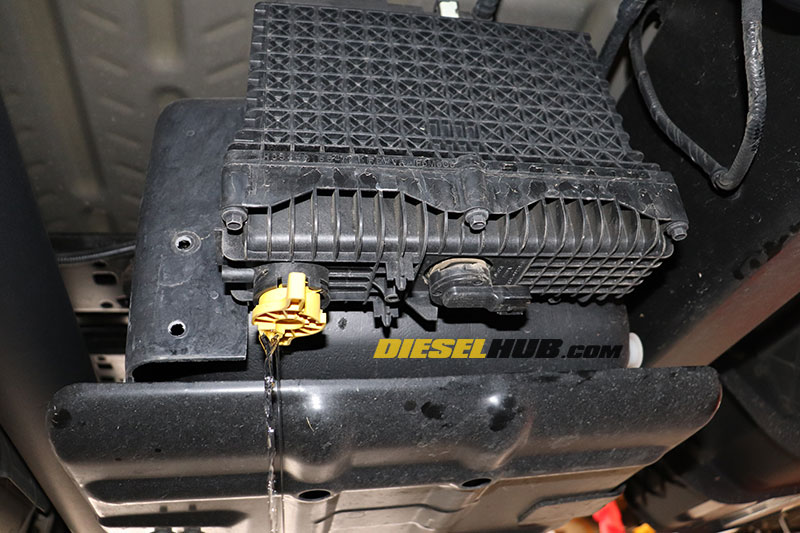
Proper drainage prevents environmental contamination and ensures you can inspect the fluid quality. You need to catch the output to verify how much water has accumulated in your system. Always work in a well-ventilated area away from open flames when handling diesel fuel.
Prepare a Clean Collection Container
Select a clear plastic jug or bottle that is completely dry inside. Using a transparent container allows you to see the separation of fluids later. Place this container directly under the yellow cap before touching the valve. This preparation catches the initial surge of fluid and prevents it from soaking into the ground or your clothing.
Open the Valve and Collect Fluid
Grasp the yellow cap firmly and rotate it counterclockwise to open the flow path. Do not unscrew it completely or remove the tether, as this can damage the sealing mechanism. Allow the fluid to drain freely until the stream slows to a trickle and eventually stops. This process indicates that the reservoir within the housing is empty.
Pro Tip: Hold the cap with one hand while turning to prevent it from dangling loosely on its tether, which could strain the connection over time.
Secure the Cap After Draining
Once the flow ceases, rotate the yellow cap clockwise until it is snug. You only need to tighten it by hand plus a small quarter turn. Over-tightening can crack the plastic housing or warp the O-ring seal, leading to air leaks that cause engine performance issues later.
Re-Prime the Fuel System After Draining
Opening the drain valve introduces air into the fuel lines, which must be removed before the engine can start reliably. Skipping this step is a common mistake that leads to frustration and extended cranking times. The 6.7L Powerstroke requires a specific priming sequence to restore proper fuel pressure.
Cycle the Ignition Key Without Starting
Sit in the driver seat and turn the key to the “ON” position without pressing the start button. Listen carefully near the fuel tank or under the cab for a humming or gurgling sound. This noise is the electric fuel pump pushing air out of the lines and filling the filter housing with diesel.
Repeat the Priming Cycle Five Times
Turn the key back to “OFF” and wait a few seconds before repeating the process. You must perform this on-off cycle five to six times total. With each repetition, the gurgling sound should diminish as air is purged and liquid fuel fills the system. By the final cycle, you should hear very little noise, indicating the lines are full.
Warning: Attempting to start the engine before completing these cycles can drain your batteries and wear out the starter motor unnecessarily.
Start the Engine and Verify System Performance
After priming, the engine should start quickly and idle smoothly. This phase confirms that your water in fuel drain filter F350 maintenance was successful. If the engine struggles, you may need to repeat the priming steps one more time.
Monitor Initial Startup Behavior
Turn the key to start the engine. A healthy system will fire up within two to three seconds of cranking. If it cranks longer than usual but eventually starts, let it idle for several minutes. This allows the high-pressure pump to stabilize pressure and any remaining minor air bubbles to dissipate through the injectors.
Check Dashboard Warning Lights
Observe the instrument cluster closely as the engine runs. The “Water in Fuel” light or filter symbol should turn off shortly after startup. If the light remains illuminated after running for a few minutes, the sensor may still be wet, or there could be residual water triggering the float.
Inspect Drained Fluid for Contamination Levels

Analyzing the fluid you collected provides valuable insight into your fuel quality and storage conditions. This simple test helps you decide if you need to change your fueling habits or inspect your tank further.
Allow Fluid to Separate Overnight
Pour the collected diesel into a clear, stationary container and let it sit undisturbed for 24 hours. Diesel fuel is lighter than water, so gravity will cause any moisture to settle at the bottom while the fuel floats on top. This separation makes it easy to measure the volume of water removed.
Analyze Layers for Water Presence
Examine the bottom of the container after the waiting period. A thin, clear layer at the base indicates minor condensation, which is normal. However, a thick or cloudy layer suggests significant water intrusion. If you see no separation, your fuel system is dry and healthy.
Respond to Water in Fuel Warning Lights
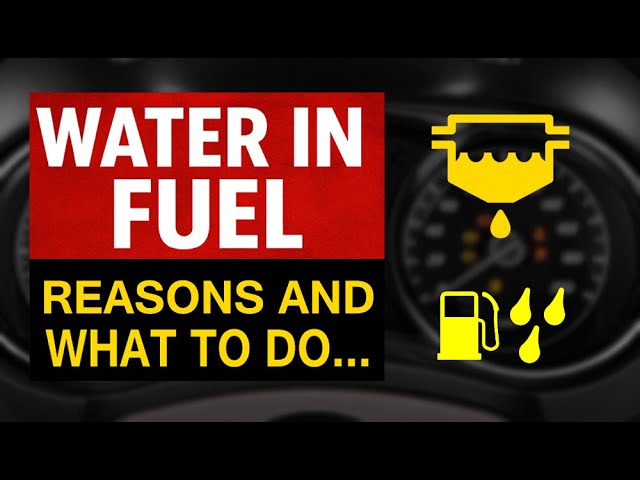
Ignoring dashboard alerts can lead to severe engine damage. The truck’s computer monitors the water level constantly and will alert you when drainage is required. Understanding how to react ensures you do not strand yourself on the road.
Address Immediate Alerts While Driving
If the warning light appears while driving, find a safe place to pull over and shut off the engine. Locate the separator and drain it immediately, even if you recently performed maintenance. Sometimes, a bad batch of diesel fuel can fill the separator faster than expected.
Troubleshoot Persistent Warning Signals
If the light stays on after draining and running the engine, try cycling the key one more time. If it persists, the sensor itself might be faulty or coated with debris. In rare cases, a scan tool from a dealer may be needed to reset the system or diagnose a failed sensor component.
Avoid Common Mistakes During Maintenance
Many owners make simple errors that compromise the effectiveness of the service. Being aware of these pitfalls ensures your water in fuel drain filter F350 task protects your engine as intended.
Never Skip the Re-Priming Step
Draining without re-priming is the most frequent error. The engine cannot run on air, and failing to purge the lines guarantees a no-start condition. Always dedicate the extra minute to cycle the key properly.
Use Only Clean and Dry Containers
Using a dirty or wet jug for collection skews your inspection results. Residual water from a previous wash can make it look like your truck has a major leak. Always use a fresh, dry bottle for accurate diagnostics.
Do Not Over-Tighten the Drain Cap
The plastic housing is durable but not indestructible. Cranking the cap down with excessive force can strip threads or crack the bowl. Finger-tight plus a slight turn is sufficient to create a perfect seal against leaks and air intrusion.
Maintain Your Diesel Fuel System Regularly
Preventative maintenance extends the life of your fuel injectors and high-pressure pump. Establishing a routine schedule reduces the risk of unexpected breakdowns and costly repairs.
Schedule Routine Draining Intervals
Even without a warning light, drain the separator every 5,000 miles or once a month if you live in a humid climate. This habit keeps the sensor dry and prevents water from building up to critical levels. It is a small effort that pays off in long-term reliability.
Practice Smart Fuel Storage Habits
Keep your fuel tank at least half full during long-term storage to minimize condensation inside the tank. Avoid filling up at suspicious or old-looking gas stations where water might be present in the underground tanks. Good fuel habits start at the pump.
Frequently Asked Questions About Draining F350 Fuel Filters
How often should I drain the water separator on my F350?
You should drain the separator every 5,000 miles or monthly in humid conditions. Additionally, perform this task immediately whenever the “Water in Fuel” warning light appears on your dashboard.
What happens if I do not drain the water from my diesel filter?
Accumulated water can cause corrosion in fuel injectors, lead to fuel system freezing in winter, and promote microbial growth. This often results in poor engine performance, rough idling, or complete injector failure.
Why won’t my F350 start after draining the fuel filter?
The engine likely will not start because air entered the fuel lines during draining. You must re-prime the system by turning the key to the “ON” position five to six times to purge the air before starting.
Can I reuse the fuel I drain from the water separator?
No, you should not reuse the drained fluid. It contains water, sediment, and contaminants that can damage your engine. Dispose of it properly at a recycling center or auto parts store.
Where exactly is the water drain located on a 2023 F350?
It is located underneath the truck on the passenger side frame rail, just behind the front wheel well. Look for the distinct yellow cap on the black filter housing to identify it quickly.
Key Takeaways for Water in Fuel Drain Filter F350 Maintenance
Maintaining your diesel truck requires attention to detail, specifically regarding the water in fuel drain filter F350 system. By locating the yellow cap under the passenger frame, draining the fluid into a clear container, and strictly following the re-priming steps, you protect your engine from costly water damage. Regular checks and proper disposal of contaminated fuel ensure your 6.7L Powerstroke remains reliable in all weather conditions.
Make this simple procedure part of your regular maintenance routine today to avoid injector failures tomorrow. Your engine depends on clean, dry fuel to perform at its best, and you have the power to keep it running strong.


