

Many Ford F350 owners consider a leveling kit to improve the truck’s stance or accommodate larger tires. While this modification offers aesthetic benefits, it can introduce serious mechanical issues if you ignore critical suspension geometry changes.
This guide details common Ford F350 leveling kit problems like death wobble and alignment failures based on real user experiences. You will learn how to prevent steering instability, manage towing dynamics, and choose the right components for your specific needs.
Why Factory Rake Exists on Your F350
Your Ford F350 arrives from the factory with a forward rake where the rear sits higher than the front. This design choice serves two specific purposes regarding efficiency and load management. The sloped profile reduces wind resistance at highway speeds to improve fuel economy. More importantly, this rake allows the truck to level out naturally when you add heavy cargo or hitch a trailer.
How Leveling Alters Weight Distribution
Installing a leveling kit removes this factory rake and shifts how weight distributes across the chassis. When you add passengers or heavy front accessories like a 130-pound grille guard, the front end may sag more than expected without rear support. Users report their trucks looking “nose-high” when unloaded but appearing “tail-high” or sagging in the rear when towing heavy fifth wheels.
Impact on Headlight Aim and Towing
A leveled truck often points its headlights skyward when unloaded, which reduces visibility and blinds oncoming traffic. When towing a 15,000-pound fifth wheel, the rear suspension compresses while the front remains high. This uneven weight transfer disrupts aerodynamics and can reduce traction on the front axle during braking maneuvers.
Death Wobble: The Most Serious Risk
Death wobble is a violent front-end shake that can occur at highway speeds after installing a lift. This terrifying condition is not caused by bad shocks alone but rather by significant changes to the caster angle. When you raise the front of your truck using spacers or extended struts, the front axle moves forward relative to the steering axis.
Caster Misalignment Triggers Instability
The root cause of death wobble is usually caster misalignment resulting from the lift installation. As the suspension geometry changes, the caster angle drops, increasing steering instability significantly. If the caster drops too low, even small road bumps can trigger oscillations that build into uncontrollable shaking.
Expert Note: Shocks and steering dampeners do not fix death wobble. These components only mask symptoms while the underlying geometry issue remains unresolved.
Readylift Kits and Geometry Changes
Some users report that Readylift 1.5-inch or 2.5-inch kits install at the bottom of the strut and alter suspension geometry more than top-mount options. A dealer accessory technician noted these kits may contribute to death wobble if installed without specific caster correction measures. While popular, these kits do not include caster correction components, meaning you must purchase them separately to avoid costly alignment issues.
Alignment Issues After Installing a Leveling Kit

Your wheel alignment will almost certainly fall out of specification after installing a leveling kit over 1.5 inches. The most critical adjustment you must address immediately is the caster angle to ensure safe handling. Neglecting this step leads to premature tire wear, steering wander, and increased steering effort while driving.
When to Install Caster Shims
You often need to install 2-degree caster shims between the axle and leaf springs on older models to correct alignment. Newer models with independent front suspension may require adjustable upper control arms instead. Always visit a reputable alignment shop that understands lifted trucks rather than general chain stores.
Fixing an Off-Center Steering Wheel
If you install a drop-down track bar bracket, your steering wheel may no longer sit at the 9 and 3 o’clock positions. This issue occurs because the track bar shifts the front axle laterally during the leveling process. You must adjust the track bar length and re-center the axle during alignment to fix this safely.
Towing Performance Changes with a Level Kit

A leveling kit itself does not directly reduce your F350 towing capacity or GVWR limits. You can still tow 15,000 pounds or more safely as long as you stay within manufacturer weight ratings. However, ride quality and stability may suffer significantly if the suspension is not properly balanced for heavy loads.
Loaded vs Unloaded Stance Problems
Many owners find their truck looks level when empty but sags excessively in the rear when loaded. One user noted their truck looked like it was “sagging in the ass” when towing an 18,000-pound fifth wheel after installing a 2.5-inch level. This stance is the exact opposite of the factory design intent and affects handling dynamics.
Using Air Helper Springs for Balance
The best solution involves adding rear air helper springs like the Air Lift LoadLifter 5000 system. These systems allow you to inflate the rear suspension when towing and deflate it when empty to maintain a level stance. This approach keeps your truck stable, safe, and properly aligned regardless of the load.
Readylift vs Other Brand Reliability
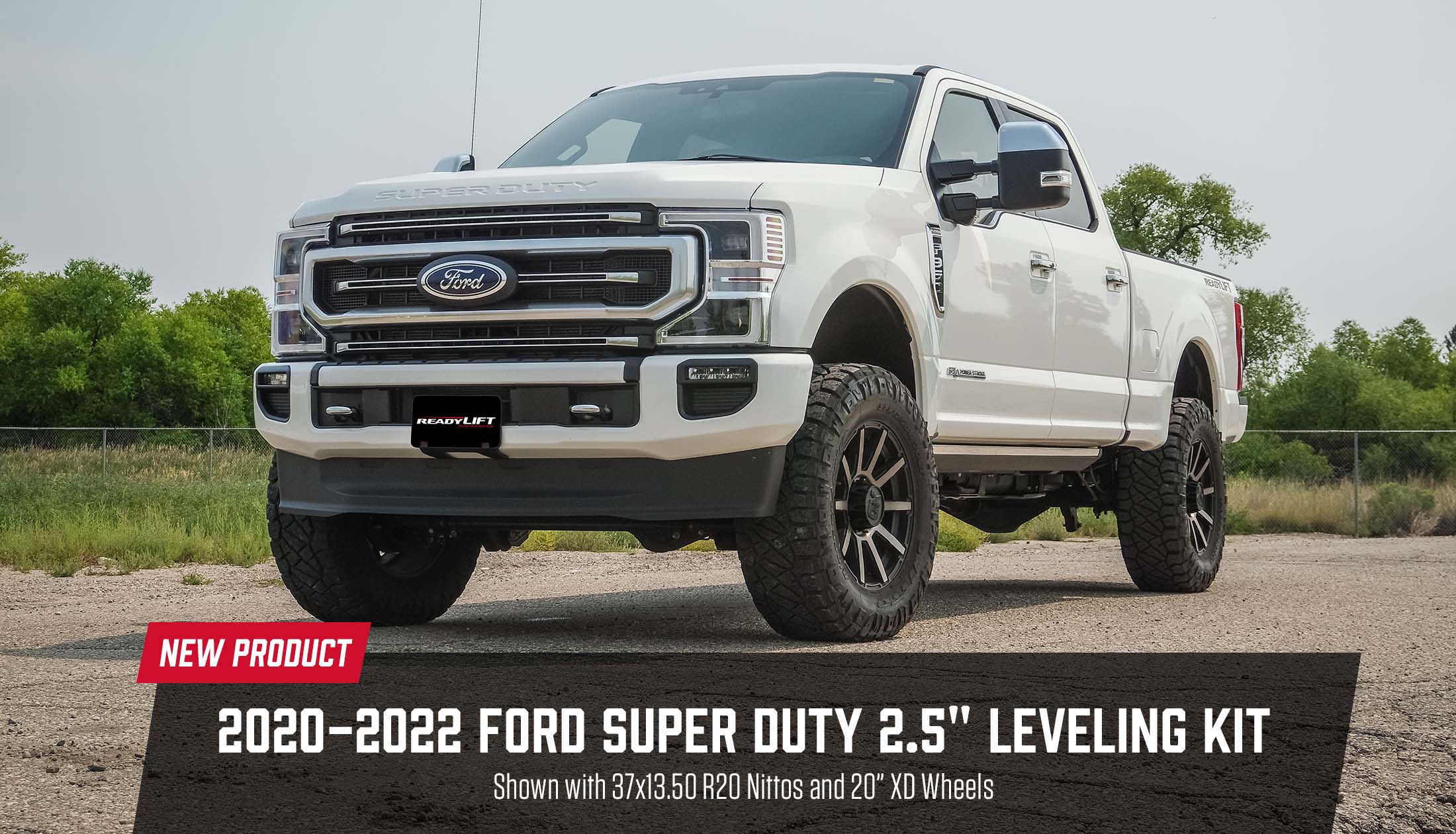
Readylift kits offer an affordable entry point ranging from $500 to $600 with bolt-on installation. They are widely available and 100% reversible, making them attractive for many owners. However, they lack built-in caster correction and may use lower-quality hardware compared to premium options.
Pros and Cons of Popular Kits
Most users report success with Readylift but nearly all recommend adding caster shims and a better steering stabilizer later. Alternative brands like Revtek offer kits with integrated alignment solutions, while Zone Offroad includes upgraded components. Carli Suspension provides a premium option with full geometry correction ideal for serious towing applications.
Pro Tip: If you plan to tow heavy loads or drive off-road frequently, invest in a kit designed for performance rather than just aesthetics.
Common Mistakes to Avoid During Installation

The number one mistake owners make is skipping caster correction after installing a 2.5-inch kit. This oversight invites death wobble and poor handling characteristics that endanger you and others on the road. Always budget for caster shims on older models or adjustable upper control arms on newer models.
Replacing Good Shocks Prematurely
Stock shocks on new F350s are adequate for normal driving conditions and do not need immediate replacement. One user wisely noted that you should wait until stock shocks wear out before throwing away working parts. Aftermarket shocks like Fox or Bilstein improve ride quality but only after the lift is done correctly.
Ignoring Professional Advice
Dealers are not always experts in aftermarket modifications and may provide misleading information. One user was told a leveling kit causes death wobble, which is technically true only if done wrong. Always cross-check advice with forums, specialists, and alignment technicians before proceeding.
Fuel Economy Impact of Leveling Your Truck
Leveling your F350 increases the frontal area of the vehicle, creating more wind resistance at highway speeds. Even a modest 2.5-inch lift can reduce fuel economy by 1 to 2 mpg on the highway. Adding larger tires or a bulky grille guard increases these losses further over time.
Real-World MPG Expectations
Users report achieving 12 to 14 mpg unladen after leveling, down from the stock 14 to 16 mpg range. While not dramatic, these losses add up quickly given current diesel prices. You must weigh the aesthetic benefits against the long-term cost of increased fuel consumption.
Maintenance Tips for Leveled F350s
Inspect front-end components regularly every 6,000 miles after installing a leveling kit. Wear accelerates on ball joints, tie rod ends, drag links, and steering stabilizers due to increased stress. Early detection of worn parts prevents catastrophic failure and maintains safe handling characteristics.
When to Realign Your Suspension
You must realign your truck after installing the leveling kit, mounting new tires, or adding heavy front-end accessories. Any significant off-road use also warrants a checkup to ensure components remain within specification. Use a shop that understands lifted trucks, as general shops often miss critical specs.
Frequently Asked Questions About Ford F350 Leveling Kits
Does a leveling kit cause death wobble on an F350?
A leveling kit can cause death wobble if you do not adjust the caster angle correctly. The lift changes suspension geometry, and without proper shims or control arms, the steering becomes unstable.
Will leveling my F350 reduce my towing capacity?
No, a leveling kit does not reduce your truck’s towing capacity or GVWR ratings. However, it can negatively affect ride quality and stability if you do not balance the suspension properly.
Do I need new shocks when installing a level kit?
You do not need new shocks immediately unless your stock ones are worn out. Many owners wait for stock shocks to fail before upgrading to aftermarket options like Fox or Bilstein.
How much does a leveling kit affect fuel economy?
Expect a slight drop of 1 to 2 mpg on the highway due to increased wind resistance. Larger tires and front accessories will increase this fuel penalty further.
Can I tow a fifth wheel with a leveled truck?
Yes, but you may need rear air helper springs to prevent the rear from sagging under heavy loads. Without them, your truck may sit nose-high when unloaded and tail-high when towing.
Key Takeaways for Fixing Ford F350 Leveling Kit Problems
Installing a leveling kit on your Ford F350 requires careful planning to avoid serious issues like death wobble and alignment failures. You must address caster angles immediately using shims or adjustable control arms to ensure safe steering dynamics. Proper maintenance and potential rear air spring upgrades will keep your truck stable whether towing or driving empty.
Always prioritize function over form if you regularly tow heavy trailers or carry significant loads. Make informed choices about components and professional installation to protect your investment and ensure safety on the road.


