
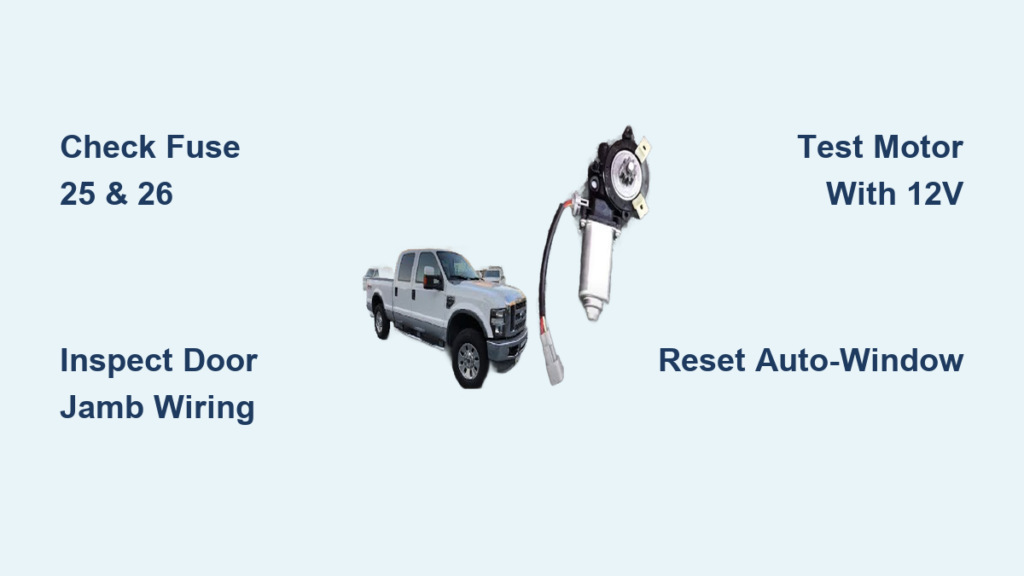
You press the switch and nothing happens. Maybe it’s one window, maybe it’s all of them, but your Ford F-250’s power windows have stopped cooperating. Before you assume the worst or head to a mechanic, know this: most power window problems trace back to simple, affordable causes. Statistics show that 36% of failures are electrical (fuses, wiring), while only 20% involve the motor itself. The key is knowing where to look first.
This guide gives you a structured approach to Ford F250 power window troubleshooting, from quick fuse checks to advanced module programming. You’ll learn how to identify the problem’s scope, test components systematically, and avoid wasting money on unnecessary parts.
Start with Fuse 25 and 26 in the Interior Fuse Box
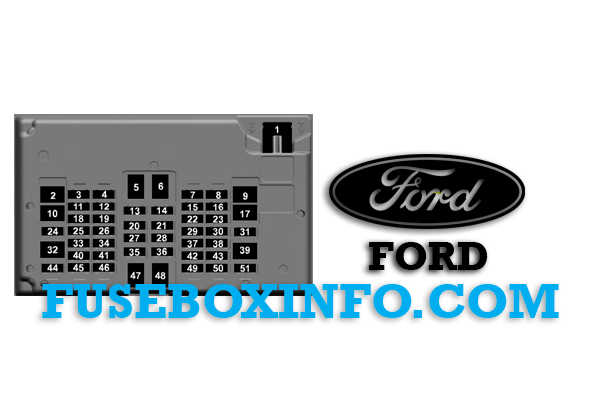
Locate the Correct Fuse Box Position
Begin every diagnostic session at the interior fuse box beneath the driver’s side dashboard. On 2019 F-250 XL models and many other years, Fuse 25 and Fuse 26 (both rated at 30 amps) control the entire power window system. Open the fuse box cover; most include a built-in puller tool for safe removal.
Inspect and Test Fuses Methodically
Hold each fuse up to daylight or shine a flashlight through it. A blown fuse shows a broken or melted filament inside the transparent housing. Even if the fuse looks intact, swap it with a known-good 30A fuse to rule out subtle failures. If the replacement blows immediately, you have a short circuit in the wiring or motor that requires further tracing.
Pro Tip: When multiple windows fail simultaneously, always check fuses before removing door panels. It’s the fastest, cheapest fix available.
Test Relays and Ignition Power Supply
Find the Window Relay Location
Newer F-250s use door modules instead of traditional relays, but 2000–2003 models often rely on a relay for window and radio circuits. Check under the steering column or inside the interior fuse box. Swap the suspect relay with a known-good one (like the horn relay) to test functionality quickly.
Verify Ignition-Dependent Power
If your windows work only with the key in the “Run” position but fail when the engine is off, suspect the ignition switch or accessory power circuit. Use a multimeter to confirm 12V at the window switch connector with the ignition on. No voltage? Trace the feed back to the ignition switch or check for a failing accessory circuit.
Inspect the Driver Door Wiring Harness

Expose the Rubber Boot in the Door Jamb
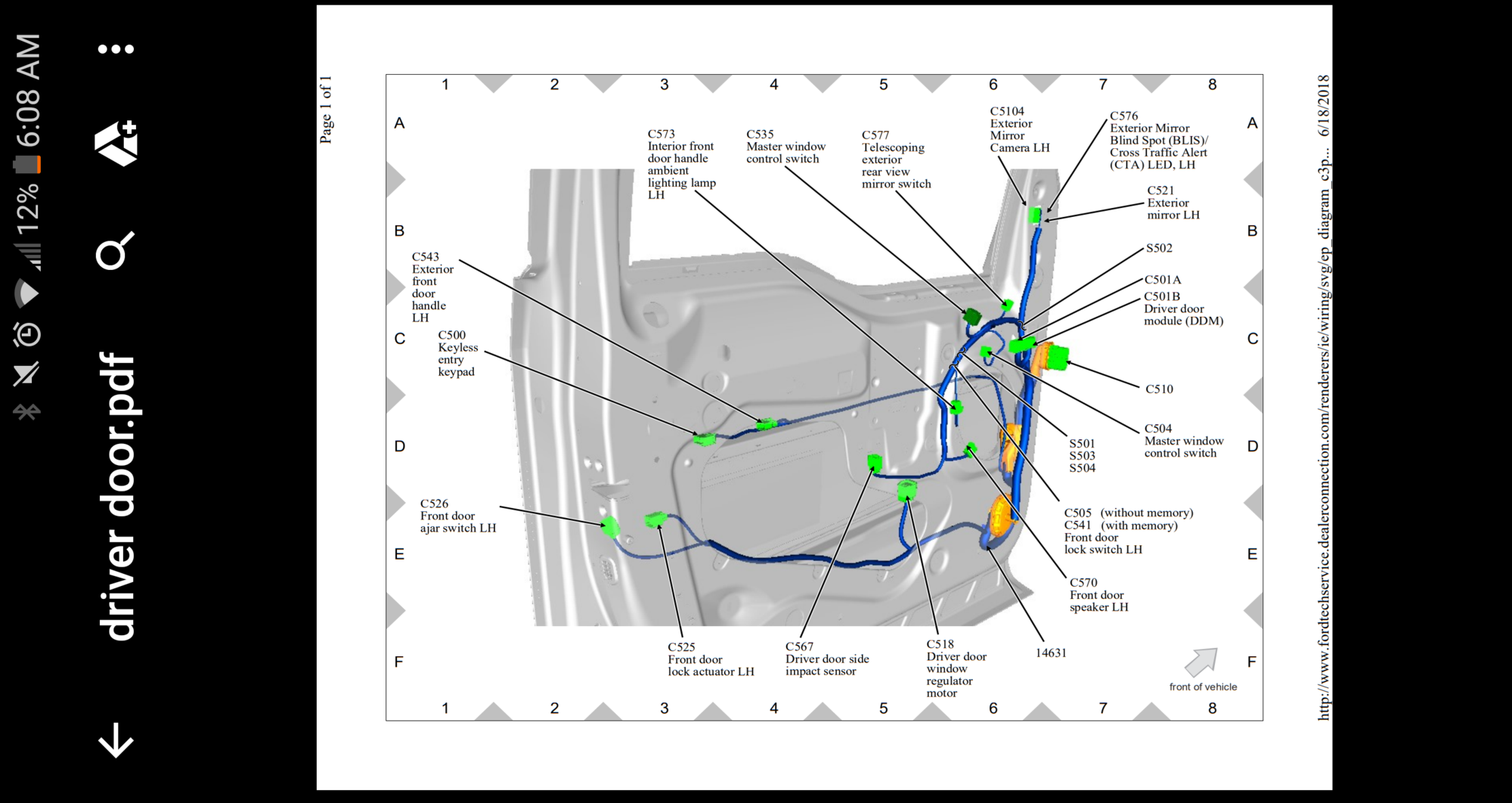
One of the most documented failure points, especially on 2000–2005 F-250s and Excursions, is the wiring inside the rubber boot between the door and frame. Constant door movement fatigues these wires over time. Peel back the boot carefully and look for frayed, corroded, or completely severed conductors.
Real-World Evidence: A 2000 Excursion lost all passenger window function because of two broken wires hidden inside this exact boot.
Repair Damaged Wires the Right Way
If you find broken wires, follow these steps:
- Cut out the damaged section completely.
- Splice in new wire of the same gauge (16–18 AWG recommended).
- Use heat-shrink connectors instead of electrical tape.
- Secure the wires to prevent future stress points.
Test continuity with a multimeter before reassembling the boot. This repair often restores full function without touching the motor or switches.
Bypass the Motor to Confirm Its Health
Apply Direct 12V Power Safely
To isolate whether the motor itself is faulty, disconnect it from the vehicle harness and connect it directly to a 12V battery using jumper wires. Touch one lead to each terminal; reverse polarity to change direction.
- Motor runs smoothly in both directions? The motor is good. The problem is upstream (switch, wiring, or module).
- Motor hums but won’t move? You likely have a mechanical bind or failed regulator.
- No movement or weak spin? Replace the motor.
Warning: Never hold the connection longer than 3–5 seconds to avoid overheating the motor.
Listen for Motor Noise at the Door
When pressing the switch, place your ear near the door panel. A faint hum indicates power is reaching the motor, which points to a mechanical issue like a stuck regulator or misaligned track. Complete silence suggests no power delivery, meaning you should focus on fuses, switches, or wiring instead.
Diagnose Switch Failures with Logic
Compare Driver Master Switch vs. Door Switch
Use this simple logic to isolate switch problems:
- If the driver’s master switch can’t control a window but the individual door switch works, the master switch is faulty.
- If the door switch fails but the master switch operates that window normally, replace the local switch.
Check for Water Damage and Corrosion
Inspect switches for moisture intrusion, especially if washer fluid tends to leak down into the door. Remove the door trim to examine the contacts underneath. Dirt, corrosion, or worn contacts can interrupt the circuit. Clean with electrical contact cleaner and a soft brush. Replace the switch if you see visible internal damage.
Expert Note: Switches are relatively inexpensive. If your testing is inconclusive, replacing the suspect switch is often faster than deep electrical diagnostics.
Replace a Failed Window Regulator
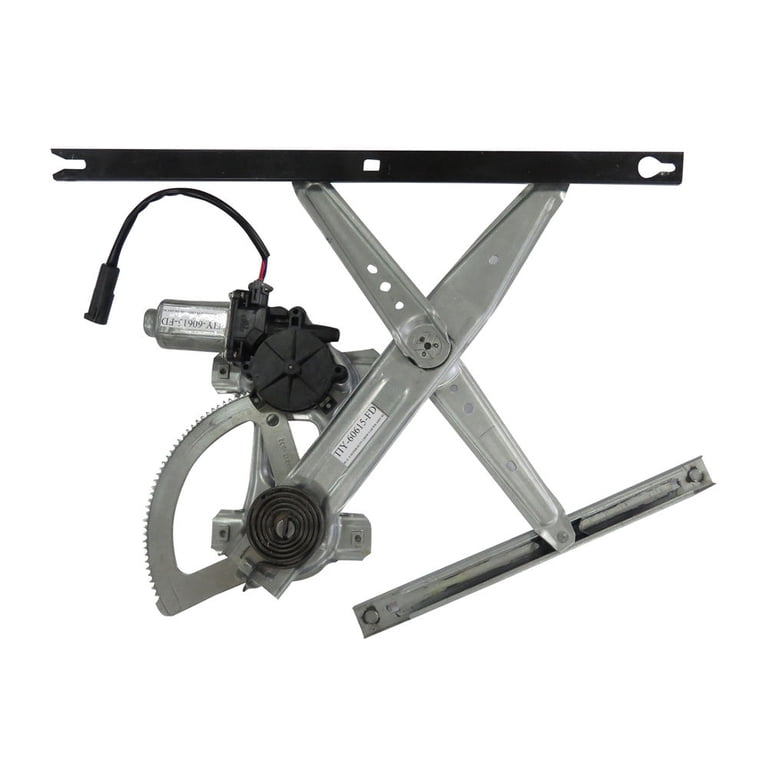
Recognize the Warning Signs
The window regulator is the mechanical arm or cable system that physically lifts the glass. Watch for these failure indicators:
- Clicking or grinding noise during operation
- Window drops into the door unexpectedly
- Sticking or jerky movement up and down
- Glass tilts when opening or closing
Even with a perfectly good motor, a broken regulator won’t move the glass.
Confirm Before Ordering Parts
Remove the door panel and watch the mechanism while someone operates the switch. If the motor turns but the glass doesn’t move, or if cables are visibly frayed or detached, the regulator needs replacement. Most modern regulators come as a complete assembly with the motor included.
Time Estimate: Allow 1.5–2.5 hours per door. Moderate difficulty for most DIYers.
Address Door Module Programming on 2019+ Models
Know When Programming Is Required
On 2019 and newer F-250 models, the door module (or GEM) controls window and mirror functions electronically. Simply replacing a switch or module won’t guarantee full operation. One documented case showed a 2019 F-250 where the driver’s switch only controlled rear windows, ignoring the front windows entirely, despite correct wiring and power supply.
Verify Hardware Before Assuming Programming Issues
Before concluding you need module programming, confirm these basics:
- Fuse 25 and 26 are intact and properly seated.
- 12V power reaches the switch connector.
- The motor runs when bypassed with direct power.
- Wiring continuity is good throughout the door jamb.
If all hardware passes but function remains incomplete (like front windows being unresponsive), the door module likely needs professional programming.
Get the Module Recalibrated by a Professional
Take your truck to a Ford dealer or a technician with factory-level diagnostic tools (such as IDS or J2534). The module must be:
- Calibrated to your specific VIN
- Programmed for your vehicle’s options (power mirrors, auto-up/down, etc.)
- Taught the window’s full travel range
Cost-Saving Tip: Avoid aftermarket “plug-and-play” modules unless the seller confirms they’re pre-programmed. Many still require dealer initialization.
Reset Auto-Window Function After Battery Work
Perform the Manual Recalibration Procedure
After replacing your battery or experiencing a power loss, the auto-up/auto-down feature may stop working. Reset it with this sequence:
- Lower the window fully.
- Hold the switch down for 3–5 seconds.
- Raise the window fully.
- Hold the switch up for 3–5 seconds.
This recalibrates the limit switches inside the motor or module. Repeat the process for each affected window. The procedure works on most F-250s from 2000–2019.
Free Up Sticking Rear and Cargo Windows
Break the Friction Seal Safely
Rear and cargo windows on crew cabs and Excursions often stick due to tight weatherstripping seals. If the window refuses to open:
- Have an assistant press and hold the switch.
- Gently twist the glass using channel locks with padded jaws to break the seal.
- Once it moves, operate it normally through a few cycles.
Avoid forcing the motor; this can burn it out quickly.
Lubricate Tracks to Prevent Recurrence
Spray silicone lubricant (never WD-40) on the rubber channels and metal tracks every six months. This reduces friction and prevents future sticking.
Pro Habit: Release the switch just before the window fully closes. This avoids over-compressing the seal and reduces strain on the motor.
Follow a Logical Troubleshooting Sequence
Diagnose Before You Replace Anything
Randomly swapping parts is the most expensive mistake you can make. Use this proven sequence:
- Define the scope: One window or all of them?
- Check fuses: Fuse 25 and 26 (30A).
- Test switches: Compare driver master vs. individual door switches.
- Inspect wiring: Focus on the door jamb rubber boot.
- Bypass the motor: Confirm with direct 12V power.
- Verify the module: Especially on 2019+ models.
Key Fact: 36% of power window failures are electrical (fuse or wiring), not motor or regulator related.
Know When Professional Help Makes Sense
Intermittent issues and programming needs require specialized tools. If you’ve checked fuses, switches, and wiring but the windows still won’t cooperate, consult a technician. Diagnostic labor typically runs $122–$179, far cheaper than replacing a $200 motor you didn’t actually need.
Frequently Asked Questions About Ford F250 Power Window Troubleshooting
Where Are the Power Window Fuses on a 2019 Ford F-250?
The power window fuses are located in the interior fuse box under the driver’s side dashboard. Specifically, Fuse 25 and Fuse 26, both rated at 30 amps, control the power window system on most 2019 F-250 XL models.
Why Do All My Ford F-250 Windows Stop Working at Once?
When all windows fail simultaneously, the most common cause is a blown fuse (Fuse 25 or 26), a faulty relay, or a wiring issue in the driver’s side door jamb. Start by checking the fuses, as this is the simplest and most affordable fix.
How Do I Know If My Window Motor or Regulator Is Bad?
Bypass the switch by applying 12V directly to the motor terminals. If the motor runs smoothly, the problem is in the switch, wiring, or module. If it doesn’t move or moves weakly, the motor is faulty. Clicking, grinding, or a window that drops into the door indicates a failed regulator.
Can a Door Module Need Programming After Replacement?
Yes. On 2019 and newer F-250 models, replacing a door module or master switch often requires professional programming with factory diagnostic tools. Without programming, the module may not recognize all window and mirror functions, even if power and wiring are correct.
How Do I Reset the Auto-Up/Down Window Feature?
Lower the window fully and hold the switch down for 3–5 seconds. Then raise it fully and hold the switch up for 3–5 seconds. This recalibrates the limit switches and restores auto-function after a battery replacement or power loss.
Why Do Rear Windows Stick on My F-250 Crew Cab?
Rear and cargo windows often stick due to tight weatherstripping seals. Have an assistant press the switch while you gently twist the glass with padded channel locks to break the seal. Regular silicone lubrication of the tracks prevents recurrence.
Key Takeaways for Solving Ford F250 Power Window Problems
Most Ford F250 power window issues come down to three main culprits: blown fuses, broken wires in the door jamb, or unprogrammed door modules. By following a structured diagnostic sequence, you can identify the root cause quickly and avoid unnecessary repair bills.
Start with the simplest checks (fuses and switches) before moving to mechanical components (motors and regulators). On 2019+ models, always verify hardware before assuming you need module programming. Regular maintenance, like lubricating window tracks and checking fuses, prevents many common failures.
Your next step: Determine whether your issue affects one window or all of them, then begin with the fuse inspection. This single five-minute check solves more power window problems than any other diagnostic step.


