

If your 1995 F150 cruise control not working, you’re dealing with one of the most common electrical problems on these classic trucks. The good news? The fix is usually simple and inexpensive. Most owners spend under $50 and less than an hour to get their cruise working again. This guide walks you through every diagnostic step, from checking the easiest culprits to testing the more complex components. You’ll learn exactly what to test, how to test it, and what parts you actually need to replace.
Check Fuse 13 First
Before pulling apart your steering column or crawling under the dash, rule out the simplest cause: a blown fuse.
Locate and Test Fuse 13
Fuse 13 powers the cruise control system on your 1995 F-150, along with the horn and brake lights. Here’s how to test it:
• Locate the under-dash fuse panel on the driver’s side
• Find the 15-amp Fuse 13
• Turn the ignition to “ON”
• Use a test light or multimeter to check power on both sides of the fuse
If you have power on one side but not the other, the fuse is blown. If there’s no power on either side, you may have a circuit issue or dead battery.
Cross-Check Related Systems
Test these systems to narrow down where the problem lies:
• Brake lights working? Power is reaching the master cylinder area
• Horn working? Clock spring and fuse circuit are likely intact
• Neither working? Check the battery and main power distribution
🔧 Pro Tip: Adams27 recommends checking power directly at the cruise control motor under the hood. Follow the throttle cable to the servo and test for voltage there. This confirms whether power is making it to the engine bay at all.
Diagnose Brake Pressure Switch Failure
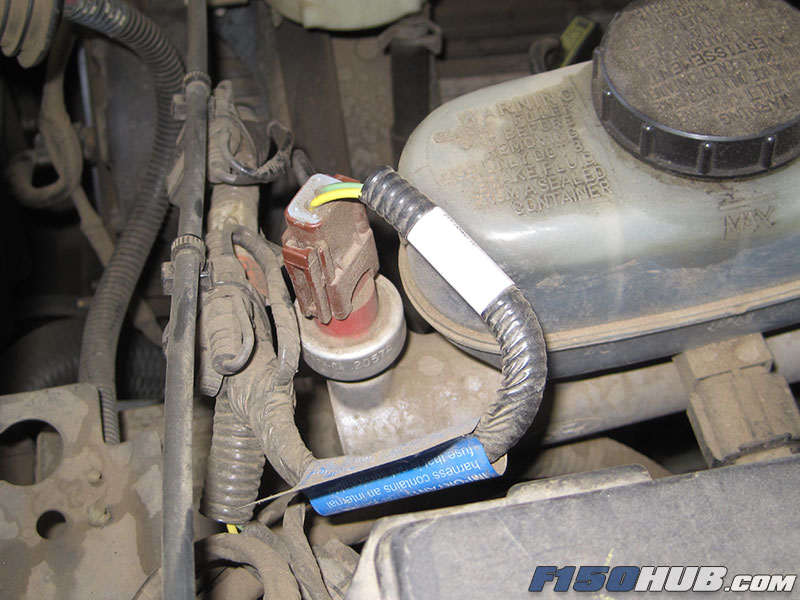
The brake pressure switch on your 1995 F-150 is the single most common cause of cruise control failure. Located on top of the brake master cylinder, this switch tells your truck when you’re pressing the brakes. If it fails, your truck thinks you’re always braking, which disables the cruise system.
Locate the Brake Pressure Switch
Find the switch mounted on the front or top of the brake master cylinder, near the firewall. It has a two-wire connector, often black or gray. The switch is normally closed, meaning the circuit stays complete when you’re not pressing the brakes.
Perform the Jumper Test
This quick test confirms whether the brake pressure switch is the problem:
- Disconnect the electrical connector from the switch
- Bridge the two terminals using a paperclip or jumper wire
- Start your truck and test drive at 40 mph or faster
- Try to engage cruise control
If cruise works after jumpering the switch, your brake pressure switch is bad and needs replacement.
⚠️ Critical Safety Note: If your truck does not have the recall fuse harness installed, leave the connector disconnected after testing. A failed brake pressure switch can leak brake fluid into the electrical system and cause a fire, even when the truck is turned off and parked.
Verify Recall Harness Installation
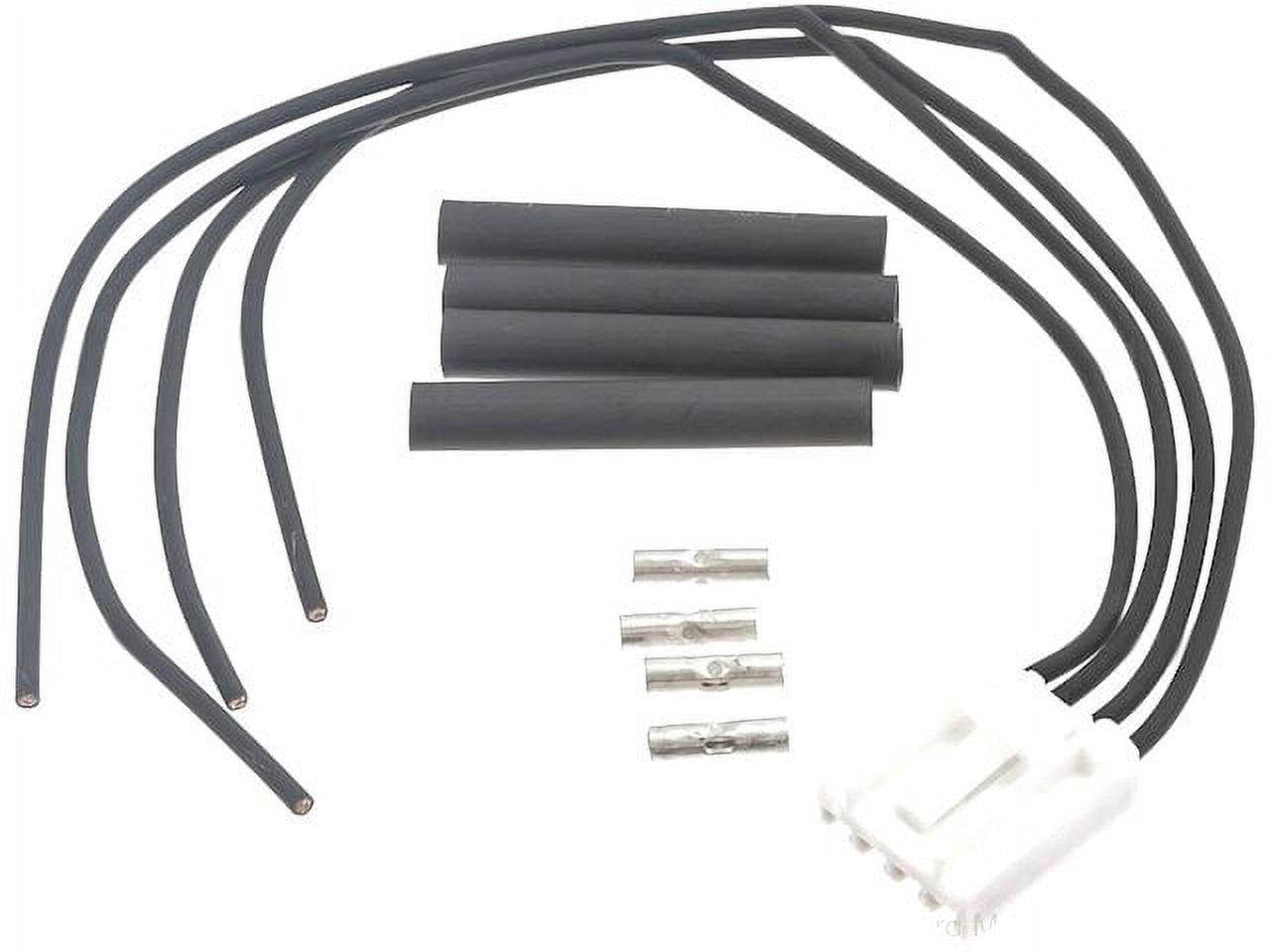
Your 1995 F-150 may be subject to NHTSA Recall 05S18, a critical safety campaign affecting over 1 million Ford F-Series trucks from 1992 to 1996. This recall addresses a fire hazard in the brake pressure switch system.
Why This Recall Matters
The original brake pressure switch design has no internal fuse. If the internal diaphragm ruptures, brake fluid contacts live electrical terminals. This can create a short circuit hot enough to ignite brake fluid and cause a fire, even with the vehicle turned off.
Check Your Recall Status
- Visit NHTSA.gov/recalls
- Enter your 1995 F-150 VIN
- Look for Recall 05S18 or Ford Recall 05S18
Inspect for the Fuse Harness
Look near the master cylinder for a dual-inline fuse harness with two fuses, typically 7.5A or 10A. If this harness is missing and your recall has not been completed, contact a Ford dealer. The repair kit is often free.
🛑 User Warning: Nicholas Steller notes, “No way I know of to bypass it safely. I just took my truck to the dealer.” Larry Skellion confirms you must check both fuses in the harness. One blown fuse kills the entire circuit.
Test Cruise Control Steering Wheel Switches
If the fuse and brake pressure switch check out, your problem may be in the steering wheel controls. The cruise control switches wear out over time and can stop responding to button presses.
Access the Switches
The switches are part number 9C888, mounted in the steering wheel pad or beside the horn button. They’re secured with three screws, likely T20 Torx or 7mm hex. Before accessing them:
- Disconnect the battery and wait one minute
- Remove the airbag module (four 10mm bolts)
- Access the switch connector behind the pad
Test Switch Continuity
Use a digital volt meter set to continuity or ohms mode. Press each cruise control button (“Set,” “Resume,” “On/Off”) and check for circuit closure. No response indicates sticking or failed switches. Intermittent contact suggests internal wear or corrosion.
💡 Sourcing Tip: OEM switches cost $30 to $60 and are available from RockAuto, LMC Truck, or salvage yards. International buyers may face shipping delays.
Inspect Clock Spring Function
The clock spring is a spiral cable that maintains electrical contact between your steering wheel and the column as you turn. When it fails, multiple steering wheel functions stop working.
Signs of Clock Spring Failure
Watch for these symptoms:
• Cruise control intermittent or completely dead
• Horn not working
• Airbag light on or flashing
• Crackling noise when turning the wheel
Test for Continuity
Disconnect the battery, remove the airbag, and use a multimeter to test between clock spring terminals and switch connectors. Slowly rotate the steering wheel while monitoring resistance. Fluctuating resistance or an open circuit means the clock spring is failed.
💬 Larry Skellion warns: “Don’t throw $100 at something that isn’t bad. Test first.” Clock springs cost $80 to $150 and are straightforward to replace, but only replace if testing confirms failure.
Check Clutch Position Switch (Manual Transmission)
If you drive a manual transmission 1995 F-150, the clutch position switch is a common oversight that prevents cruise engagement.
Locate and Test the Switch
The switch mounts on the clutch pedal arm. Its purpose is to prevent cruise engagement unless the clutch is fully released. The wiring uses a light green wire connected to a tan or light blue wire at the switch connector.
Diagnose and Bypass Temporarily
- Inspect the switch for damage or disconnection
- Disconnect the switch and splice the light green wire to the tan/light blue wire
- Try to engage cruise
If cruise works after splicing, replace the switch.
⚠️ Warning: Bypassing removes a safety feature. You must manually disengage cruise before pressing the clutch, or you risk engine overspeed and loss of control.
Examine Cruise Control Servo
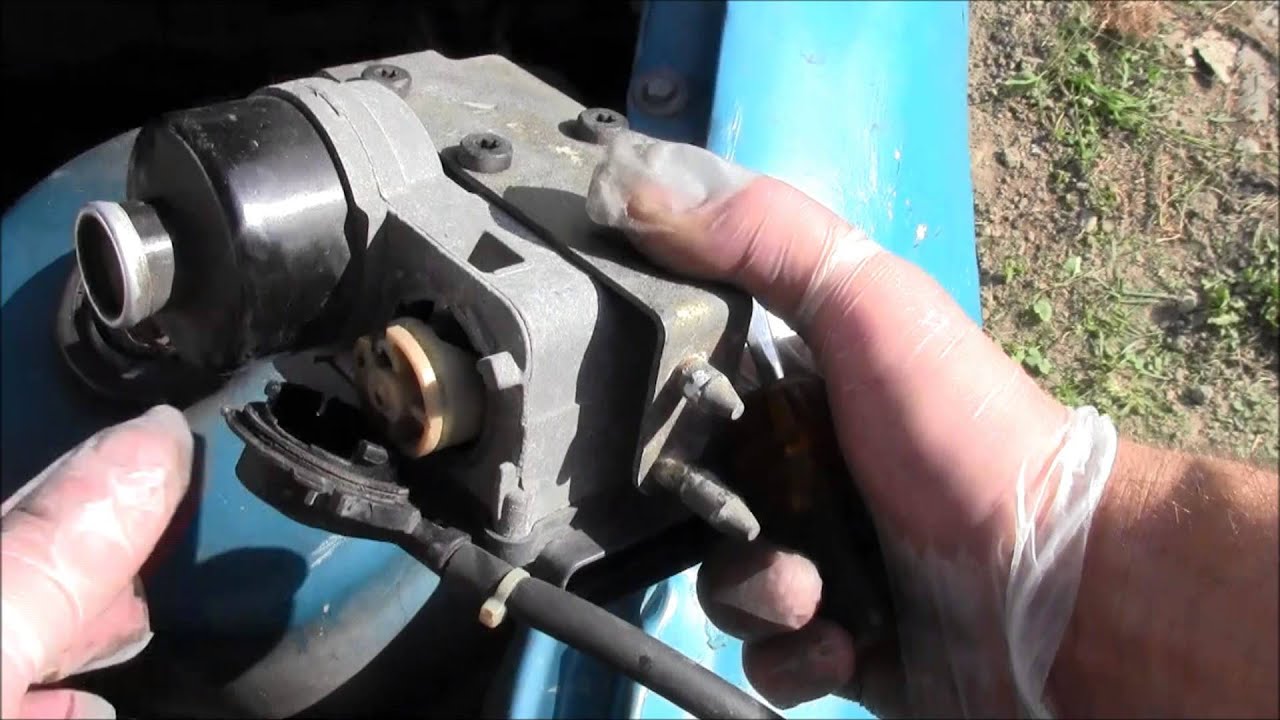
The cruise control servo (speed control motor) is mounted on the firewall or inner fender and connects to the throttle linkage.
Listen for the Click
Press “Set” while driving and listen for a click from the engine bay. A click means the signal is reaching the servo. No click means the problem is upstream in the switches, wiring, or module.
Inspect Vacuum Lines
Many 1995 F-150s use vacuum-operated servos. Check all vacuum hoses for cracks, disconnections, or leaks. Test the diaphragm for tears. A soft or collapsed diaphragm indicates the servo needs replacement.
Direct Power Test
Apply 12V directly to the servo terminals. It should actuate. No movement means the servo is dead, though this is rare compared to other causes.
📌 User Experience: One owner replaced the servo with no improvement, only to discover the real issue was a cut light green wire and a bypassed clutch switch.
Inspect Wiring and Connectors
Many cruise control problems stem from damaged, spliced, or corroded wires. Always inspect wiring during troubleshooting.
Focus on the Light Green Wire
The light green wire runs near the ABS module and cruise servo. One owner found it cut and taped off, which disabled cruise completely. Always inspect this wire. Repair any cuts using solder and heat shrink tubing, never tape.
General Wiring Inspection
Check for these common issues:
• Disconnected brake pressure switch or clutch switch connectors
• Poor splices covered in electrical tape
• Chafed insulation near firewall pass-throughs
• Corrosion in steering column harness
🔧 Repair Standard: Use solder and heat shrink tubing for all permanent repairs. Never rely on crimp connectors or tape alone.
Test Speed Control Module
The speed control module processes inputs from your switches, speed sensor, and brake system, then sends signals to the servo.
When to Suspect Module Failure
Suspect module failure only when:
• Power is present at the module
• All inputs are confirmed good (switches, brake pressure switch, clutch switch)
• No output reaches the servo
• No relay click when buttons are pressed
Final Diagnostic Step
Replace the speed control module only after ruling out all other components. Module failure is very low. Most “bad modules” are actually wiring or switch issues in disguise.
Frequently Asked Questions About 95 F150 Cruise Control Not Working
Why won’t my 1995 F-150 cruise control engage?
The most common cause is a failed brake pressure switch on the master cylinder. Test it by disconnecting the connector and jumpering the terminals. If cruise works after jumpering, replace the switch and install the recall fuse harness.
Is there a safety recall for the 1995 F-150 cruise control?
Yes. NHTSA Recall 05S18 affects 1992–1996 Ford F-Series trucks. The recall addresses a fire hazard in the brake pressure switch. Check your VIN at NHTSA.gov/recalls. If the recall wasn’t done, contact a Ford dealer for a free repair kit.
Can I drive without cruise control if the brake switch is bad?
You can, but there’s a fire risk if the switch is leaking brake fluid. If your truck lacks the recall fuse harness, disconnect the brake pressure switch connector until you can replace it. This disables cruise but removes the fire hazard.
How much does it cost to fix cruise control on a 1995 F-150?
Most repairs cost under $50. A brake pressure switch runs $25 to $40. Steering wheel switches cost $30 to $60. The clock spring runs $80 to $150. The recall harness is free from Ford if your truck hasn’t had the repair.
Can I bypass the brake pressure switch to get cruise working?
You can, but it’s not safe. Without the recall fuse harness installed, a failed switch can cause a fire. If you must bypass it temporarily, disconnect the connector and do not drive until proper repairs are made.
Key Takeaways for Fixing Your 95 F150 Cruise Control
The brake pressure switch is the culprit in the majority of 1995 F-150 cruise control failures. Start your troubleshooting there using the jumper test. If that doesn’t fix it, systematically work through the fuse, steering wheel switches, clock spring, clutch switch (manual only), servo, wiring, and finally the module.
Never ignore NHTSA Recall 05S18. The fire risk is real and documented. If your truck doesn’t have the fused recall harness, either complete the recall at a Ford dealer or install your own fused harness before driving.
Always diagnose before replacing parts. Use a test light, multimeter, and jumper wire to confirm what is actually bad. Blind part swapping wastes money and time. With this systematic approach, you can fix your 95 F150 cruise control not working issue safely and permanently.


