If your Ford F-150 door won’t close when temperatures drop, you’re not alone. A widespread issue affects 2015-2021 F-150 models, especially in cold climates, where doors fail to latch properly below 30°F. Owners report the door bouncing back on impact, the interior door ajar warning staying on, and even doors popping open while driving. This isn’t just inconvenient, it’s a safety risk that demands immediate attention.
The core problem involves moisture getting trapped inside the door, where it freezes in sub-zero conditions and immobilizes the latch mechanism, cables, and lock actuator. Despite Ford issuing Technical Service Bulletins and Field Service Actions, many fixes are only temporary. This guide covers why your Ford F-150 door won’t close in cold weather, what Ford has done about it, and the most effective permanent solutions based on real-world owner experiences.
Identify the Cold-Weather Latch Failure
Recognize the Core Symptoms
When your F-150 door won’t close in freezing temperatures, watch for these key indicators. The door bounces back without latching, and you feel no resistance when pulling the interior or exterior handle. The interior door ajar warning remains lit even after closing the door firmly. Power locks may cycle abnormally or refuse to unlock, and you might hear squeaking, grinding, or sticking sounds when operating the latch. The issue typically resolves after warming the truck for 15-30 minutes, which confirms temperature is the root cause.
Confirm It Is Temperature-Related
This problem appears specifically when temperatures fall below 30°F, particularly after rain, snow, or vehicle washing. The issue worsens when the vehicle sits parked outside overnight in freezing conditions. If your door works fine above freezing but fails during cold snaps, moisture freezing inside the door mechanism is almost certainly the culprit.
Diagnose the Root Cause
Trace Moisture Entry Points
Water enters the door cavity through multiple weak points. These include exterior door handle openings where rain and snow enter during driving or washing, lock cylinder seals that degrade over time and allow seepage, and compromised vapor barriers that tear during previous repairs. Road splash from wet conditions and washer fluid overspray during winter detailing also contribute significantly to moisture accumulation inside the door.
Check for Frozen Internal Components
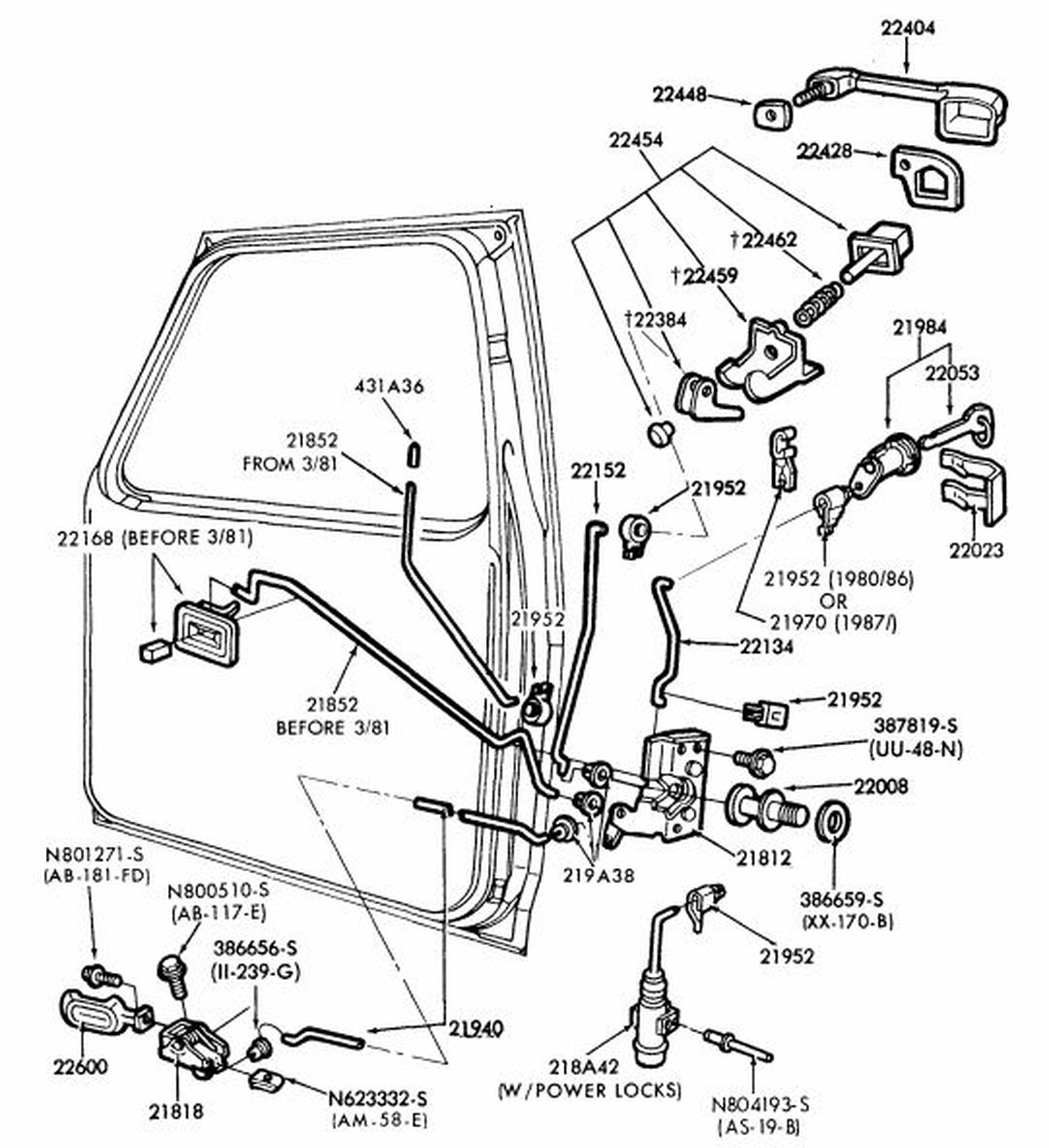
With the door open, inspect the latch mechanism on the door edge to see if it moves freely. Check the cable linkage to confirm it is not stuck or frozen in mid-position. Examine the lock actuator by moving the lock knob up and down to see if it moves smoothly. If any component feels stiff or frozen, ice is binding the system and preventing normal operation.
Perform Immediate Cold-Weather Fixes
Apply Penetrating Lubricant to the Latch
When your door won’t close in cold weather, act quickly using this step-by-step approach. First, spray PB Blaster or WD-40 Specialist Corrosion Inhibitor into the exterior handle opening using a straw nozzle to reach deep into the linkage. Second, work the handle repeatedly to force the lubricant down the cable and into the mechanism. Third, spray directly on the latch assembly, focusing on pivot points and the latch claw. Fourth, apply lubricant to the lock rod and move it up and down to break ice around the actuator.
Pro Tip: Silicone-based sprays work exceptionally well for long-term protection because they do not attract dirt and maintain flexibility through freeze-thaw cycles.
Warm the Door Mechanism Safely
If possible, use remote start to warm the cabin for 15-30 minutes before attempting to close the door. Alternatively, direct a hair dryer or heat gun on low setting at the latch area for 2-3 minutes. Never pour hot water on the latch because it causes thermal shock and can refreeze instantly, creating worse problems.
Manually Cycle the Lock System
Even when power locks fail, manually moving the lock knob up and down 10-15 times breaks ice around the actuator and rod linkage. This technique often restores enough movement to close the door successfully.
Execute Proven Repair Procedures

Follow TSB 16-0155 for 2015-2017 Models
Ford’s first official fix for freezing latches involves removing the interior door panel, drying out the latch and cavity, cleaning all components thoroughly, applying multipurpose grease (D7AZ-19587-A), and reassembling and testing the door. Many owners report this fix fails within one winter because the grease thickens in cold temperatures or moisture re-enters the door cavity.
Apply TSB 18N03 for 2018 and Newer Models
This more thorough approach involves full door disassembly, deep drying of the internal cavity, lubrication of latch, cables, and pivot points, and application of sealant to reduce moisture ingress. This procedure has a higher success rate and may be performed under FSA 18N03, even outside the original warranty period.
Upgrade to a Permanent Latch Fix
Replace with Updated Latch Assembly
For recurring issues that return each winter, replacing the factory latch with an updated version provides the most permanent solution. Updated latches feature higher-tension internal springs, improved cam designs for full cable reset, and stiffer handle return mechanisms that prevent binding in cold weather.
The replacement process requires removing the interior door panel, disconnecting electrical connectors and handle cables, removing 3-4 Torx bolts securing the old latch, installing the new latch and reconnecting all linkages, and testing operation before reassembly. One owner reported reliable closure even at 10°F after completing this replacement.
Optimize Drainage and Prevent Recurrence
Clean and Unclog Weep Holes
Weep holes located at the bottom edge of the door allow water to escape. Use a thin wire, paperclip, or compressed air to clear debris, ice, or corrosion from these 2-4 small holes. Flush with isopropyl alcohol to displace remaining moisture. Perform this maintenance before winter arrives and after heavy rain or snow.
Flip the Door Plug Upside Down
The factory plug inside the door can trap water instead of draining it. Remove the rubber stopper at the bottom of the door, flip it upside down so the tapered end faces outward, and reinsert it. This simple modification converts the plug from a water dam into a drainage spout. One owner reported no recurrence over two harsh winters after this modification.
Reverse the Elbow Vent
Located under the latch, this plastic vent can collect water and contribute to freezing problems. Remove the vent carefully, avoiding pressure on the plastic grid which cracks easily, then rotate it 180° so the opening faces upward. This improves airflow and reduces water entry into the door cavity.
Use the Right Lubricants Year-Round
Choose Cold-Weather-Proof Products
Selecting the correct lubricant dramatically affects long-term success. PB Blaster provides excellent penetration and creates a long-lasting protective film on latch and cables. WD-40 Specialist Corrosion Inhibitor offers proven performance in PNW winters and resists washout. Silicone spray works well for seals and pivot points because it will not gum up and handles freeze-thaw cycles effectively. White lithium grease suits hinges and heavy-duty joints but may attract dirt if over-applied. Vaseline applied sparingly to rubber door seals prevents drying and seals small gaps. Graphite powder works excellently for lock cylinders as a dry lubricant that will not freeze.
Avoid standard WD-40 because it evaporates quickly and provides no lasting protection against moisture or freezing.
Apply Lubrication Seasonally
Before winter arrives, clean and dry the latch area thoroughly, spray PB Blaster or silicone into the handle and latch mechanism, and apply Vaseline to rubber seals. During winter months, reapply lubricant if stiffness returns and check weep holes for blockages after every significant snowfall or rain event.
Leverage Ford’s FSAs and Warranty Programs
Request FSA 18N03 for Latch Freezing
This Ford coverage includes inspection, lubrication, and potential latch replacement for 2015-2018 F-150 models. The repair is typically free and may be honored even beyond the factory warranty in many cases. Always request updated latch parts if the original repair failed previously.
Request FSA 20M04 for Lock Actuator Failure
This action addresses frozen or failed power door lock actuators and may include actuator replacement with improved sealing. This coverage is also honored as a goodwill repair outside warranty.
Pro Tip: Bring printed copies of TSB 16-0155 and TSB 18N03 to the service desk. Knowledgeable owners who can reference specific technical documents receive faster results from dealership service departments.
Pursue Reimbursement and Legal Options
Claim Up to $400 for Past Repairs
Under a class-action settlement, Ford offers reimbursement for out-of-pocket repairs related to this issue. Submit receipts and repair records to claim coverage for diagnostics, lubrication, and latch replacement costs. Check the official F-150 settlement website for deadline information because time limits may apply.
Understand Why No Recall Was Issued
Despite widespread reports, Ford issued Field Service Actions rather than safety recalls. FSAs are customer goodwill programs, not mandatory repairs. No full redesign of the latch mechanism has been implemented despite the persistent nature of this problem.
Warning: Multiple owners report doors opening while driving, particularly rear doors on SuperCrew models. Never drive with a door that will not latch securely because this poses serious safety risks.
Frequently Asked Questions About Ford F-150 Door Closing Issues
Why does my Ford F-150 door only fail to close in cold weather?
Moisture enters the door cavity through handle openings, lock seals, and drainage points. When temperatures drop below 30°F, this moisture freezes and immobilizes the latch mechanism, cable linkage, and lock actuator. The door cannot engage the striker pin because ice binds the internal components.
Which F-150 model years are affected by this issue?
The problem most commonly affects 2015-2021 Ford F-150 trucks, particularly those with aluminum body construction introduced in 2015. SuperCrew four-door models experience the issue more frequently, especially rear passenger doors, due to longer cable runs and more complex internal routing.
Does Ford cover this repair under warranty?
Ford’s Technical Service Bulletins (TSB 16-0155 and TSB 18N03) and Field Service Actions (FSA 18N03 and FSA 20M04) may cover repairs even outside the original factory warranty. Coverage varies by dealer and specific circumstances, so always ask about these specific FSAs when visiting the service department.
What is the most permanent fix for Ford F-150 door latch freezing?
Replacing the factory latch with an updated assembly featuring higher-tension springs and improved cam design provides the most permanent solution. This addresses the weak internal spring mechanism that contributes to binding in cold weather. Combined with drainage modifications like flipping the door plug, this fix typically prevents recurrence.
Can I drive my F-150 if the door won’t close properly?
Do not drive with a door that will not latch securely. Multiple owners have reported doors popping open while driving, especially rear doors on SuperCrew models. This poses serious safety risks, particularly with passengers in the back seat. Use child safety locks as a temporary precaution if affected doors cannot be secured.
Key Takeaways for Fixing Your Ford F-150 Door in Cold Weather
The Ford F-150 door won’t close in cold weather issue stems from moisture freezing inside the door cavity and binding the latch mechanism. This design-related flaw affects 2015-2021 aluminum-bodied models, particularly SuperCrew rear doors. While Ford offers temporary fixes through TSBs and FSAs, the most reliable solutions combine proactive maintenance with permanent modifications.
Start with immediate fixes like applying PB Blaster or silicone lubricant to break ice and restore function. For long-term resolution, clean weep holes annually, flip the door plug to improve drainage, and consider latch replacement with an updated assembly if problems recur seasonally. Document all repair attempts and pursue FSA coverage and reimbursement options to offset out-of-pocket costs.
Your safety depends on having doors that latch securely. Address this issue before winter arrives, and do not accept temporary fixes as permanent solutions when more effective options exist.