

You’re in reverse, foot off the brake, and nothing happens. The engine revs, but your truck won’t budge. Forward gears work perfectly fine. No warning signs, no slipping, just sudden silence where there should be movement. This is the dreaded 2005 Ford F150 transmission no reverse problem, a well-documented failure affecting thousands of trucks, especially those with the 5.4L V8 and 4R75E automatic transmission.
The root cause isn’t always catastrophic. Sometimes it’s a simple $30 seal, a $100 sun shell, or even a misadjusted shift cable. But ignoring the problem can turn a minor fix into a $3,000 rebuild. This guide walks you through every possible cause, how to test for each one, and the most cost-effective solutions whether you’re doing it yourself or heading to a shop.
Confirm No Reverse With Basic Checks
Before pulling the transmission apart, rule out simple, low-cost issues that can mimic internal failure.
Check Fluid Level and Condition
Many 2005 F-150s lack a traditional dipstick. Instead, fluid level is checked via a side plug on the transmission. Remove it while the engine runs and warms up. If fluid drips out, the level is adequate. If nothing comes out, the transmission is low on fluid.
Use only Mercon V, Mercon SP, or Mercon LV. Never mix fluid types. Fresh fluid should be cherry red. Dark brown or black fluid with a burnt smell indicates clutch material is degrading. Low fluid equals low hydraulic pressure, which means no reverse engagement.
Inspect for Leaks
Look underneath the truck for signs of fluid seepage. Check the pan gasket, cooler line connections, and front or rear seals. A slow leak can deplete fluid over time, starving the reverse circuit and causing engagement failure.
Test the Shift Cable
If the shifter shows “R” but the transmission doesn’t engage, the shift cable may be stretched, loose, or broken. Have someone move the shifter while you watch the linkage on the transmission. Does it move fully into reverse? If not, the cable needs adjustment or replacement. Try manually moving the linkage into reverse. If the truck backs up, the cable is the culprit.
Decode Electrical and Control System Faults
Even mechanical failures can have electrical triggers. Don’t skip this step when diagnosing no reverse.
Check the TCM Fuse
A blown Transmission Control Module fuse can disable reverse without affecting forward gears. Locate the fuse in the under-hood power distribution box. Common positions are fuse 44 or 45, but check your owner’s manual for confirmation. Replace if blown. Cost is under $2.
Scan for Trouble Codes
Use an OBD2 scanner to pull transmission codes. Look for P0757 or P0758 indicating shift solenoid B performance issues. P0762 or P0763 point to solenoid C problems. P0700 means transmission control system malfunction. A faulty reverse enable solenoid may not open the hydraulic path to reverse even if mechanical parts are intact.
Review Technical Service Bulletins
Enter your VIN into Ford’s official TSB lookup. Some 2005 models had software updates for shift timing and solenoid control. A simple TCM reflash may resolve hesitation or no-engagement issues without any mechanical work.
Diagnose Internal Failures With Air Pressure Test
If fluid, linkage, and electrical checks all pass, the problem is internal. The air pressure test is the gold standard for pinpointing the exact failure.
Perform the Reverse Servo Air Test
Remove the transmission oil pan. Locate the reverse servo port on the valve body. Apply 40 to 60 psi of compressed air. Observe the reverse drum.
If the drum locks solid, the band and drum are functional. If it spins freely, the reverse band is broken or the sun shell weld has failed. This test eliminates guesswork. If the drum doesn’t lock, you’ve confirmed a mechanical failure inside the transmission.
Fix a Broken Reverse Band
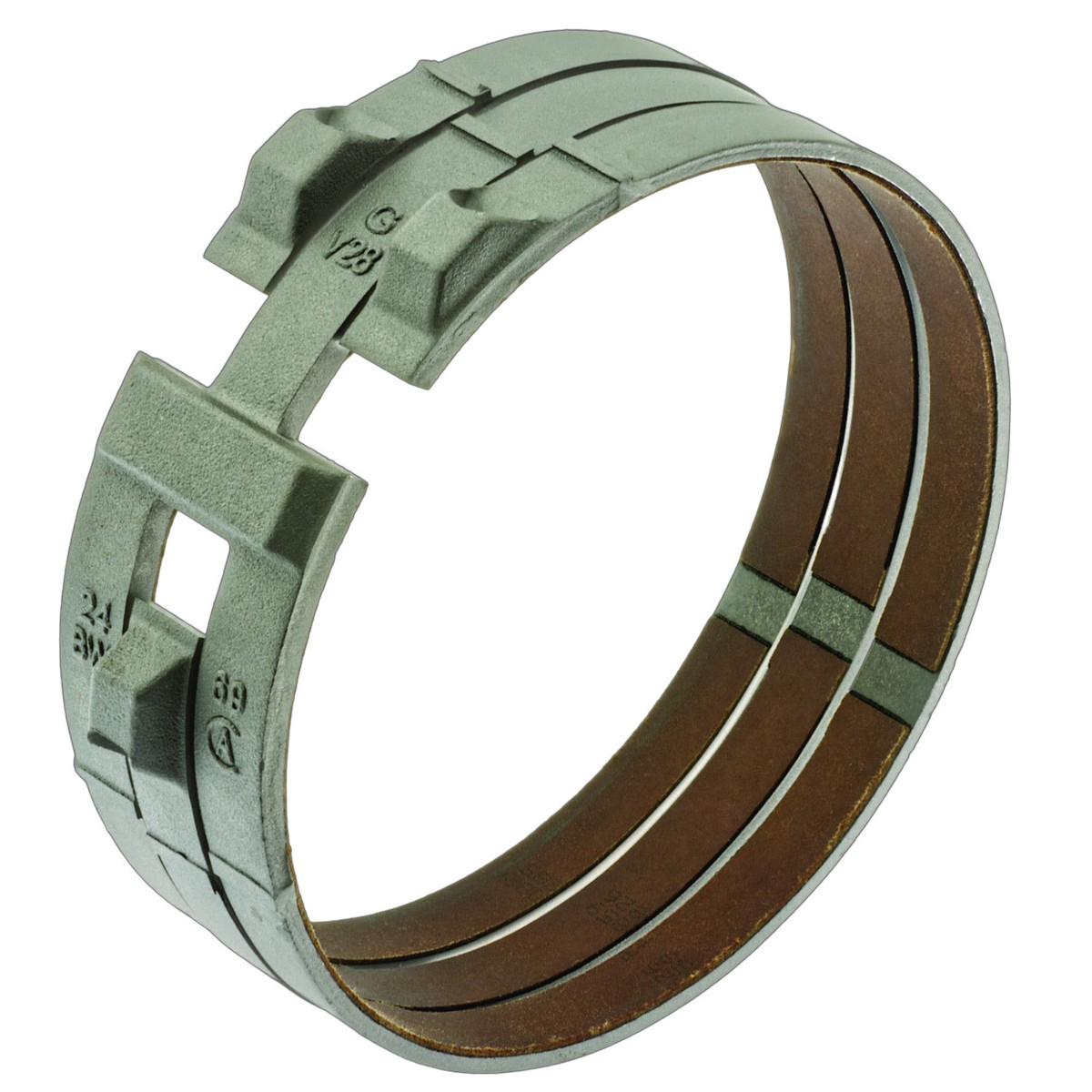
The reverse band is a steel band with friction lining that wraps around the reverse drum. When pressurized, it clamps down to hold the drum stationary, enabling reverse gear.
Symptoms of Failure
Sudden loss of reverse is the primary symptom. The engine revs but the truck doesn’t move. There is typically no prior slipping or hesitation warning.
How to Repair
Remove the transmission, as this is required for access. Disassemble to expose the reverse servo and drum. Inspect the band for cracks, wear, or broken anchor points. Replace with an OEM-spec band costing $60 to $100. Reassemble with new seals and gaskets.
Even if the band looks intact, internal cracks or stretched metal can prevent proper clamping. Replace the servo seal at the same time since both components often fail together.
Replace Failed Sun Shell

The sun shell is a critical weak point in 2005 F-150 transmissions. Its weld connects the reverse drum to the planetary gear set. When it breaks, the gear spins independently with no reverse engagement, even if the band is good.
Why It Fails
Poor factory weld quality is the main culprit. High torque loads, especially with towing, accelerate failure. Age and mileage take their toll, with common failures occurring at 180,000 or more miles.
How to Diagnose
After removing the transmission, inspect the sun shell. Look for cracked welds, stripped splines, or impact marks from drum contact. If the gear spins on the shell freely, it has failed.
How to Fix
Replace with a new OEM sun shell. The part number is 9L3Z-7A019-A, available from Ford dealers for around $100 to $120. Do not attempt to weld it. The repair won’t hold under load. Replace it during any internal transmission work since it’s a known weak point.
Repair Degraded Reverse Servo Seal
The reverse servo piston applies pressure to the reverse band. Its rubber seal hardens over time, especially in trucks used for towing.
Symptoms
Reverse works intermittently or only engages when cold. The engine revs but there’s no movement.
How to Diagnose
Remove the servo assembly. Check the piston seal. It should be pliable. If it’s brittle, cracked, or hard as a rock, it has failed. During removal, a bad seal often shatters instead of peeling off cleanly.
How to Fix
Replace the servo seal kit for $30 to $50. Or install a new servo assembly. Always replace the snap ring, as it can deform and cause piston misalignment.
Address Worn Reverse Clutch Pack
At high mileage, the reverse clutch pack wears out due to heat and fluid degradation.
Symptoms
Slipping in reverse is the main indicator. Delayed engagement is common. It may only work when cold because clutches expand when hot.
How to Diagnose
Disassemble the transmission. Inspect clutch plates for glazing, burning, or warping. Measure clearance. Excessive gap means worn clutches. Dark particles or clutch material in the fluid confirms wear.
How to Fix
Replace the reverse clutch pack. Use a transmission rebuild kit for $200 to $400. This is recommended for trucks over 150,000 miles, even if only one component failed.
Inspect Valve Body and Hydraulic System
The valve body directs fluid to the correct circuits. A clogged or stuck valve can block reverse pressure.
Common Issues
A stuck reverse valve prevents fluid flow. Worn bore seals cause internal leaks. A cracked valve body plate, especially the aluminum cover, is prone to cracking under stress.
How to Diagnose
Remove the valve body. Check for cracks, debris, or worn seals. Blow out all passages with compressed air. Replace if any damage is visible.
How to Fix
Install a new valve body plate for $50 to $80. Use upgraded bore seals. Rebuilders recommend replacing the plate even during minor repairs.
Choose the Right Repair Strategy
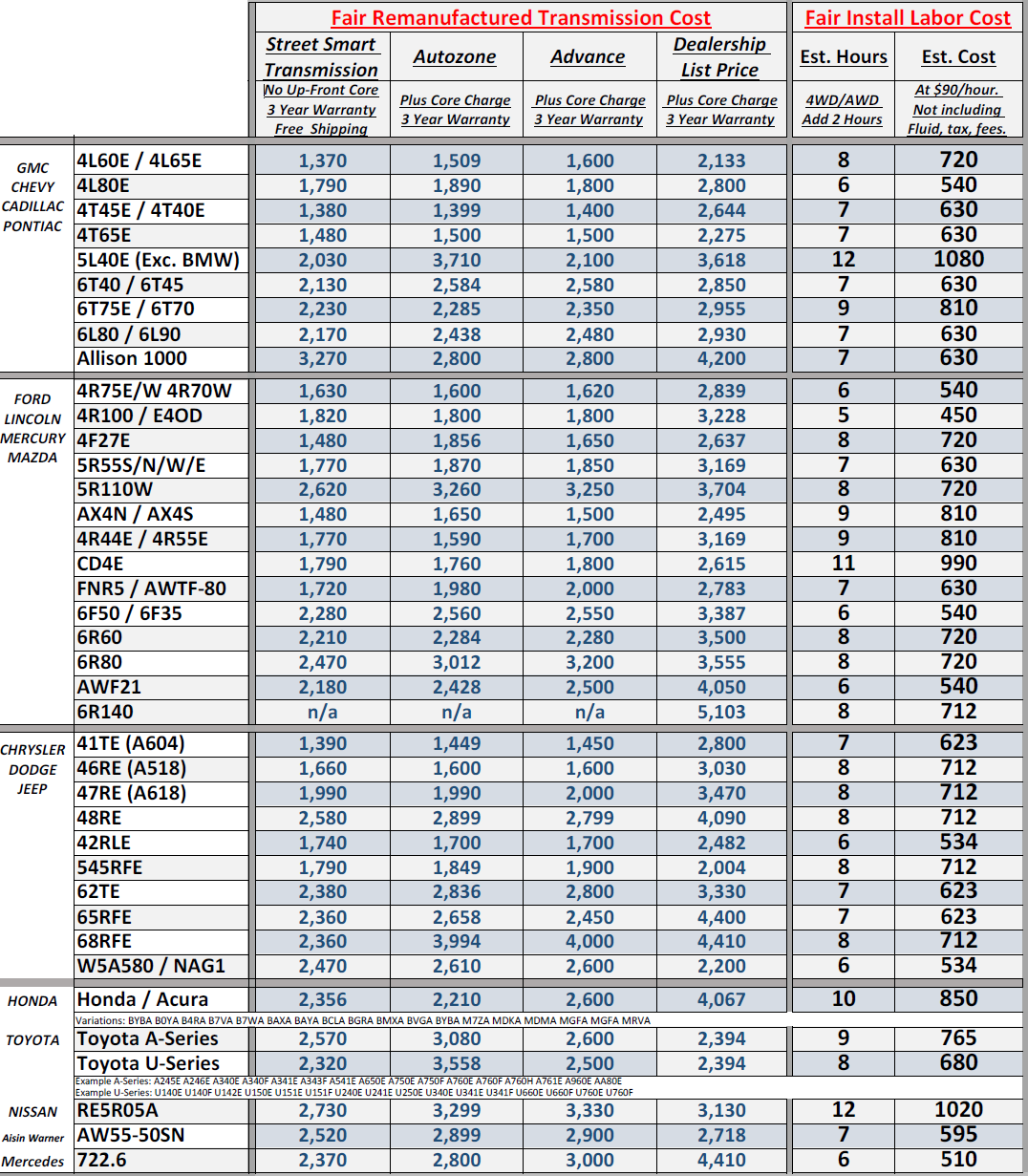
Not every no-reverse issue requires a full rebuild. Your choice depends on mileage, fluid condition, and budget.
Low Mileage Under 100,000 With Clean Fluid
Targeted repair is your best option. Replace the sun shell, band, or servo seal. DIY cost runs about $250. Plan for 2 to 4 days with proper tools. You’ll need jack stands, a torque wrench, bearing separator, and air compressor.
Medium Mileage 100,000 to 150,000 With Minor Debris
Consider a partial rebuild. Replace clutch packs, seals, gaskets, and the sun shell. Shop cost is $700 to $1,400. DIY kit runs $600 to $700.
High Mileage Over 150,000 With Metal Shavings
A full rebuild or reman replacement is more cost-effective. Labor to fix one part nearly equals full rebuild cost. Shop rebuild runs $1,800 to $3,500 with a 1 to 3 year warranty. Reman units cost $1,500 to $3,000 installed.
Prevent Future Failures With Pro Maintenance
Even after repair, your transmission is only as strong as your maintenance habits.
Use the Right Fluid
Always use Mercon V or Mercon LV. Never mix types. Change fluid and filter every 30,000 to 50,000 miles, especially if towing.
Install an Auxiliary Cooler
Towing or hauling increases heat, the number one enemy of transmissions. An auxiliary cooler keeps fluid temperatures down, extending seal and clutch life.
Avoid Heavy Reverse Loads
Backing up steep hills with a trailer puts extreme stress on the reverse band and sun shell. Use forward gear and reposition when possible.
Monitor for Early Signs
Watch for hesitation in reverse, soft engagement, or unusual noises like knocking, popping, or humming. Catch it early and you might avoid a breakdown.
Frequently Asked Questions About 2005 Ford F150 Transmission No Reverse
What causes a 2005 Ford F-150 to lose reverse suddenly?
The most common causes are a broken reverse band, failed sun shell weld, or degraded servo seal. These components experience high stress during reverse operation. The 4R75E transmission in 2005 models has known weaknesses in these areas.
Can I drive my F-150 with no reverse gear?
You can drive temporarily, but it’s not recommended. Continuing to drive risks further damage to internal components. If the failure is mechanical, metal debris can circulate and cause additional damage. Address the problem promptly.
How much does it cost to fix no reverse on a 2005 F-150?
DIY targeted repairs cost approximately $250. Professional rebuilds range from $1,800 to $3,500. Remanufactured transmissions cost $1,500 to $3,000 installed. The exact cost depends on which component failed and your labor approach.
Is the sun shell repairable or does it need replacement?
The sun shell cannot be reliably repaired. Welding won’t hold under the high torque loads these transmissions experience. You must replace it with a new OEM unit, part number 9L3Z-7A019-A.
How do I know if I need a full rebuild or just a part replacement?
Check the fluid condition and mileage. Clean fluid with under 100,000 miles typically means targeted repair is sufficient. Metal shavings and fluid contamination with over 150,000 miles suggests a full rebuild is more cost-effective long-term.
Can a bad shift cable cause no reverse?
Yes. A stretched, loose, or broken shift cable can prevent the transmission from engaging reverse even when everything inside is functional. Test by manually moving the linkage on the transmission while someone shifts the handle.
Key Takeaways for Fixing Your 2005 Ford F150 No Reverse
The 2005 Ford F150 no reverse issue is common but not a death sentence for your truck. Start with simple checks: fluid level, leaks, and shift cable. These low-cost items rule out easy fixes before you tear into the transmission.
When internal failure is confirmed, the air pressure test is your best diagnostic tool. It pinpoints whether the problem is the reverse band, sun shell, or servo seal. Each component is repairable individually, saving thousands compared to an automatic rebuild.
For high-mileage trucks, a full rebuild makes more sense economically. Labor costs for one part nearly equal a complete rebuild, and you’ll get a transmission essentially as good as new with a warranty. Protect your investment with proper fluid, an auxiliary cooler, and avoiding heavy reverse loads.


