

Your 2000 Ford F150 cranks but won’t start. The theft light blinks rapidly on the dashboard. You’ve checked the battery, fuel, and spark, yet the engine refuses to fire. This is a classic symptom of a Passive Anti-Theft System (PATS) malfunction, a known issue in 1999–2003 F-150s. The blinking theft light means the truck’s computer doesn’t recognize your key or has lost communication with the Powertrain Control Module (PCM), cutting off fuel to prevent theft, even when no theft is occurring.
More than just a key problem, this no-start condition is often caused by a loose PCM relay, failed transceiver ring, or hidden wiring interference from aftermarket devices. Fortunately, many fixes are simple and low-cost. In this guide, you’ll learn how to diagnose the exact cause, interpret the theft light’s flash codes, and apply proven fixes, from quick resets to permanent solutions.
Decode the Theft Light Flash Pattern
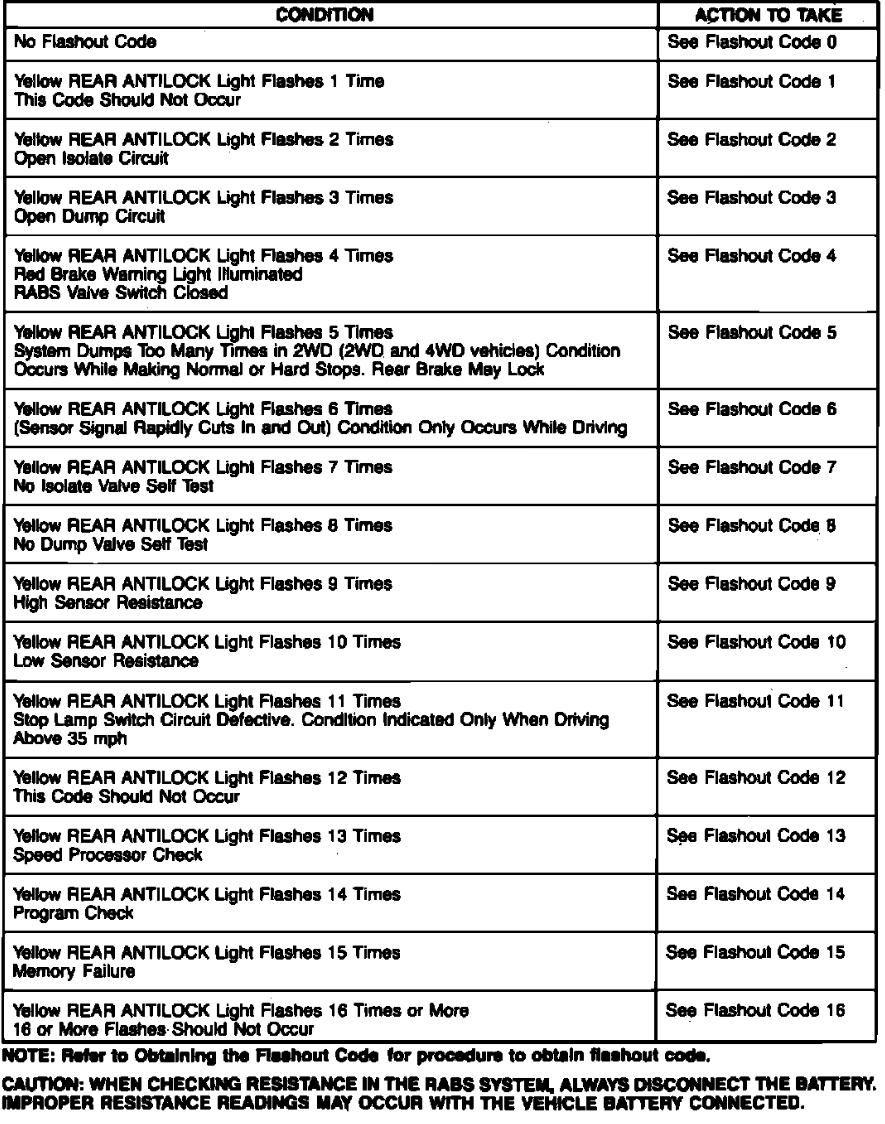
The blinking theft light isn’t random. It’s communicating. After turning the key to “ON,” wait 30–45 seconds. The light will shift from rapid flashing to a two-digit fault code that reveals the root issue.
How to Read Flash Codes
Use your phone to record the flashes. Count carefully, as misreading can lead to wrong repairs.
• Rapid, steady blinking (3+ times/sec): System is in authentication mode or detecting a fault
• Two-digit sequence (e.g., 1 flash, pause, 6 flashes): Indicates a specific PATS trouble code
• Repeat pattern: The code cycles every few seconds
Common PATS Codes and Meanings
| Code | Meaning |
|---|---|
| 13 | Invalid key transponder signal |
| 14 | Transceiver (antenna ring) circuit failure |
| 15 | PCM PATS configuration error |
| 16 | Loss of communication with PCM (Most common) |
| 17 | Multiple programmed keys detected |
Code 16 is the most frequent culprit, and it usually points to a power issue, not a bad key.
Fix Code 16: PCM Communication Lost

If your theft light flashes 1-6, your truck thinks the PCM is offline. This disables fuel injectors and prevents startup. But the PCM may be fine. It’s just not getting power.
Reseat the PCM Relay
Open the under-hood fuse box and locate relay slot 304 (PCM power relay).
- Remove the relay and inspect for corrosion
- Reinsert firmly, ensuring full contact
- Turn ignition to “ON” and wait 30 seconds
- Attempt to start the engine
Why it works: A loose or failing relay cuts power to the PCM. The PATS system sees this as a theft attempt and blocks fuel. Re-seating the relay restores communication instantly.
Pro Tip: Swap the PCM relay with the horn relay (same type) to test if the relay itself is faulty.
Test the Ignition Key and Transponder
Even with a working PCM, a bad key or transceiver can stop the engine.
Try a Known-Good PATS Key
Use a gray-headed Ford key (transponder-equipped). Avoid black-headed keys because they’re non-PATS and won’t work. If a spare key starts the truck, the primary key’s RFID chip is likely damaged.
Note: Keys can fail from drops, moisture, or wear, even if they turn smoothly in the cylinder.
Inspect the Transceiver Ring
Located around the ignition lock cylinder behind the steering column shroud.
• Check for cracked wires
• Look for broken solder joints
• Verify all connections are tight
Use a multimeter to test resistance: 50–100 ohms is normal. An open circuit means replacement is needed.
User Case: After replacing the ignition cylinder, one owner got Code 13, traced to a broken transceiver ring. Replacing it fixed the no-start immediately.
Reset the PATS System Manually
If the system is stuck in theft mode, a reset can force re-authentication.
10-Minute Ignition Reset
- Turn the key to “ACCESSORY” (one notch before start)
- Leave it for 10 minutes
- Watch the theft light, which should turn off when authentication completes
- Turn off and wait 2–3 minutes, then try starting
- Repeat up to three times if needed
Success Rate: High for intermittent issues, especially after battery replacement or electrical work.
Door Key Reset (Alternative Method)
- Insert key into the driver’s side door lock
- Turn partially (don’t unlock fully) and hold for 45 seconds
- Turn in the opposite direction and hold another 45 seconds
- Remove key and try starting the truck
Purpose: Simulates authorized entry and resets alarm logic.
Check for Aftermarket Wiring Interference
Hidden modules can disrupt PATS, even if they’re not actively being used.
Look for Spliced-in Devices
Check under the dash for:
• Aftermarket alarms
• Remote starters
• Stereo amplifiers
Inspect all wiring near the ignition and PCM for splices or added connectors.
User Case: One owner replaced the battery, then had a no-start. Found two unknown modules spliced into PATS wiring. Removing them restored full function.
Remove or Bypass Non-Essential Modules
Disconnect aftermarket devices and restore factory wiring connections. Test for startup before permanent removal.
Warning: Even inactive modules can draw power or create ground loops that disrupt transponder signals.
Battery and Electrical System Reset
A weak or recently replaced battery can trigger PATS faults.
Full Electrical Reset
- Disconnect both battery cables
- Touch the positive and negative cables together for 30 seconds (drains residual power)
- Reconnect terminals securely
- Wait 2 minutes, then try starting
Alternative: Leave battery disconnected for 15+ minutes to reset all modules completely.
Verify Battery Health
Test voltage: 12.6V or higher when fully charged. Check for voltage drops during cranking (should stay above 9.6V).
Note: PATS issues often appear after jump-starts or battery replacements due to power interruptions.
Replace Faulty Fuses and Relays
Power loss to critical circuits can mimic theft conditions.
Key Fuses to Test
| Fuse | Location | Rating | Function |
|---|---|---|---|
| PCM Power | Under-hood box | 30A | Powers PCM |
| Ignition | Interior fuse panel | 15A | Ignition circuit |
| Accessory Delay | Interior panel | 10A | Accessory power |
Use a multimeter to test for voltage and continuity. Don’t assume a fuse is good just by appearance.
Pro Tip: A cracked or melted relay housing indicates overheating. Replace immediately.
Consider PATS Deletion (Permanent Fix)
If security isn’t a concern, removing PATS eliminates the problem permanently.
How PATS Deletion Works
A tuner reprograms the PCM to disable the anti-theft system. The truck starts with any metal key, no transponder needed. Fuel injectors remain active regardless of key signal.
Risks and Side Effects
• Instrument cluster may fail after reprogramming (reported by multiple users)
• Loss of factory security
• Potential communication issues between PCM and body modules
Expert Note: Cluster failure post-deletion suggests a handshake protocol issue. Not all tuners account for module integration.
Diagnose Cluster and PCM Communication
A dead instrument cluster after PCM work is a red flag.
Check Cluster-PCM Link
After PATS deletion or PCM replacement, verify:
• Cluster powers on
• Gauges respond
• Odometer displays mileage (not dashes)
User Case: One user had PATS deleted. Truck started, but cluster died. Bench test showed cluster worked, but reinstallation failed, suggesting a power or ground issue introduced during PCM work.
Inspect Ground Connections
Clean and tighten the battery ground to chassis, PCM ground (usually near the module), and instrument cluster ground.
Pro Tip: A poor ground can mimic a failed module.
Replace Faulty Transceiver Ring
If all else fails, the antenna ring may be the culprit.
Steps to Replace
- Remove steering column shroud
- Unplug transceiver connector
- Slide off old ring and install new one
- Reassemble and test
Part Number: F57Z-15K601-AB (verify fit for 2000 F-150). Cost: $30–$60 (OEM or aftermarket).
Visual Cue: If wiggling the key changes theft light behavior, the transceiver is likely failing.
Recommended Diagnostic Flow
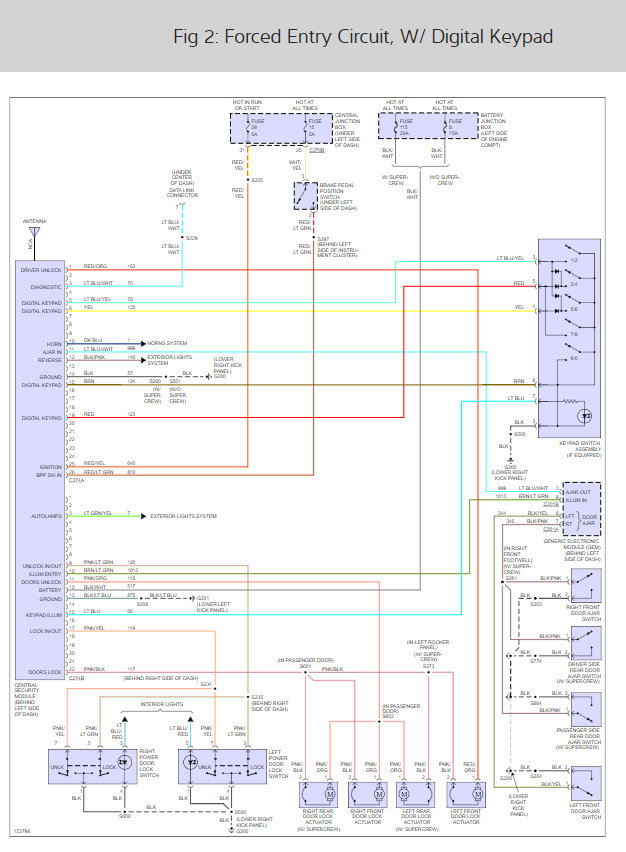
Follow this sequence to avoid unnecessary parts replacement:
- Observe theft light (rapid flash or steady)
- Wait 45 seconds and look for two-digit flash code
- Check PCM relay (304) and reseat or swap
- Test battery and fuses to confirm power
- Try 10-minute reset (simple but effective)
- Inspect for aftermarket modules and remove if found
- Test key and transceiver with resistance and visual check
- Scan for codes using OBD2 tool that reads body/PATS
- Consider PATS deletion as last resort with known risks
Prevention Tips
• Keep a spare PATS key programmed and stored safely
• Avoid aftermarket splices near ignition or PCM circuits
• Replace battery with engine off to prevent power surges
• Use dielectric grease on relay and fuse contacts to prevent corrosion
Frequently Asked Questions About 2000 Ford F150 Theft Light Blinking
Why does my 2000 F-150 crank but not start with the theft light blinking?
The PATS system has detected a fault, usually a key authentication failure or lost PCM communication. This triggers fuel injector cutoff, preventing startup even though the engine cranks normally.
How do I reset the theft light on my 2000 F-150?
Try the 10-minute ignition reset: turn key to “ACCESSORY” and wait 10 minutes until the light turns off. Alternatively, use the door key reset method by turning the key in the driver’s door lock both directions for 45 seconds each.
Can I start my Ford F-150 with a non-PATS key?
No. The PATS system requires a transponder-equipped key (gray-headed). Black-headed keys won’t work and will trigger the theft light.
Is Code 16 serious?
Code 16 indicates lost communication with the PCM, the most common PATS fault. It’s often caused by a loose PCM relay and is frequently resolved by reseating the relay in slot 304.
Will disconnecting the battery reset PATS?
Yes. Disconnecting both battery cables and touching them together for 30 seconds can reset the system. Alternatively, leave the battery disconnected for 15+ minutes.
What is the cost to replace the transceiver ring?
OEM or aftermarket transceiver rings cost $30–$60. Labor adds more if professional installation is needed.
Key Takeaways for Fixing Your 2000 Ford F150 Theft Light Issue
The blinking theft light on your 2000 F-150 is usually not a key issue. It’s a system communication failure. Start with the PCM relay and reset procedures before diving into wiring or PCM work. Most fixes take under 30 minutes and cost nothing. If problems persist, check for hidden aftermarket devices or consider professional PATS deletion, but be aware of potential side effects like cluster failure. With the right diagnostic steps, you can restore reliable starts and eliminate the blinking theft light for good.


