

If your Ford F150 won’t start and the anti-theft light is flashing, you’re likely dealing with the Passive Anti-Theft System (PATS) locking out the engine. This system prevents fuel delivery unless it detects a valid transponder key. While “bypass” sounds like a quick fix, true PATS bypass on a Ford F150, especially models from 2001 to 2010, is not simple hot-wiring. Instead, it involves reset procedures, hardware diagnostics, or temporary workarounds to get your truck running again.
This guide covers safe, verified methods to reset, diagnose, and temporarily bypass the anti-theft system when you’re locked out with your valid key. These steps are intended for owners experiencing system glitches, not for unauthorized access.
Decode the Anti-Theft Light Pattern

Rapid Flashing After 3 Seconds
If the red padlock icon flashes rapidly after turning the key to ON, the PATS system doesn’t recognize your key or is in fault mode. This doesn’t mean the key is bad. It could be a transceiver issue, low battery, or PCM communication error. The engine may crank but won’t start because fuel injectors are disabled.
No Light or Solid Light
No light at all indicates a blown fuse, battery voltage issue, or instrument cluster bulb failure. A light that stays solid could mean system standby, power issue, or failed self-check.
Pro Tip: A working fuel pump that primes for 2 seconds but cuts off is a strong sign PATS is blocking fuel delivery, not a mechanical problem.
Try the 10-Minute Key-On Reset
The Secret Handshake Fix
This is the most effective first step for PATS lockouts after battery replacement, jump-starts, or unexpected shutdowns.
Steps:
1. Insert a known good transponder key
2. Turn ignition to ON (do not start)
3. Wait 10 to 15 minutes (sometimes up to 30)
4. The theft light will flash rapidly, then stop blinking completely
5. Turn key to OFF, wait 5 seconds, then start
Why it works: The PCM waits for a valid key signal. After prolonged ON time, it may reinitialize the PATS handshake.
User Confirmed: The 10 minute thing worked for me once. It saved me from leaving my truck at work.
Reset with Battery Disconnect
Clear System Memory
A sudden power loss can confuse the PATS and BCM modules. Rebooting clears residual faults.
Steps:
1. Turn off ignition
2. Disconnect negative battery terminal
3. Wait 10 to 15 minutes (longer for dual-battery trucks)
4. Optionally touch negative cable to positive post for 10 seconds to discharge capacitors
5. Reconnect securely
6. Try starting
Mechanic Verified: Works after jump-starts or battery swaps that disrupt module sync.
Shortcut: Some users report success by touching both cables together for a few seconds before reconnecting. This forces a full system reset.
Unlock Driver’s Door with Key
Reset the Central Security Module (CSM)
If the horn is blaring or lights are flashing, the perimeter alarm (CSM) is triggered, not PATS. This often happens after battery work or forced entry attempts.
Steps:
1. Use the physical key in the driver’s side door lock
2. Turn and hold in unlock position for 20 to 30 seconds
3. Release and try starting
Expert Tip: Use the key to lock and unlock the driver’s door should deactivate the alarm.
Note: This signals the Body Control Module (BCM) that an authorized user is present.
Test Your Transponder Key
Verify Key and Spare Function
PATS relies on a working RFID chip in your key. If it’s damaged or unprogrammed, the truck won’t start.
Checklist:
• Try a second key if available
• Avoid aftermarket keys unless professionally programmed
• Don’t use non-transponder keys. They won’t trigger the system
Warning: Cloned keys without proper PATS coding will fail. Only Ford dealers or certified locksmiths can program new keys using IDS scanners.
Real Case: After PCM replacement, a truck wouldn’t start. The keys weren’t programmed into the new module. A dealer visit was required.
Inspect the Transponder Ring (Ignition Collar)
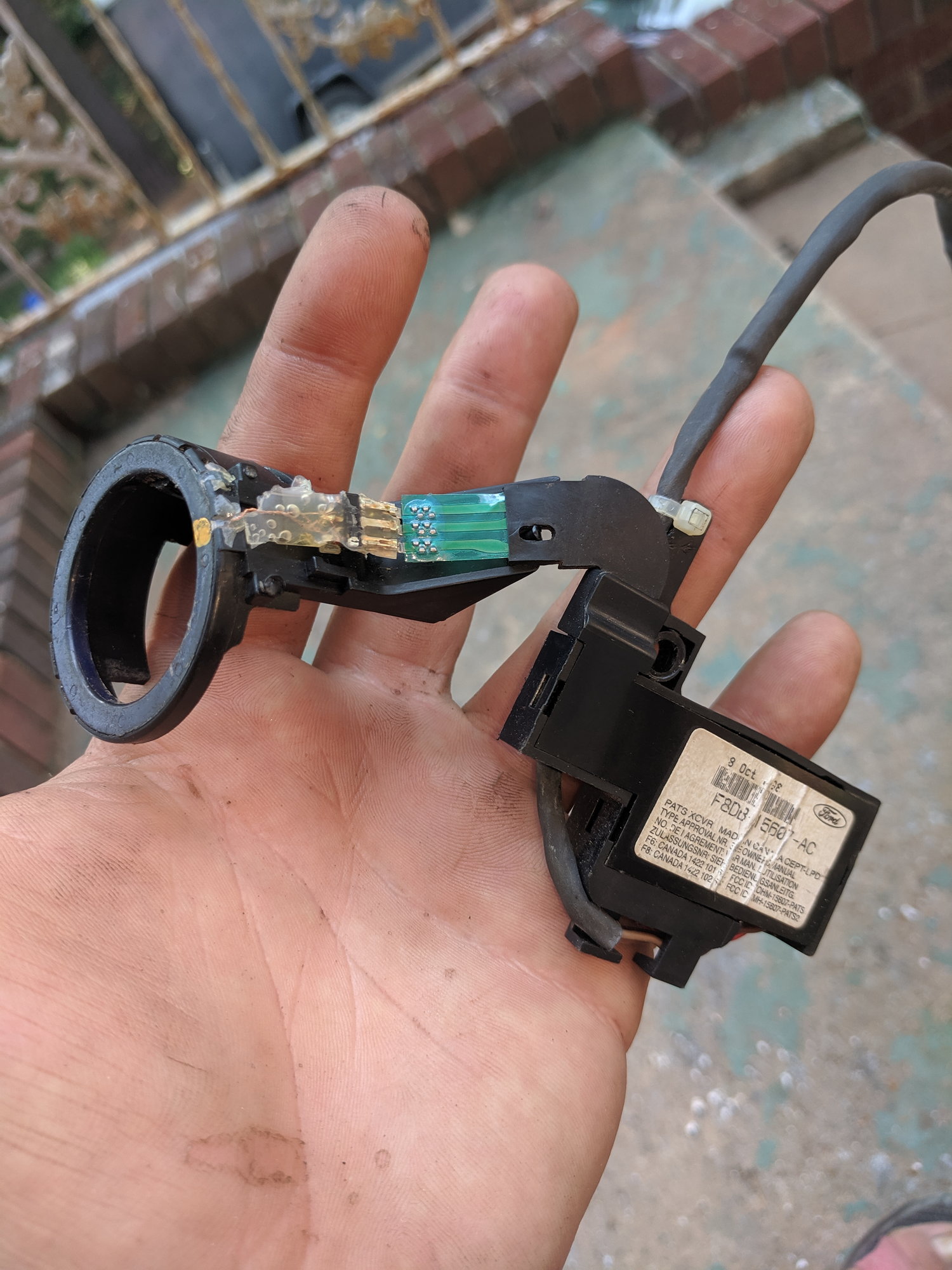
Fix Intermittent Key Recognition
The ring around your ignition cylinder powers and reads the key’s chip. If cracked, loose, or corroded, it causes inconsistent starts.
Symptoms:
• Key only works at certain angles
• Starts after wiggling the key
• Flashing theft light despite good key
Fix:
• Replace the PATS transceiver ring ($100 to $200)
• Ensure it’s properly seated and grounded
• Avoid aftermarket modules spliced into the wiring. Remove them if found
User Finding: One owner discovered two aftermarket modules interfering with the transceiver. Removing them restored function.
Use OBD-II Scanner for PATS Codes

Diagnose with Real Error Data
A standard code reader may fail if PATS blocks PCM communication. Use a Ford-compatible scanner to pull manufacturer-specific codes.
Common PATS DTCs:
• B1213: Key not programmed
• B1600: No transponder signal
• B1601: Key code not found
• U3002-62: VIN mismatch between modules (often due to fuse issues)
Critical Insight: No PCM communication? Check fuses first. One technician fixed U3002-62 by correcting a misplaced fuse. No module replacement needed.
Check Fuses and Wiring
Find Hidden Electrical Faults
PATS, PCM, and ignition circuits rely on stable power. A single blown fuse can mimic a full system failure.
Key Fuses to Check:
• PATS module
• PCM power
• Ignition switch
• Fuel pump relay
Locations:
• Interior fuse box (driver’s side dash)
• Engine compartment fuse panel
Steps:
1. Use a test light or multimeter
2. Verify 12V at each relevant fuse
3. Inspect for corrosion, loose connections, or chewed wires (especially near firewall or battery tray)
Real Fix: A 2010 F150 owner found a missing fuse placed in the wrong slot. Correcting it restored operation instantly.
Bypass with Paperclip (Pre-2010 Models)
Emergency Starter Circuit Override
This method only applies to older F150s (typically pre-2010) with accessible security modules under the dash.
Warning: This does not enable fuel injectors on most models. The engine may crank but still not start.
Steps:
1. Remove under-dash fuse panel using a quarter to turn four plastic screws 1/4 turn CCW
2. Locate the security module behind the panel
3. Disconnect all harnesses
4. Find terminals labeled Starter or similar
5. Bridge the two starter terminals with a U-shaped paperclip
6. Reconnect battery and turn key to START
Outcome: Starter engages, but fuel may still be blocked by PCM.
Limitation: On 2010+ models, PATS blocks PCM signals. This method fails.
Why Modern F150s Can’t Be Easily Bypassed
PATS Is Embedded in the PCM
In 2010 and newer F150s, the anti-theft system is hard-coded into the Powertrain Control Module. Even if you hot-wire the starter:
• No fuel injector pulse without valid transponder signal
• Ignition timing may be disabled
• Serial data between BCM and PCM is blocked
Mechanic Fact: PATS disables any serial data from the BCM to the PCM. Without this handshake, the PCM will not command fuel delivery.
Install a PATS Bypass Module (For Remote Start)
Permanent Solution for Aftermarket Systems
If you’ve added remote start or push-button ignition, you need a PATS emulator to simulate a valid key.
Common Modules:
• BPU-18
• Fortin EVO-ONE
• DEI 558U
How It Works: Learns your key’s transponder code and sends signal when remote start is activated.
User Issue: If I start with remote, it dies when I press the brake.
Cause: Faulty or unprogrammed bypass module.
Disable Auto-Lock or Alarm via CSM Programming
Stop Unwanted Alarm Triggers
If your alarm goes off while driving from vibration, you can disable auto-lock features.
Steps to Disable Auto-Lock:
1. Close all doors
2. Turn ignition to LOCK
3. Within 30 seconds turn to RUN, press UNLOCK 3 times, turn to OFF, press UNLOCK 3 times, turn to RUN
4. Horn chirps once. Now in programming mode
5. Press UNLOCK once: One chirp equals auto-lock disabled, one short plus one long equals enabled
6. Turn to OFF to exit
Risks of Permanent PATS Bypass
Don’t Disable Safety Systems
Some suggest jumpering the fuel pump relay or reflashing the PCM to remove PATS.
Why It’s Dangerous:
• Fuel pump runs continuously. No shutoff in a crash
• Increased fire risk
• Triggers check engine lights or limp mode
• Reduces resale value
• May violate federal safety regulations
Expert Warning: If you bypass the PAT system, the fuel pump will not shut down in the event of an accident.
Summary: Fix by Symptom
Engine Cranks but Won’t Start
• Cause: PATS lockout
• Fix: 10-minute key-on reset, check key, inspect transceiver
Horn Blaring, Lights Flashing
• Cause: CSM alarm triggered
• Fix: Unlock driver’s door with key, battery reset
No Start After Battery Replacement
• Cause: PATS lost sync
• Fix: Battery disconnect plus 15 min wait, or 10-minute key-on
After PCM Replacement, Still No Start
• Cause: PCM not programmed to keys
• Fix: Dealer must reprogram using IDS scanner
Remote Start Dies When Brake Pressed
• Cause: Missing or faulty PATS bypass module
• Fix: Install or repair module
Final Tips and Best Practices
Keep Your F150 PATS-Ready
• Always try the 10-minute reset first. It solves most soft faults
• Keep two programmed keys as a backup
• Replace fob batteries every 2 to 3 years to avoid signal drop
• Avoid cheap aftermarket alarms. They often interfere with PATS
• Remove non-factory wiring. Many no-start issues stem from spliced modules
• Visit a Ford dealer for key programming, PCM/BCM replacement, or persistent PATS faults
Bottom Line: While temporary bypasses exist, the safest and most reliable fix is proper diagnosis and repair. The PATS system is designed to be tamper-resistant by design. For owners with valid keys, reset, inspect, and reprogram is the best path forward.
Frequently Asked Questions About Bypassing Anti-Theft on Ford F150
Can I hot-wire my Ford F150 to bypass PATS?
No. Modern F150s from 2010 and newer cannot be hot-wired. PATS is embedded in the PCM and blocks fuel injector signals even if the starter engages. Attempting to hot-wire will only result in a cranking engine that won’t run.
Why does my F150 crank but won’t start with the anti-theft light flashing?
This is a classic PATS lockout. The system recognizes something is wrong with your key signal, transceiver, or PCM communication. Try the 10-minute key-on reset first. If that fails, test with a spare key and inspect the transponder ring around the ignition cylinder.
How do I reset my Ford F150 anti-theft system?
The most effective method is the 10-minute key-on reset. Insert a valid key, turn to ON (don’t start), wait 10 to 15 minutes until the theft light stops flashing, then turn to OFF and start. Alternatively, disconnect the negative battery terminal for 10 to 15 minutes to clear module memory.
Does disconnecting the battery reset PATS?
Yes, disconnecting the battery can reset PATS by clearing residual charge from the control modules. Disconnect the negative terminal, wait 10 to 15 minutes, then reconnect and try starting. This works particularly well after battery replacements or jump-starts that caused power disruption.
Can I bypass PATS permanently to remove the anti-theft system?
Technically yes, but it’s not recommended. Permanent bypass methods include jumpering the fuel pump relay or reflashing the PCM to remove PATS logic. These approaches create serious safety hazards, as the fuel pump won’t shut off in a collision. They also trigger check engine lights, reduce resale value, and may violate federal safety regulations.
What does it cost to fix PATS on a Ford F150?
Costs vary by repair type. A transponder ring replacement runs $100 to $200. Key programming at a Ford dealer costs $50 to $200 depending on location and key type. PCM or BCM replacement requires professional programming with Ford IDS equipment, which can run $500 or more.
Key Takeaways for Bypassing Anti-Theft on Your Ford F150
The PATS system on your Ford F150 is designed to prevent theft, but it can also lock out legitimate owners experiencing system glitches. The 10-minute key-on reset should be your first troubleshooting step. It resolves most temporary PATS faults at no cost. Battery disconnection is another effective reset method that clears module memory. If these don’t work, inspect your transponder key and the ignition collar for damage or interference.
For modern F150s (2010 and newer), true bypass is nearly impossible without professional tools. The system is hard-coded into the PCM and blocks fuel delivery regardless of starter function. Permanent bypass modifications create serious safety risks and should be avoided. The most reliable solution is proper diagnosis and repair using factory methods. If your truck still won’t start after trying these reset procedures, visit a Ford dealer or certified locksmith with IDS scanning capability to diagnose and program your keys correctly.


