

Pouring the wrong amount of oil into your Ford F350 can cause foaming or catastrophic engine failure. The 6.7L Powerstroke diesel requires precise ford f350 oil capacity amounts that changed significantly in 2023.
This guide details the exact quart requirements for 2011 through 2024 models alongside correct viscosity grades. You will learn specific fill volumes and oil specifications to ensure your truck runs safely.
Ford F350 Oil Capacity by Model Year Generation

The total volume required for your engine depends entirely on the production year of your truck. Using historical data for a newer model leads to dangerous underfilling or overfilling scenarios.
2011 to 2022 Models Require 13 Quarts
Trucks built between 2011 and 2022 hold exactly 13 quarts of oil when replacing the filter. This volume equals approximately 12.3 liters and applies to standard heavy-duty configurations. Always treat this number as a starting point rather than a final measurement.
Pro Tip: Pouring 15 quarts into these older engines creates a 2-quart overfill that causes immediate foaming damage.
2023 to 2024 Models Require 15 Quarts
Ford increased the ford f350 oil capacity to 15 quarts for the 2023 and 2024 model years. This update supports engineering changes designed for better thermal management and durability under heavy loads. The increased volume helps dissipate heat more effectively during towing operations.
Why Ford Increased Oil Volume

The jump from 13 to 15 quarts reflects design updates to the oil sump and internal passages. These changes improve cooling efficiency and reduce stress on components during high-load tasks like towing or plowing.
Mandatory Oil Specifications for 6.7L Powerstroke
Using the correct fluid type is non-negotiable for warranty compliance and engine survival. Your oil must meet strict Ford standards to protect the emissions system.
Meet WSS-M2C171-F1 Specification
Every quart of oil used must meet the WSS-M2C171-F1 specification. This standard ensures the oil handles soot from the EGR system and protects the Diesel Particulate Filter (DPF). Motorcraft is the recommended brand but other synthetics work if they display this code.
Avoid Supplemental Oil Additives
Ford explicitly prohibits adding any aftermarket additives to your engine oil. These chemicals disrupt the carefully balanced formula and can damage the DPF or void your warranty. The engine performs best with pure oil that meets the required specification.
Install Motorcraft FL-94 Filters
You must use a Motorcraft FL-94 filter or an exact high-quality equivalent. Cheap filters may collapse under pressure or lack proper anti-drainback valves needed for the turbo. A failed filter allows metal debris to circulate and destroy internal bearings.
Select Viscosity Based on Your Climate
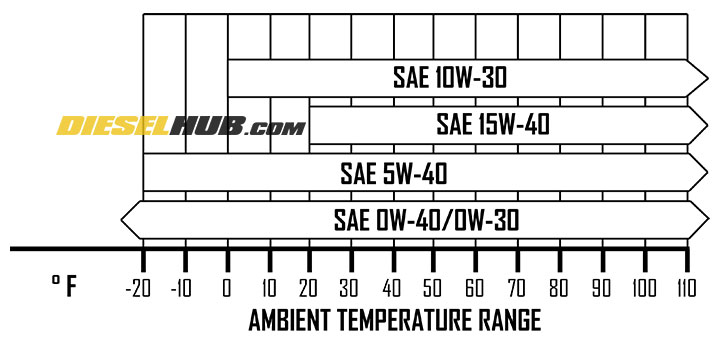
Choosing the right thickness ensures your engine starts quickly in winter and stays protected in summer heat. Your local temperature range dictates the best grade for your truck.
Use SAE 10W-30 for Moderate Temperatures
SAE 10W-30 is the primary recommendation for most drivers in moderate climates. It flows well during cold starts and maintains strength up to 100°F (38°C). This grade suits daily drivers and light towing duties perfectly.
Switch to SAE 15W-40 in Hot Regions
Consistently hot areas benefit from SAE 15W-40 due to its superior high-temperature protection. This thicker oil reduces wear during long summer hauls or desert driving conditions. It is also the preferred choice for older Powerstroke models.
Choose SAE 5W-40 for Cold and Severe Duty
SAE 5W-40 provides faster oil flow at startup for freezing temperatures. Ford also recommends this grade for severe duty cycles involving frequent towing or stop-and-go traffic. It offers the best balance of cold flow and high-stress durability.
Select SAE 0W-40 for Extreme Cold
Temperatures dropping below -22°F (-30°C) require SAE 0W-40 to prevent oil starvation. This ultra-low viscosity grade flows like water to lubricate bearings instantly during sub-zero cranking. Pair this oil with a block heater for reliable winter starts.
Biodiesel Blends and Severe Duty Requirements
Operating on alternative fuels or under heavy loads changes your maintenance needs. Specific oil grades are mandatory for these demanding conditions.
Biodiesel B20 Needs Thicker Oil
Running B20 biodiesel blends requires either 5W-40 or 15W-40 oil meeting Ford specs. Biodiesel increases fuel dilution and soot production which thinner oils cannot handle effectively. Never use 10W-30 when running significant biodiesel percentages.
Severe Duty Demands 5W-40 Synthetic
Frequent towing and idling classify as severe duty and demand SAE 5W-40 protection. This synthetic blend resists breakdown better than conventional oils under extreme thermal stress. Reduce your change interval to 7,500 miles when operating under these conditions.
Step-by-Step Oil Change Procedure
Changing oil on a 6.7L Powerstroke requires attention to detail and the correct tools. Follow these steps to ensure a clean and safe service.
Gather Required Tools and Supplies
- 13 or 15 quarts of WSS-M2C171-F1 oil
- Motorcraft FL-94 oil filter
- 36mm socket for drain plug
- Oil filter wrench
- 18-quart drain pan
- Funnel and gloves
Drain Old Oil Completely
- Run the engine for 5 minutes to warm the fluid.
- Park on level ground and remove the drain plug.
- Allow the oil to drain for 15 minutes until it slows to a drip.
- Replace the crush washer and reinstall the plug securely.
Replace Filter and Refill Oil
- Remove the old filter and prep the new FL-94 with fresh oil.
- Install the new filter by hand until the gasket touches.
- Pour in 12 quarts for pre-2023 models or 14 quarts for 2023+.
- Start the engine for 30 seconds then shut it off immediately.
- Wait 5 minutes for oil to drain back before checking the dipstick.
- Add small amounts until the level hits the top “FULL” mark.
Dangers of Incorrect Oil Levels
Maintaining the exact ford f350 oil capacity is critical because both low and high levels cause severe damage. Ignoring the dipstick can lead to expensive repairs.
Low Oil Starves Engine Components
Running low on oil reduces pressure to camshafts and turbo bearings. This lack of lubrication causes rapid friction heat and potential engine seizure. Check your level every time you fill up with fuel to stay safe.
Overfilling Creates Destructive Foam
Adding too much oil causes the crankshaft to whip the fluid into a foam. Aerated oil cannot lubricate because air bubbles compress instead of forming a protective film. This leads to turbo failure and blown seals throughout the engine.
Maintenance Tips for Maximum Engine Life
Proper care allows the 6.7L Powerstroke to exceed 300,000 miles reliably. Consistent maintenance habits protect your investment over the long term.
Adhere to Strict Change Intervals
Change your oil every 7,500 to 10,000 miles depending on usage. Severe duty or biodiesel users should stick to the 7,500-mile limit strictly. Regular changes remove contaminants that cause internal wear.
Keep Detailed Service Records
Document every oil change with dates and mileage for resale value. A complete history proves you followed ford f350 oil capacity guidelines correctly. This documentation supports warranty claims and boosts truck value.
Perform Oil Analysis on High Mileage Trucks
Trucks over 150,000 miles benefit from periodic oil sampling and analysis. Labs detect early signs of bearing wear or coolant leaks before failure occurs. Catching these issues early saves thousands in repair costs later.
Final Checks Before Driving Your Truck

Double-check your work to ensure the job was done correctly. These final steps prevent common mistakes that ruin engines.
Verify Level with Dipstick Only
Never assume the amount you poured is correct without checking. The dipstick is the only law for determining accurate oil levels in your F350. Ensure the truck is on level ground for a true reading.
Wait Before Final Measurement
Allow the engine to sit for 5 to 10 minutes after shutting it off. This waiting period ensures all oil drains back to the pan for an accurate measurement. Rushing this step often leads to false low readings.
Frequently Asked Questions About Ford F350 Oil Capacity
How many quarts of oil does a 2023 Ford F350 hold?
A 2023 Ford F350 with the 6.7L Powerstroke holds 15 quarts including the filter. This increased capacity applies to all 2023 and newer models.
What happens if I put 15 quarts in a 2020 F350?
Putting 15 quarts in a 2020 model overfills it by 2 quarts causing dangerous foaming. This aerated oil fails to lubricate the turbo and bearings properly.
Can I use synthetic oil in my Ford F350 diesel?
Yes synthetic oil is recommended especially grades like 5W-40 that meet WSS-M2C171-F1 specs. Synthetic blends offer superior protection for severe duty and cold weather.
How often should I change oil when towing heavy loads?
You should change oil every 7,500 miles when towing heavy loads or using biodiesel. Severe duty cycles require more frequent changes than normal driving conditions.
Is Motorcraft oil required for warranty coverage?
Motorcraft is recommended but any oil meeting WSS-M2C171-F1 specification maintains warranty coverage. The specification code matters more than the brand name on the bottle.
Key Takeaways for Ford F350 Oil Capacity Maintenance
Your truck requires 13 quarts for 2011–2022 models and 15 quarts for 2023–2024 units. Always verify the final level with the dipstick after waiting 5 minutes for drainage. Using the correct ford f350 oil capacity and WSS-M2C171-F1 oil ensures your engine reaches high mileage safely.
Check your model year before purchasing oil to avoid costly overfilling errors. Stick to the 7,500-mile change interval for severe duty to maximize engine life. Your next step is to grab a dipstick and confirm your current oil level today.


