

If your Ford F350 AC compressor is not working, you are likely facing a frustrating mix of electrical gremlins or premature mechanical failure. From blown fuses in older trucks to defective compressors in brand-new 2023 models, this issue turns cabs into ovens during hot weather.
This guide details exact steps to test fuses and relays while warning against incomplete dealer repairs. You will learn how to diagnose the root cause quickly and demand the correct parts to restore your cooling system permanently.
Check AC Clutch Fuse First
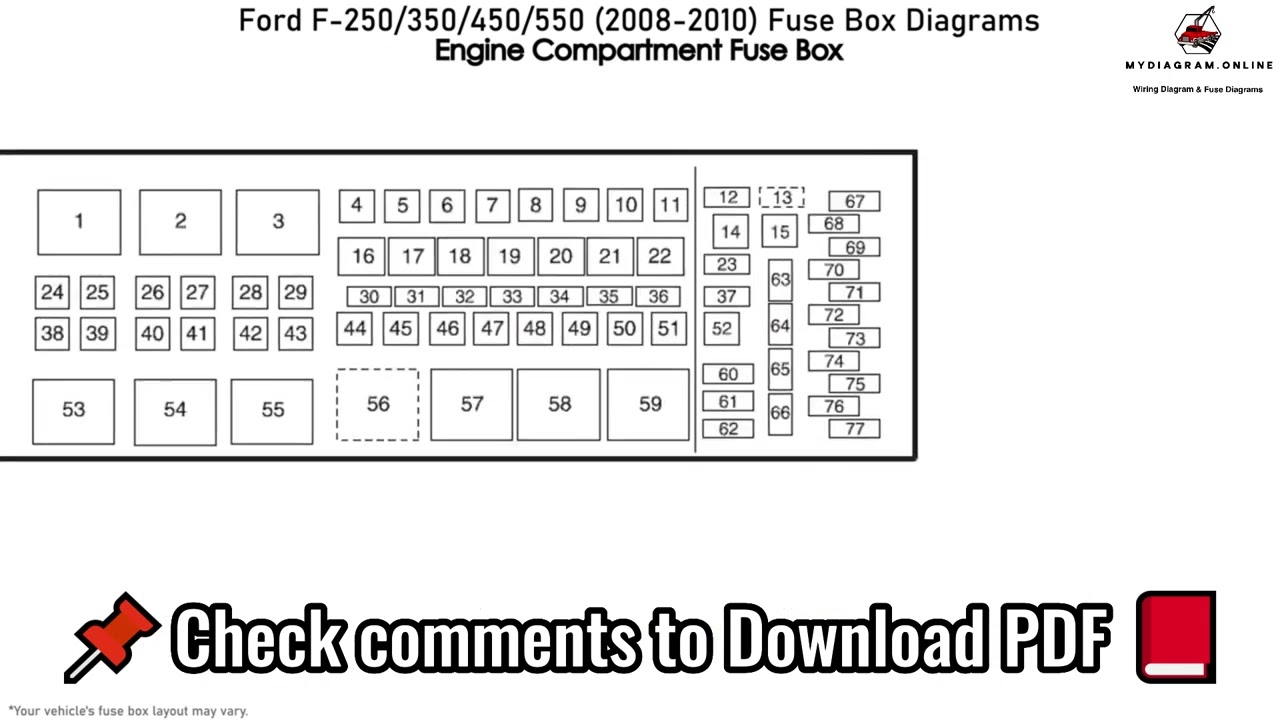
The most common reason for a non-functioning compressor in older Ford F350 models involves a simple electrical fault. A blown 10-amp fuse labeled AC Compressor Clutch often stops the electromagnetic clutch from engaging the compressor entirely.
Locate the 10-Amp Fuse
You must find the specific fuse box located on the driver’s side of the engine bay near the battery. Press the tabs on both sides of the plastic cover and lift it straight up to reveal the internal components.
- Look for the diagram on the underside of the cover.
- Identify the slot marked for the AC compressor clutch.
- Verify it corresponds to a 10-amp rating before proceeding.
Inspect and Replace if Blown
Pull the fuse out carefully and examine the metal filament inside the plastic housing. If the wire link is broken or the plastic looks blackened, the fuse has failed and stopped power from reaching the clutch.
Quick diagnostic trick: Swap the suspect fuse with the Trailer fuse used for backup lights if it is also 10-amps. If the AC starts working immediately after the swap, you have confirmed the original fuse was the problem.
⚠️ Critical Rule: Always replace a blown fuse with another 10-amp fuse only. Installing a higher-rated fuse like 15 or 20 amps risks melting wiring harnesses and damaging control modules.
Test AC Clutch Relay
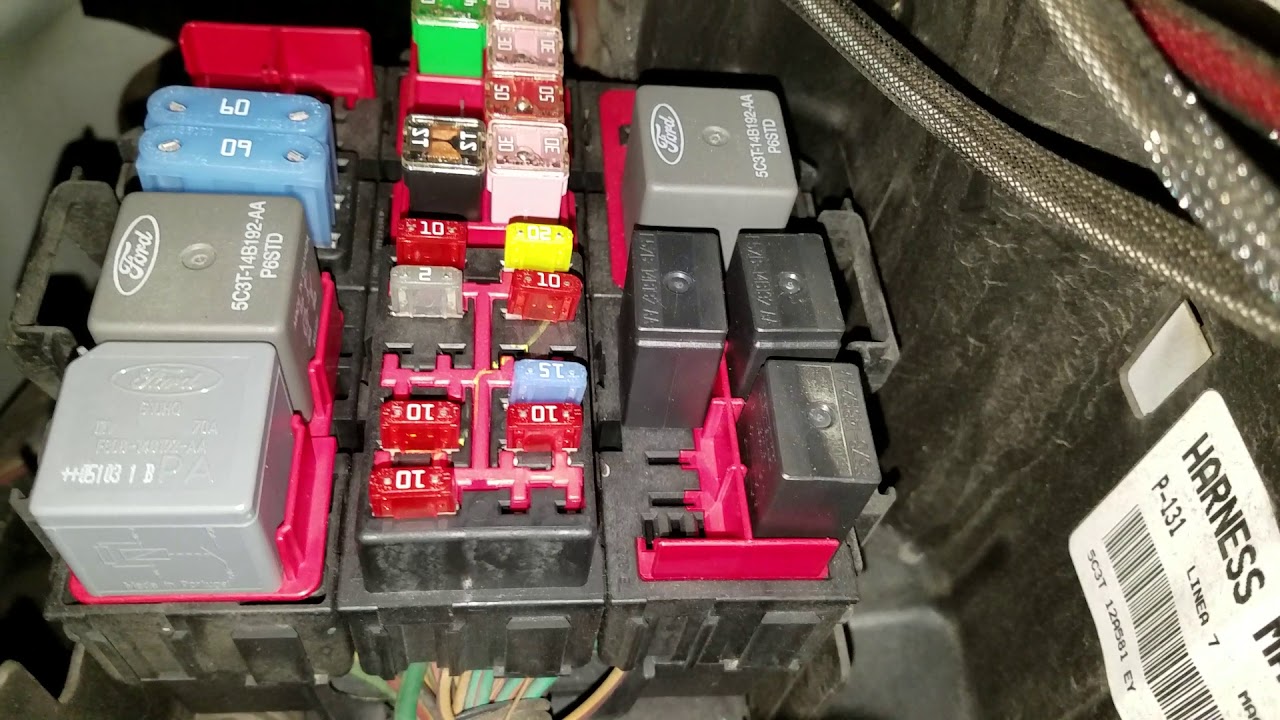
If the fuse appears intact but the compressor still refuses to spin, the fault likely lies within the AC compressor clutch relay. This component acts as an electrical switch that often wears out due to heat and vibration under the hood.
Find Relay Near Trailer Signals
Open the engine bay fuse box again to locate the relay bank situated near the trailer turn signal relays. The AC compressor clutch relay sits within this same cluster and controls the high-current signal needed to engage the system.
Relays contain internal contacts that can corrode or become loose over time. When these contacts fail, they prevent electricity from reaching the clutch coil even if the rest of the system is functional.
Swap with Trailer Relay
You can test the relay function without specialized tools by swapping it with a known working unit. Follow these steps to perform a reliable diagnostic check:
- Turn the ignition key to the off position.
- Remove the AC compressor clutch relay from its socket.
- Remove the trailer turn signal relay located nearby in the same bank.
- Insert the trailer relay into the AC compressor clutch socket.
- Turn the ignition on and attempt to activate the AC.
✅ If the compressor clicks and begins cooling, your original AC relay is faulty.
❌ If nothing changes, the issue likely involves the clutch coil or the compressor itself.
Tap Test for Intermittent Failures
Some relays fail only intermittently due to loose internal components. Have a helper turn on the AC while you gently tap the relay housing with the handle of a screwdriver.
If the compressor engages only when tapped, the relay has internal damage and requires immediate replacement. This method is highly effective for older trucks where years of vibration degrade electrical connections.
Diagnose Clutch Coil vs Compressor
Owners of 2023 and 2024 Ford F350 models face a different and more serious problem involving premature mechanical failure. Many brand-new trucks under 10,000 miles lose cooling completely, yet dealers often misdiagnose the root cause.
Why Coil Replacement Fails
Dealerships frequently follow a repair manual step that suggests replacing the AC clutch coil as the first action. While this fixes some issues, many owners report cooling returns for only 20 minutes before failing again.
This happens because replacing the clutch coil is often just a diagnostic step. If the compressor piston is seized or internal valves have failed, a new coil cannot fix the mechanical defect inside the unit.
Demand Direct Compressor Testing
When visiting a service center, you must advocate for a thorough inspection rather than accepting a quick coil swap. Ask the technician explicitly if they will test the compressor directly instead of just replacing the coil.
Request verification of compressor internal pressure and clutch air gap measurements. Insist on a 20-minute max-cool drive test after any repair to ensure the system sustains cold air under load.
Decode Indicator Light Clues

Listening to your engine and watching system behavior provides critical data before opening the hood. These auditory and visual cues help distinguish between electrical faults and mechanical failures.
Listen for the Click
Stand near the front of the engine when you turn on the AC and listen for a distinct click. This sound indicates the electromagnetic clutch is engaging the compressor pulley to the drive shaft.
No click suggests an electrical interruption such as:
* A blown fuse or bad relay
* A failed clutch coil
* An open circuit in the wiring harness
A click without cooling implies the clutch engages but the compressor isn’t pumping refrigerant. This points to low refrigerant levels or internal mechanical failure.
Watch for Intermittent Engagement
Some drivers report the compressor clicking on and off repeatedly in a cycling pattern. This behavior often signals low refrigerant charge or a faulty pressure switch protecting the system.
Normal operating pressures should read 25–40 psi on the low side and 200–250 psi on the high side. If pressures are outside these ranges, do not assume the compressor is bad until you rule out leaks or blockages.
Address New Model Defects
The 2023 and 2024 Ford F350 models suffer from a unique supply chain crisis affecting repair times. Compressors for these trucks are frequently on indefinite backorder, leaving owners without cooling for weeks.
2023–2024 Compressor Backorders
Multiple dealers report wait times extending up to eight weeks for new compressor units. This delay stems from manufacturing bottlenecks affecting a broad production run of Super Duty trucks.
Even after a definitive diagnosis, your truck may sit in the shop waiting for parts. This shortage forces many owners to drive without AC or seek alternative transportation during hot months.
Dealers Skipping Full Diagnosis
Some service centers replace only the clutch coil to clear the repair order quickly. They know the compressor might still be faulty but proceed because the main part is unavailable.
This practice leaves you with a vehicle that cools briefly then fails again. You must document all interactions and demand a full compressor replacement if the coil swap does not solve the problem permanently.
Restore Cooling Safely
Attempting repairs requires strict adherence to safety protocols to avoid damaging your truck further. Electrical systems in modern trucks are sensitive to incorrect amperage or improper testing methods.
Avoid Fuse Upgrades
Never install a fuse with a higher amp rating than specified for the AC circuit. The 10-amp limit exists to protect wiring insulation and control modules from excessive current.
If the 10-amp fuse keeps blowing, investigate short circuits in the clutch coil wiring. Check for seized bearings or excessive resistance in the compressor clutch before installing another fuse.
Bypass Relay with Jumper (Temporary Test Only)
You can confirm power delivery by using a fused jumper wire to connect battery positive to the relay output terminal. This simulates the relay closing and sends power directly to the clutch.
⚠️ Warning: Perform this test for only 10–15 seconds. Leaving the jumper connected risks overheating wires or starting a fire. Use this method solely to confirm relay function, not as a permanent repair solution.
Prevent Future Failures
Proactive monitoring helps catch AC issues before they leave you stranded in extreme heat. Regular checks ensure your system remains reliable during summer travel.
Schedule Long Cooling Tests
After any repair, run the AC on Max Cool with recirculate mode enabled. Drive for at least 20 minutes in temperatures above 80°F to verify sustained performance.
Many dealers only test for initial engagement. Be your own quality control by monitoring cabin temperature throughout the drive to ensure it does not climb back up.
Monitor in Extreme Heat
AC failures often surface during heatwaves or desert driving conditions. High underhood temperatures stress weak compressors and expose marginal electrical connections.
Check your AC function before long trips and know your nearest dealer’s parts availability. Driving without AC in 100°F heat poses a serious safety hazard for you and your passengers.
Frequently Asked Questions About Ford F350 AC Compressor Issues
Why is my Ford F350 AC blowing hot air after 20 minutes?
This symptom often indicates a defective compressor rather than a simple clutch coil issue. The system may start cold but fails as the faulty internal components heat up and seize.
Can I use a higher amp fuse to fix my AC compressor?
No, using a higher amp fuse can melt wiring and damage the powertrain control module. Always replace blown fuses with the exact 10-amp rating specified for the circuit.
How do I test the AC relay on my Ford F350?
Swap the AC compressor clutch relay with the trailer turn signal relay in the engine bay fuse box. If the AC works after the swap, the original relay is faulty.
Why are 2023 Ford F350 AC compressors on backorder?
Manufacturing defects and high demand have created a supply chain bottleneck. Dealers report wait times up to eight weeks for new compressor units.
Is the AC clutch coil replacement a permanent fix?
Not always. In many new models, replacing the coil is a diagnostic step. If the compressor itself is mechanically failed, the coil replacement will not solve the issue.
What should I do if my dealer says the AC is fixed but it fails again?
Insist on a direct compressor test and a 20-minute drive verification. Document all repair attempts and contact Ford Customer Service if the dealer refuses to address the root cause.
Key Takeaways for Fixing Your Ford F350 AC Compressor
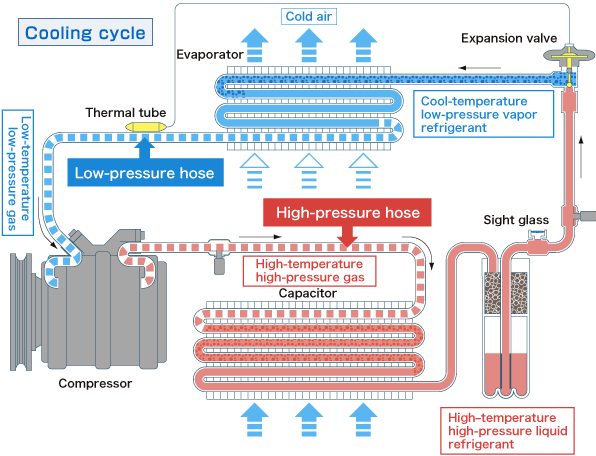
Fixing a ford f350 ac compressor not working issue requires distinguishing between simple electrical faults and complex mechanical failures. Older models usually need a new 10-amp fuse or relay, while 2023–2024 models often require full compressor replacement due to manufacturing defects.
Do not accept a clutch coil swap as a final solution if cooling remains inconsistent. Demand thorough testing, verify parts availability early, and validate repairs with a 20-minute drive test to ensure your truck stays cool when you need it most.


