If your F-150 windshield washer isn’t spraying fluid, you’re not alone. This common issue affects trucks across model years, from early 2000s models to the latest 2022+ versions. While a failed washer pump is often blamed, the real culprit is usually clogged nozzles, kinked hoses, electrical faults, or contaminated fluid buildup. Replacing the pump without proper diagnosis can waste time and money.
The good news: most fixes are DIY-friendly, require basic tools, and take under an hour. Whether you hear the pump running or not, this guide walks you through exact steps to identify and fix the root cause. You’ll learn how to test for power, clear blockages, inspect factory defects, and avoid common misdiagnoses.
Check Washer System Operation First
Listen for Pump Noise
Start by activating the washer switch on your turn signal stalk. Pay close attention to what you hear.
If you hear a humming noise from the engine bay, the pump is receiving power and likely functional. Your issue is mechanical, meaning a clog, leak, or kink is blocking the fluid.
If no sound occurs, the problem is electrical. No power means the fault lies in wiring, connectors, fuses, or control modules.
Turn off the radio and open the hood slightly to better hear the pump near the passenger-side headlamp area.
Verify Fluid Level
Remove the washer fluid reservoir cap, typically located on the driver side, and inspect the level.
Top off with high-quality fluid like Rain-X All-Season if the level is low.
Avoid water-only fills, as mineral deposits and freezing temperatures can damage the system.
Never mix different fluids together, as this can create blue sludge that clogs pumps and nozzles.
Low fluid can cause the pump to run dry and burn out, so always refill before testing.
Perform Quick Checks
Before disassembling anything, try these simple steps.
Clean nozzle tips with a pin or compressed air to remove minor blockages.
Test in warm conditions, as frozen fluid or nozzles in winter can mimic system failure.
Ensure wipers activate properly, because if they do not, the stalk switch may be faulty.
Test for Power at the Washer Pump
Locate the Washer Pump
On most F-150s from 2014 to 2022, the pump sits behind the passenger-side inner fender liner, near the headlamp.
Turn wheels fully right for better access to the fender area.
Remove 5.5mm screws and plastic clips holding the liner in place.
Gently pull back the liner and place a bucket underneath to catch any drips.
The pump is a small black or white plastic unit with a two-wire connector and rubber hose attached.
Check for Voltage
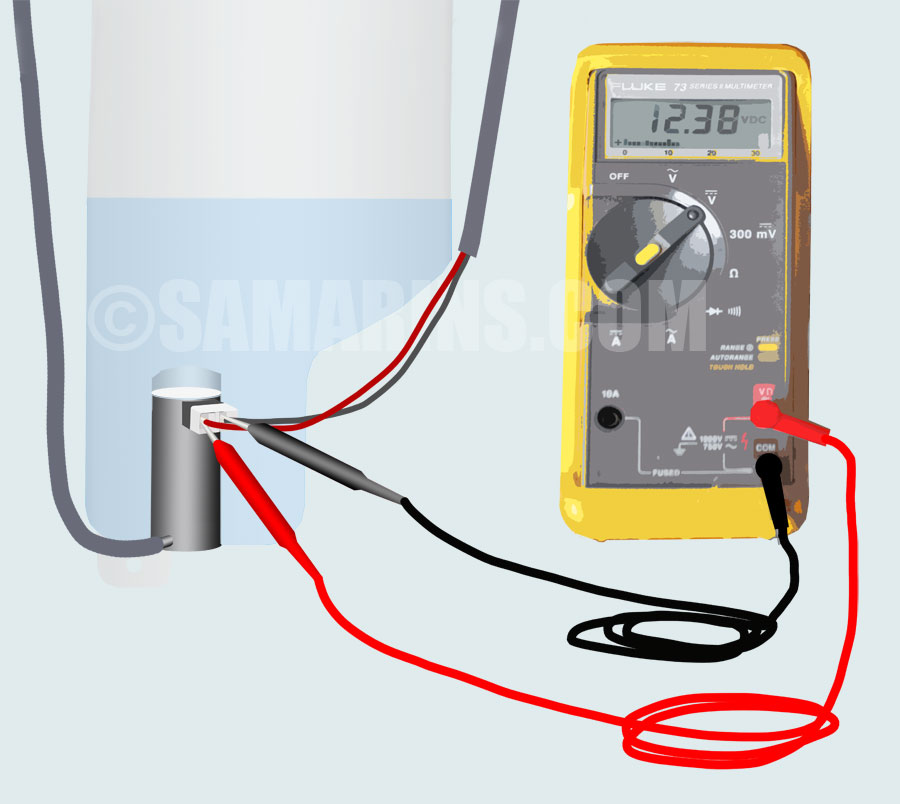
Disconnect the electrical connector from the pump.
Turn the ignition to ON.
Press the washer switch.
Touch your test light or multimeter to the connector terminals to check for 12V when the switch is pressed.
If no voltage is present, the pump is not getting power, so you will need to trace the control circuit.
A working wiper motor does not guarantee washer power, because they share a control circuit but can fail independently.
Inspect Electrical Connections
Inspect the connector for green or white corrosion, bent or pushed-back pins, or debris inside the socket.
Perform a wiggle test by reconnecting and gently shaking the plug while pressing the washer button.
If fluid sprays intermittently, a loose connection is the issue.
Many users report that wiggling the connector suddenly made the system work again, which is common on older trucks with degraded plastic housings.
Diagnose Electrical Control Problems

Understand Fuse Configuration
Many F-150s, especially 2014 and newer models, do not have a dedicated fuse for the washer pump.
Instead, power runs through a fusible link on the yellow wire or a circuit breaker inside the wiper motor assembly.
A blown fusible link would disable multiple systems, so if headlights, wipers, or other accessories work, the link is likely intact.
Pre-2000 models may have washer fuses numbered 2, 6, or 10, so consult your owner’s manual or fuse diagram for your specific model.
Trace the Control Circuit
If no power reaches the pump, the fault is upstream in the control circuit.
The turn signal stalk switch is a common wear point that can fail.
The wiper motor module contains an internal relay for washer control and can fail.
The BCM, or Body Control Module, sends the activation signal and can develop software or hardware issues.
Some 2021 and newer F-150s have an open wiper motor recall that can affect washer operation even if the wipers still work.
Try a BCM Reset
Software glitches can disable accessories, so try a battery reset.
Disconnect the negative battery terminal and wait 10 to 15 minutes.
Reconnect and test the washer system.
Some issues are hardware-based and will not be resolved by a reset, but it is a fast first step worth trying.
Clear Mechanical Blockages
Clean the Washer Pump
If power is present but no fluid sprays, the pump may be clogged.
Disconnect the electrical connector and hose from the pump.
Pull the pump from the reservoir and inspect the inside for thick blue sludge.
Clean the pump by flushing with running water, using a small screwdriver to remove debris, and blowing air through the inlet and outlet.
Dry with paper towel before reinstalling.
Many users report that cleaning the sludge fixed the problem, as clogs are more common than pump failures.
Unclog Nozzles and Hoses
Remove the wiper blades by pressing the release tab and pulling straight off.
Remove plastic push fasteners with a trim tool.
Depress three tabs behind the seal and lift the cowling carefully, as old plastic cracks easily.
Pull hoses from the nozzles, as they release with a gentle tug.
Remove nozzles by pressing the side tabs and lifting up.
Clear clogs using compressed air, electronic contact cleaner straw, or fine wire, being careful not to damage the spray pattern.
Consider replacing plastic nozzles with brass tips, as they resist clogging and last longer.
Fix Kinked or Damaged Hoses
Inspect the entire hose run for damage.
Factory kinks have been reported on 2022 models, and dealers corrected these under warranty.
Cracked Y-connectors cause leaks and pressure loss.
Brittle plastic from heat and UV exposure can crack or disconnect.
Replace damaged components with a new hose kit, brass Y-connector, and OEM or high-quality aftermarket parts.
Replace Faulty Components
Test the Pump Before Buying
Remove the pump and bench-test it to confirm it is actually bad.
Connect a 12V power source, such as a battery, to the pump wires.
Submerge the outlet in fluid or point it into a cup.
If it sprays, the pump is good, but it is not getting power in the vehicle.
If it is silent, the pump is dead and needs replacement.
Some users report that new OEM pumps failed, so verify that power is reaching the pump before assuming replacement fixed the issue.
Install a New Pump
Purchase an OEM or high-reliability aftermarket pump, avoiding cheap no-name brands.
Insert the pump into the reservoir and reconnect the hose.
Plug in the electrical connector and reattach the fender liner.
Test the system immediately rather than waiting until full reassembly is complete.
Follow Model-Specific Procedures
2014 F-150 Notes
The 2014 model does not have a dedicated washer fuse, as the circuit is protected by a fusible link or wiper motor breaker.
Access the pump by removing the inner fender liner near the passenger headlamp.
A common issue is connector corrosion, so clean the contacts and seal with dielectric grease.
2021 to 2022 F-150 Considerations
Washer control on these models routes through the BCM and wiper module.
OTA update failures can disable accessories, so check for pending software updates.
Visit the Ford Owner Portal to check for open wiper motor recalls, as this may affect washer operation even if wipers seem fine.
Some 2022 models had factory kinked hoses that dealers fixed under warranty.
Pre-2000 F-150 Requirements
Check fuses number 2, 6, or 10 for the washer circuit.
Inspect the circuit breaker inside the wiper motor.
Test a separate washer relay if your model has one.
Reassemble and Test the System
Put Everything Back Together
Reattach the hose and electrical connector to the pump.
Secure the inner fender liner with the original screws and clips.
Reinstall the cowling and align the weather seal properly.
Snap the wiper blades back on in the downward position to maintain alignment.
Ensure the washer switch is OFF before reattaching wipers to prevent accidental activation.
Perform a Final Function Test
Start the vehicle and activate the washer switch.
Observe for strong, even spray across the windshield.
Check for no leaks at hose connections.
Verify consistent pressure without sputtering.
If spray is weak, recheck for partial clogs, verify no kinks in the hose, and confirm the reservoir is full.
Prevent Future Washer Failures
Maintain Proper Fluid
Use high-quality washer fluid like Rain-X All-Season or de-icer in winter.
Never use water-only fills, as this leads to algae, sludge, and freezing damage.
Avoid off-brand fluids, as some can form gunk over time.
Flush the System Regularly
Every 12 months, drain old fluid and fill with clean water.
Run the system until the tank is empty.
Refill with fresh washer fluid.
In cold climates, flush twice a year, once before and once after winter.
Inspect Components Periodically
Every three months, check the spray pattern for even coverage.
Clear nozzle clogs with air or cleaner.
Adjust nozzle aim if needed.
Apply dielectric grease to the pump connector during maintenance to prevent corrosion and extend connector life.
Frequently Asked Questions About F-150 Windshield Washer Problems
Why does my F-150 washer pump run but no fluid sprays?
This typically indicates a mechanical blockage rather than pump failure. Check for clogged nozzles, kinked hoses, or thick blue sludge inside the pump housing. Cleaning these components usually restores function.
How do I check if my washer pump is getting power?
Access the pump connector behind the passenger-side fender liner. Use a test light or multimeter to check for 12V at the connector when the washer switch is pressed. No voltage means an electrical issue upstream.
Does the F-150 have a washer pump fuse?
Most 2014 and newer F-150s do not have a dedicated washer fuse. The circuit is protected by a fusible link or circuit breaker inside the wiper motor. Check your owner’s manual for model-specific fuse locations.
Can a BCM issue cause washer failure?
Yes, the Body Control Module sends the activation signal to the washer pump. Software glitches can disable the function. Try a battery disconnect reset for 10 to 15 minutes to clear potential BCM issues.
What causes blue sludge in the washer system?
Mixing different washer fluids or using low-quality fluids creates chemical reactions that produce thick blue sludge. This clog blocks the pump and nozzles. Always use fresh, high-quality fluid and avoid mixing brands.
Should I replace with OEM or aftermarket parts?
OEM pumps are recommended for reliability, but even new OEM units can sometimes fail. Aftermarket pumps vary widely in quality. For nozzles and hoses, brass components last longer than plastic originals.
Key Takeaways for Fixing Your F-150 Washer System
Most F-150 windshield washer failures are not pump problems. They are clogs, kinks, electrical gremlins, or connector issues that you can fix yourself with basic tools.
Always test for power at the pump connector before replacing parts. If 12V is present but no fluid sprays, the pump is likely clogged, not failed.
Follow the diagnostic sequence: check fluid, listen for the pump, test for voltage, inspect for clogs, then replace components only when necessary.
Use quality washer fluid year-round, flush the system annually, and apply dielectric grease to connectors to prevent future failures.