Your 2016 F250 windshield wiper won’t turn off, and the stalk is already in the OFF position. This frustrating electrical glitch affects many Super Duty owners, often leaving wipers stuck cycling in intermittent mode long after you wanted them to stop. Beyond the annoyance, the issue can drain your battery overnight or signal water damage affecting other systems like your headlights.
The fix is usually straightforward and affordable. Most cases trace back to a failing multi-function switch, water intrusion from a clogged sunroof drain, or a simple control module glitch that a reset can clear. This guide walks you through diagnosis and repair in order from least to most invasive, so you spend less time guessing and more time driving with working wipers.
Diagnose the Root Cause Before Replacing Parts
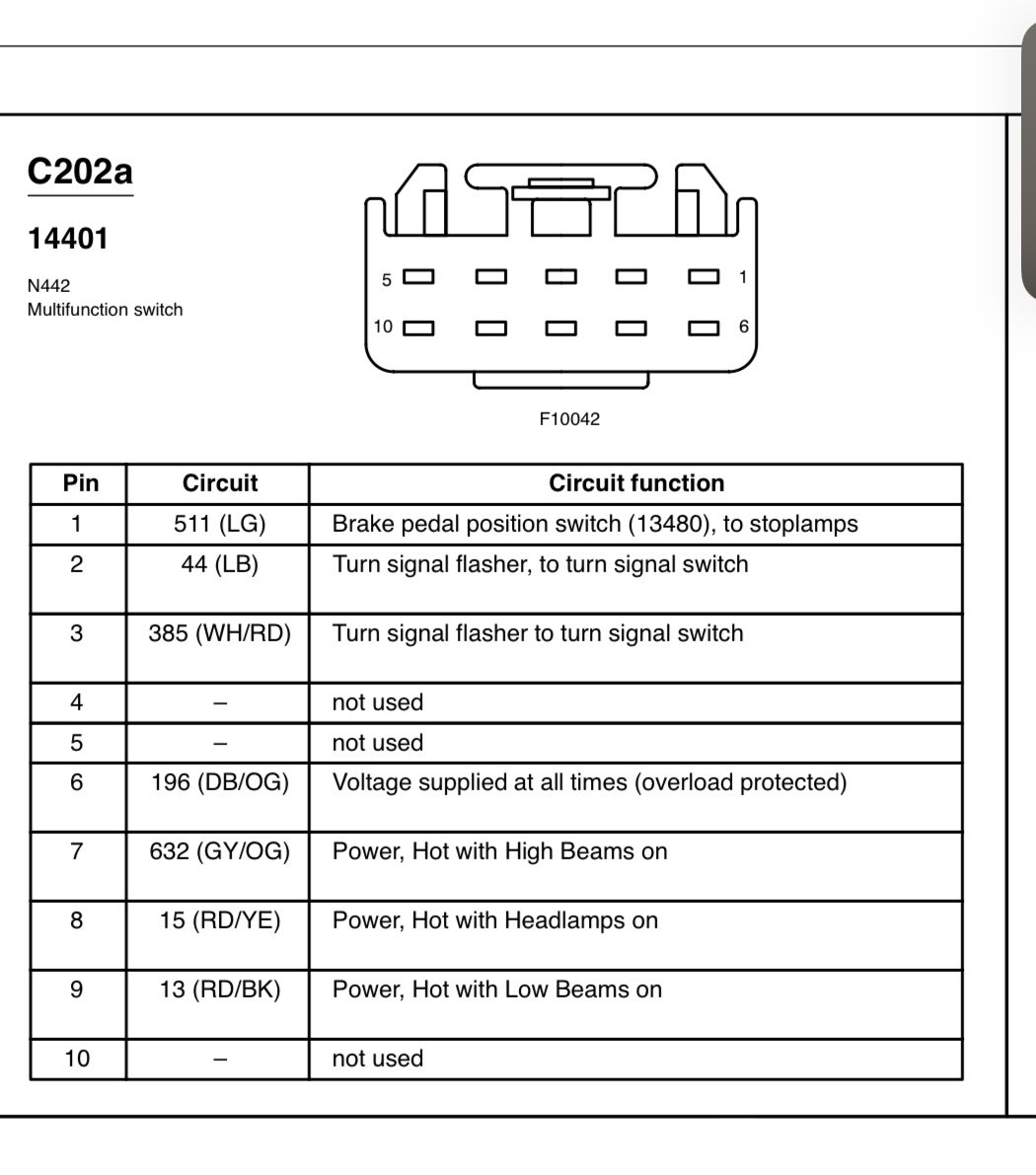
Before buying components, confirm what’s actually causing your 2016 F250 windshield wiper to stay on. Three culprits account for nearly every case: a faulty multi-function switch, water damage to electrical modules, or a temporary logic lock-up. Each requires a different repair, so testing first saves money and prevents unnecessary work.
Test the Wiper Stalk Behavior
Start with a physical manipulation test that takes 30 seconds. Move the wiper control stalk rapidly through every position and snap it firmly back to OFF. Repeat this several times in quick succession. If the wipers stop, even temporarily, the internal contacts in your multi-function switch are sticking or shorting.
Look for these confirming signs:
– Wipers activate on their own right after startup
– Intermittent mode stays active with no input
– Wipers fail to park properly when switched off
If this test stops the wipers briefly, the switch is almost certainly failing. If nothing changes, move on to electrical resets.
Perform a 15-Minute Battery Disconnect Reset

A hard reset clears temporary logic errors in your truck’s control modules. This works especially well if the problem started after a jump-start, battery swap, or long storage period.
Disconnect the Negative Terminal Safely
- Turn off the ignition and remove the key.
- Pop the hood and locate the 12V battery.
- Loosen the nut on the negative terminal (black cable marked with a minus sign).
- Tuck the cable away from the battery post so it can’t accidentally reconnect.
- Wait 15 minutes for capacitors and modules to fully discharge.
- Reconnect the negative cable and tighten the nut securely.
- Start the truck and test wiper operation.
Important: If you recently installed a new battery, Ford’s Battery Management System needs an 8-hour sleep cycle to recalibrate. Lock the truck, leave it completely undisturbed, and don’t open doors or use the key fob during this window. Skipping this step can cause wipers, lights, and other electronics to behave erratically.
Try the 24-Hour Fuse Pull Method

When a battery disconnect doesn’t do the job, a deeper reset through fuse isolation sometimes works. This method forces the wiper control module to fully power down and clear any stubborn logic loops.
Remove the Wiper Fuse
- Find your fuse box, typically under the dash on the driver’s side or in the engine compartment.
- Check the diagram on the fuse box cover for the windshield wiper fuse, usually labeled “WIPER” or “WIPER MOTOR.”
- Pull the fuse using fuse pullers or needle-nose pliers.
- Leave the fuse out for a full 24 hours.
- Reinstall the fuse and test whether the wipers behave normally.
If the wipers stop running after this reset, you cleared a logic lock-up. If they immediately resume their nonstop cycle, the problem is hardware-based and requires component inspection.
Inspect for Water Intrusion in the Fuse Box
If your F250 has a sunroof and you’re also seeing headlights stuck in auto mode during daylight, water damage is a strong suspect. Clogged or disconnected sunroof drains can channel water down the passenger-side A-pillar and directly into your fuse box.
Check for Moisture and Drain Problems
- Open the passenger door and feel the footwell carpet for dampness.
- Remove the lower dash panel if needed to expose the fuse box area.
- Look for standing water, white mineral stains, or green corrosion on wiring terminals.
- Locate the sunroof drain tubes (front and rear) and confirm they’re connected and draining.
If you find water:
– Dry the area thoroughly with towels and a fan
– Clean corroded contacts using electrical contact cleaner
– Flush the sunroof drains with warm water using a turkey baster
– Reconnect any loose drain hoses
Pro Tip: Clean your sunroof drains every six months, especially if you park under trees or in dusty environments. This five-minute task prevents thousands of dollars in electrical damage.
Replace the Multi-Function Switch
When resets fail and no water damage exists, the multi-function switch (your turn signal and wiper stalk) is the prime suspect. This is the most common fix for a 2016 F250 windshield wiper that won’t turn off, and the repair is well within DIY territory.
Confirm You Need This Part
Replace the switch if:
– Wipers run continuously with the stalk in OFF
– Twisting the stalk temporarily stops them
– No other electrical issues like stuck headlights are present
These symptoms point directly to internal contact failure.
Swap Out the Wiper Stalk
Tools needed: Phillips screwdriver and a plastic trim tool (optional)
Replacement steps:
1. Turn off the ignition and remove the key.
2. Remove the two screws under the steering column cover beneath the steering wheel.
3. Gently pry apart the upper and lower halves of the column shroud.
4. Unplug the electrical connector from the back of the multi-function switch.
5. Remove the mounting screws holding the switch to the column.
6. Pull out the old switch and seat the new one in place.
7. Reconnect the plug, reassemble the shroud, and tighten all screws.
8. Test wiper operation across all settings.
Part tip: Search for “2016 F250 multi-function switch” or “wiper turn signal stalk.” Quality OEM and aftermarket options typically run $50 to $120. Avoid the cheapest knockoffs because poor internal contacts can cause the exact same failure within months.
Prevent Future Wiper and Electrical Failures
Once your wipers work correctly, a little maintenance keeps them that way and protects related systems from cascading damage.
Maintain Sunroof Drains Twice a Year
Clogged drains are silent killers of Ford electrical systems. Every six months:
– Pour water into the sunroof channels and confirm it drains quickly
– Use compressed air or a thin wire to clear stubborn blockages
– Check that drain hoses remain connected at the A-pillar
Follow Battery Replacement Protocol Strictly
After installing a new battery:
– Lock the vehicle completely
– Leave it untouched for 8 full hours
– Avoid opening doors, using the fob, or plugging in accessories
This allows the BMS to relearn the battery’s charge state and prevents electrical gremlins across multiple systems.
Watch for Early Warning Signs
If wipers start behaving erratically, such as delayed shutdown, inconsistent speeds, or failure to park, inspect the multi-function switch right away. Catching the problem early prevents full failure and reduces the chance of water-related complications developing.
Frequently Asked Questions About 2016 F250 Wiper Problems
Why won’t my 2016 F250 windshield wiper turn off even when the switch is off?
The most common cause is a failing multi-function switch (the turn signal/wiper stalk). Internal contacts wear out or stick, sending a continuous “on” signal to the wiper motor regardless of the lever’s physical position. Water intrusion from clogged sunroof drains and BMS relearning issues are secondary causes.
Can a dead battery cause wipers to stay on?
Yes, indirectly. After a battery replacement or jump-start, the Battery Management System needs an 8-hour locked sleep cycle to recalibrate. Without it, electrical systems including wipers and lights may behave erratically until the relearning completes.
How much does it cost to fix wipers that won’t turn off on a 2016 F250?
A replacement multi-function switch typically costs between $50 and $120 for the part. Since installation is straightforward and takes about 30 minutes, most DIYers complete the repair for under $150 total. Dealership labor would add $100 to $200 to that estimate.
Will pulling the fuse stop my wipers immediately?
Yes, removing the wiper fuse cuts power to the wiper motor circuit and stops operation. This makes the fuse pull method both a diagnostic tool and a temporary fix while you source replacement parts.
How do I know if water damage caused my wiper problem?
Check the passenger-side footwell and fuse box area for moisture, mineral stains, or corrosion. If your truck has a sunroof and you’re also experiencing headlights stuck in auto mode during daylight, water intrusion is highly likely. Clogged sunroof drains are the usual entry point.
Is the multi-function switch hard to replace on a 2016 F250?
No, it’s considered a simple, fast repair. You remove the steering column shroud, unplug the old switch, and install the new one. Most DIYers complete the job in 20 to 30 minutes with basic tools like a Phillips screwdriver.
Key Takeaways for Fixing Your 2016 F250 Wiper Problem

A 2016 F250 windshield wiper that won’t turn off is usually fixable without dealership visits. Start with the stalk manipulation test to identify switch failure, then try a 15-minute battery disconnect or 24-hour fuse pull to clear logic errors. If those don’t work, inspect for water intrusion from clogged sunroof drains before replacing the multi-function switch, which resolves the majority of cases.
Your next step is simple: perform the stalk test right now. If twisting the control lever temporarily stops the wipers, order a replacement multi-function switch and set aside 30 minutes this weekend for the repair. You’ll restore reliable wiper control and protect your truck’s electrical system from the cascading failures that water damage and stuck switches can cause.