
If your Ford F-150 is shifting roughly, slipping gears, or shuddering around 2,000 RPM, the issue might be as simple as low or degraded transmission fluid. Knowing how to check transmission fluid in an F-150 is one of the most effective ways to prevent costly transmission repairs. Unlike many vehicles, the F-150’s fluid check method changes significantly depending on the model year. Some use a traditional dipstick, while newer models rely on a plug-based system underneath the truck.
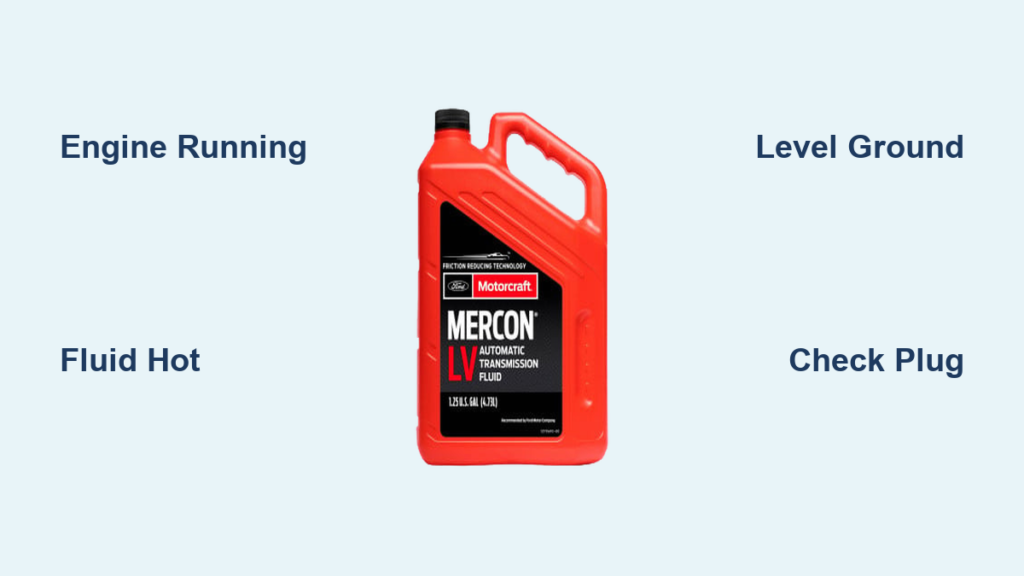
The key to an accurate check is engine running, transmission hot, and vehicle on level ground. Whether you’re working on a 2001 model with an easy-to-reach dipstick or a 2023 F-150 with a hidden check plug, this guide walks you through every step, tool, and safety tip you need.
Find the Dipstick or Check Plug for Your Model Year

Pre-2011 Models: Engine Bay Dipstick
For F-150 trucks built before 2011, checking transmission fluid starts under the hood. The dipstick is located on the passenger side, near the back of the engine or front of the transmission. It has a yellow or red handle labeled Transmission Fluid. This works like a traditional dipstick. Pull it out, wipe it, reinsert, and check the level just like engine oil.
Both cold and hot level markings are clearly labeled. However, only the hot reading is reliable. Cold checks can mislead you into thinking fluid is at the correct level when it’s actually low. Always warm up the engine first before checking.
2011 and Newer: Under-Vehicle Check Plug
Starting in 2011, Ford eliminated the engine bay dipstick on most F-150 models. That does not mean there is no way to check the fluid. It just means you have to go under the truck.
The check/fill plug is located on the passenger side of the transmission housing. It looks like a hex bolt and contains a short dipstick on its underside. This is not just a drain plug. It is a calibrated access point that allows you to measure fluid level at operating temperature.
You must lift the vehicle safely using a floor jack and jack stands. The truck must be level, and the engine must remain running during the entire check.
Model Year Quick Reference
| Model Year | Check Method | Visual Clue |
|---|---|---|
| 2001–2010 | Engine bay dipstick | Red or yellow handle under hood |
| 2011–2013 | May still have dipstick | Verify location first |
| 2014–2023+ | Under-vehicle plug | No dipstick in engine bay |
If you do not see a dipstick under the hood, your F-150 uses the plug method.
Prepare the Vehicle Correctly
Warm Up the Transmission Fully
Idling the engine is not enough. To get an accurate reading, drive your F-150 for 10 to 15 minutes under normal conditions. This circulates the fluid and brings it to the correct temperature range of 179°F to 195°F.
Cold fluid contracts and gives a falsely high reading on older dipsticks. Hot fluid expands and reveals the true operating level. Skipping this step leads to incorrect diagnoses.
One user reported that when checking cold, the dipstick showed full. When checking hot, nothing showed at all. The truck was dangerously low.
Park on Level Ground
An uneven surface skews the fluid level. Park on a flat, level driveway or surface. For best results, use a bubble level across the truck’s frame or hood to confirm it is not tilted.
Keep the Engine Running
This is non-negotiable. The transmission pump only circulates fluid when the engine is running. If you turn it off, fluid drains back into the pan, giving a false low reading. This applies to all models, including pre-2011 trucks with the easy-to-reach dipstick.
Cycle Through the Gears
Before checking, cycle the transmission to ensure full pressurization. Hold each gear position for 3 to 5 seconds. Start with Drive, then Neutral, then Reverse, and return to Park. This primes the system and ensures fluid reaches all components including the torque converter.
Check Fluid Level: Step-by-Step
For Pre-2011 Models: Use the Engine Dipstick
- Start the engine and let it idle.
- Locate the transmission dipstick on the passenger side.
- Pull it out completely and wipe clean with a lint-free rag.
- Reinsert fully, pushing all the way down until seated.
- Pull out again and read the level on both sides of the stick.
- Look for the markings. The A mark means low or add. The B mark means full or high. The ideal level is midway between A and B.
If the level is below A, add Mercon LV or compatible fluid in 1/4-quart increments, rechecking each time. Never overfill. Excess fluid can foam, build pressure, and damage seals.
For 2011+ Models: Use the Under-Vehicle Plug
- Drive 10 to 15 minutes to warm up the fluid.
- Park on level ground and keep the engine running.
- Shift through Drive, Neutral, Reverse, and back to Park.
- Safely lift the vehicle using a floor jack and jack stands.
- Locate the 17mm or 19mm hex plug on the passenger side of the transmission.
- Clean the area thoroughly to prevent debris from entering.
- Loosen the plug slightly but do not remove it fully.
- Pull it down just enough to expose the dipstick on the underside.
- Check the fluid level against the internal grid.
For the hot check, fluid should be at or just below the top of the grid. For the cold check, it should reach the bottom of the grid, though this is not reliable. For 3.5L EcoBoost models from 2021 to 2023, the level must be between marks 3 and 4.
Use an infrared thermometer to verify fluid temperature near the plug. Target 185°F with a tolerance of plus or minus 10°F.
Add Fluid If Needed
If the level is low, use a fluid pump or syringe with a flexible tube to add Mercon LV slowly through the fill hole. Add 1/4 to 1/2 quart at a time. Wait 30 seconds for drainage, then recheck.
You are adding cold fluid to a hot system. Do not overfill. The level will rise as the fluid warms. Recheck after each addition.
Once correct, reinstall the plug and torque to 15 to 25 ft-lbs. Consult your service manual for the exact specification. Lower the vehicle carefully.
Assess Fluid Condition Accurately

What Good Fluid Looks Like
Healthy transmission fluid has a pinkish or reddish color. It has a slight petroleum odor and a smooth, not gritty texture. This indicates proper lubrication and friction properties.
Signs of Trouble
Dark brown or black fluid indicates oxidation, overheating, or old fluid. A burnt smell points to clutch material degradation. Metal particles mean internal transmission damage. Milky or foamy fluid indicates coolant or water contamination from a radiator leak. Fresh residue near a seal suggests an external spill or leak.
A shudder at 2,000 RPM in 4th, 5th, or 6th gear is often linked to low or degraded fluid. Fix the level first. Many times, the shudder disappears once the fluid is corrected.
Use the Correct Fluid and Tools
Recommended Transmission Fluid
Ford Mercon LV is the OEM specification for 6R80 and 10R80 transmissions from 2011 onward. Amsoil Multi-Vehicle Synthetic ATF is a high-performance alternative, especially for older models.
Do not substitute with Dexron or Mercon V. These can damage modern F-150 transmissions.
Essential Tools List
You will need a 17mm or 19mm socket or wrench. A swivel ratchet is recommended for better access. You also need a floor jack and jack stands to lift the vehicle safely. Have clean lint-free rags ready. A fluid pump or syringe with a tube is necessary for adding fluid. Wear heat-resistant gloves because exhaust manifolds get extremely hot. A magnetic LED light helps with visibility under the truck. An infrared thermometer is optional but helpful for verifying temperature.
One user warned that it sucks getting the transmission to temperature and checking. You can burn the shit out of your arms. Work quickly and wear protection.
Avoid Common Mistakes
Checking with Engine Off
This is the number one error. Turning off the engine causes fluid to drain back, showing a false low level. Always keep the engine running during the entire process.
Ignoring Temperature
Cold checks are useless. Fluid expands when hot. Only a hot reading reflects real operating conditions.
Overfilling the Transmission
Adding too much fluid is just as bad as being low. Overfilling causes foaming, pressure buildup, and seal damage. Add fluid in small increments and recheck each time.
Misreading the Plug Dipstick
On newer models, the dipstick is short and markings are subtle. Use a flashlight and clean the plug thoroughly. For 3.5L EcoBoost models, the level must be between marks 3 and 4, not full to the top.
Using the Wrong Wrench
A standard socket may not fit due to tight clearance. Use a 19mm box wrench or swivel-head ratchet for better access.
Troubleshoot Common Symptoms
No Fluid on Dipstick When Hot
If the dipstick shows nothing after warming up and cycling gears, recheck with the engine running. Verify you reinserted the dipstick fully. If still low, add fluid gradually and recheck. This often indicates severe underfill or an internal leak.
Transmission Shudder at 2,000 RPM
This is a common complaint in 4th through 6th gears. Causes include low fluid level, degraded fluid, or a torque converter lock-up issue. Check and correct the fluid level and condition first. A transmission additive may help temporarily, but a fluid change is often the permanent solution.
Difficulty Accessing the Check Plug
Tight space, heat, and awkward angles make this challenging. Use a swivel ratchet. Wear heat-resistant gloves. Let the truck cool slightly but re-warm before the final check. Use a magnetic light to spot the plug.
Inconsistent Readings
If levels vary between checks, ensure the vehicle is level. Confirm the engine is hot and running. Wipe and reinsert the dipstick fully each time. Check 2 to 3 times for consistency.
Frequently Asked Questions About Checking F-150 Transmission Fluid
How often should I check my F-150 transmission fluid?
Check transmission fluid every 15,000 to 30,000 miles, especially if you tow or haul frequently. More frequent checks are recommended for severe duty driving.
Can I check transmission fluid on my 2018 F-150 without a dipstick?
Yes. Your truck has a check plug on the passenger side of the transmission. You must lift the vehicle to access it. The plug contains a small dipstick on its underside.
What happens if I overfill the transmission fluid?
Overfilling causes foaming, pressure buildup, and seal damage. It can lead to rough shifting and internal damage. Add fluid in small increments and always recheck.
Why does my F-150 shudder at 2,000 RPM?
This shudder, especially in 4th, 5th, or 6th gear, is often caused by low or degraded transmission fluid. Check the level first. A fluid change often resolves this issue.
What type of transmission fluid does my F-150 need?
Ford Mercon LV is the recommended fluid for most 2011 and newer F-150s with 6R80 or 10R80 transmissions. Consult your owner’s manual or a Ford workshop manual for model-specific requirements.
Key Takeaways for Maintaining Your F-150 Transmission
Checking transmission fluid in your F-150 is not hard, but it must be done correctly. Whether you are using a dipstick or a check plug, follow the core rules. The engine must be running. The transmission must be hot. The vehicle must be on level ground. Use clean tools and the correct fluid type.
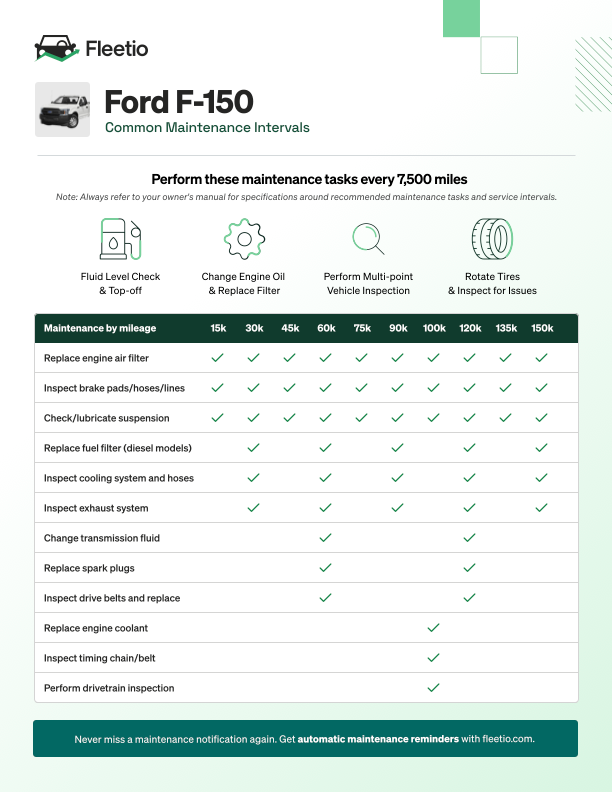
Check every 15,000 to 30,000 miles, especially if you tow or haul. A few minutes of maintenance can save you thousands in repair bills. When in doubt, consult Alldata or Ford’s official workshop manual. These are the most accurate sources for model-specific specifications.


