

Adding a fuel additive to your Ford F-150 should be simple, but if you own a 2011 or newer model, you have likely discovered it is not as easy as unscrewing a cap and pouring. Modern F-150s use a capless fuel filler system that blocks standard additive bottles from opening the internal flap. Attempting to pour directly often results in messy spills and wasted product. The good news is that there is a reliable, spill-free way to do it using the right tool and technique.
This guide shows you exactly how to add fuel additive to a Ford F-150 safely and effectively. You will learn why direct pouring fails, how to use Ford’s built-in solution, and what tools work best. Whether you are using Chevron Techron, Lucas Fuel Treatment, or Sea Foam, this method ensures every drop gets inside your tank where it belongs.
Why Ford F-150 Capless Systems Block Additive Bottles
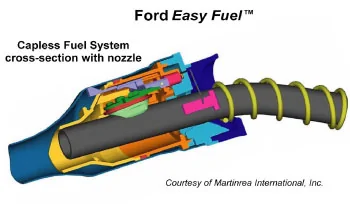
The Ford F-150, particularly models from 2011 onward, is equipped with a capless fuel filler system. This design eliminates the traditional fuel cap by using an internal flap mechanism that seals the fuel tank. While this system helps prevent fuel theft and reduces the risk of driving off without replacing a gas cap, it introduces challenges when attempting to add fuel additives.
The filler neck contains internal detents, which are spring-loaded tabs that must be simultaneously depressed to allow the inner flap to open. These detents are designed to be activated by the shape and pressure of a standard gas pump nozzle. However, most fuel additive bottles have shorter, narrower necks that do not extend far enough into the filler tube to engage both detents.
Why Standard Bottles Fail
The necks of most fuel additive containers do not reach far enough into the filler tube to depress both internal detents. Even pressing harder on the bottle fails because both detents must be engaged simultaneously for the flap to release. Unlike a gas pump nozzle, which is designed with precise dimensions and rigidity, plastic additive bottles flex and cannot apply the necessary force in the correct locations.
One F-150 owner reported: “I inserted the fuel additive bottle filler neck into the fuel filler neck, and the only thing that happened was fuel additive spilled out around the filler neck and ran onto the ground.”
Locating the Factory Emergency Funnel in Your F-150
Ford includes a long-neck emergency funnel stored within the vehicle, typically in the jack compartment in the trunk or cargo area. This funnel is specifically designed to work with the capless fuel system.
Find the Emergency Funnel
Check the jack storage compartment in your truck. The funnel is usually gray or black, about 8 inches long, with a narrow spout. It is designed specifically to engage the internal detents in the capless fuel system.
One user explained: “The neck on the bottle is the exact same size as the emergency funnel that is located with the jack.”
If you have never seen it, retrieve it now and keep it accessible. This funnel is your best tool for adding fuel additives or transferring fuel from cans.
Step-by-Step Process to Add Fuel Additive
Follow these steps to safely and effectively add fuel additive to your Ford F-150.
The Correct Procedure
Park on level ground and turn off the engine. Locate the factory emergency funnel stored with jack and tools in your truck. Insert the funnel fully into the filler neck until resistance is felt, which indicates contact with the flap.
Apply firm, even pressure straight in, not angled, to depress both detents simultaneously. Listen for a click or feel for release. The flap should open with a slight drop or give. Pour the fuel additive slowly into the funnel. Wait 10 to 15 seconds after pouring to ensure complete drainage. Remove the funnel and close the fuel door.
Pro Tip: Add additive before refueling at the pump. This ensures it mixes thoroughly with fresh fuel and cleans injectors on the first pass.
Using an Aftermarket Funnel for Capless Fuel Systems

If the factory funnel is missing or damaged, a long-neck funnel specifically designed for capless fuel systems can be purchased separately.
Choose the Right Funnel
Look for these features when selecting an aftermarket funnel.
Minimum length of 6 to 8 inches to clear internal barriers. Narrow, tapered spout to fit within the restricted filler opening. Compact funnel body to avoid interference with the vehicle bodywork during insertion. Rigid plastic or metal construction for durability.
Available at auto parts stores such as O Reilly and AutoZone, as well as Amazon and Ford dealerships. Prices start at around $5.99. This type of funnel works not only for fuel additives but also for transferring gasoline from portable fuel cans, especially those with short pour spouts.
Manual Detent Release (Emergency Method)
In the absence of a proper funnel, some owners have used improvised techniques to manually open the flap. This method is not recommended for regular use.
How to Manually Open the Flap
Insert a screwdriver or similar tool to press one detent. Simultaneously insert a narrow funnel or rigid tube to press the second detent. Once both are depressed, the inner flap opens, allowing additive to be poured.
This method carries risks. It may damage the internal mechanism or introduce debris into the fuel system. It should only be considered in emergencies when no funnel is available.
Best Fuel Additives for F-150 Engines
Use high-quality treatments to maintain performance, especially in 3.5L EcoBoost, 5.0L V8, or high-mileage trucks.
Top Recommended Brands
Chevron Techron Concentrate Plus cleans injectors, prevents carbon buildup, and improves fuel economy. Lucas Fuel Treatment lubricates the fuel system, stabilizes fuel, and reduces knocking. Sea Foam Motor Treatment cleans valves and combustion chambers, making it ideal for older engines.
Use these additives every 3,000 to 5,000 miles or with each oil change for best results.
Model Year Compatibility and Variations
There is variation in user experience across F-150 model years, suggesting potential design changes or inconsistencies in detent sensitivity.
Compatibility by Year
2011 through 2015 models have the first-generation capless design with consistent mechanism. 2016 through 2020 models have improved sealing but still require the long funnel. 2021 through 2023 models show variable results, with some owners reporting easier access while others still require the funnel.
One 2022 F-150 owner noted: “My 2022 F-150 lets some bottles in easier, but I still use the funnel.”
Regardless of year, using the funnel is the only guaranteed method for success.
Why Ford Uses Capless Fuel Systems
While the capless system complicates additive use, it offers real benefits that make the trade-off worthwhile.
Security and Convenience Benefits
The system prevents fuel theft through siphoning because there is no cap to unscrew. It eliminates lost or damaged fuel caps and reduces the risk of improper sealing, which can trigger EVAP system faults. The system also acts as a deterrent against malicious tampering, such as inserting foreign objects or contaminants into the tank.
One owner explained: “A little security for the F-150 haters out there. I hate to have some weird crap stuffed in my fuel tank due to the capless setup.”
Common Mistakes to Avoid When Adding Additive
Do not make these errors when adding fuel additive to your Ford F-150.
Forcing the bottle neck into the filler leads to spills and frustration. Using a wide or short funnel will not open the flap. Pouring too fast causes backflow and splashing. Adding additive after filling the tank reduces mixing efficiency. Leaving the funnel in the truck bed means losing it when you need it most.
Keep a dedicated funnel for additives. Some owners purchase a second one to avoid cross-contamination between fuel and treatment products.
Final Tips for Successful Additive Use
Always use the factory funnel if you have it because it is engineered for compatibility. Store the funnel in the cab or center console for easy access rather than in the bed or trunk. Add additive before pumping gas for best mixing and cleaning results. Inspect the funnel for cracks and replace if damaged. Clean the funnel after use to prevent residue buildup.
One owner shared: “Learn something new every day, but who would have thought we had to learn how to use our capless gas fill to add stuff to our tank?”
Frequently Asked Questions About Adding Fuel Additive to Ford F-150
Why does my fuel additive bottle not work in my F-150?
Most fuel additive bottles have necks that are too short to reach the internal detents in the capless fuel system. Both detents must be pressed simultaneously for the flap to open, which standard bottles cannot achieve.
Where is the factory emergency funnel located?
The factory emergency funnel is stored in the jack storage compartment, typically in the trunk or cargo area of your F-150. It is usually gray or black and about 8 inches long.
Can I use any funnel to add fuel additive?
No. You must use a long-neck funnel that is at least 6 to 8 inches long with a narrow spout. Standard funnels are too short to reach the internal detents and will not open the flap.
Do all model years require the funnel?
Yes. The capless system has been standard since 2011, and all model years from 2011 through 2023 require either the factory funnel or a compatible aftermarket long-neck funnel for successful additive addition.
What happens if I pour additive without using a funnel?
The additive will likely spill down the outside of the filler neck and onto the ground rather than entering the tank. This wastes your product and creates a mess.
Key Takeaways for Adding Fuel Additive to Your Ford F-150
Adding fuel additive to a modern Ford F-150 requires more than simply pouring from the bottle. The capless fuel system with its internal detent-activated flap mechanism blocks short-neck containers, leading to spillage and frustration when improper methods are used.
The correct and reliable method is to use either the factory-provided long-neck emergency funnel or a compatible aftermarket long-reach funnel. These tools engage the detents properly, open the flap, and allow clean, spill-free delivery of fuel additives into the tank.
Understanding this system prevents avoidable messes, protects the integrity of your fuel system, and ensures optimal performance from fuel treatments. Keep the funnel handy, follow the steps outlined in this guide, and your F-150 will run cleaner, smoother, and stronger for years to come.


