
Owning a 2016 Ford F-350 diesel means you have a powerful workhorse, yet specific 2016 Ford F350 diesel problems can sideline this heavy-duty truck if ignored. From cooling system pressure spikes to dangerous steering vibrations, these known issues require your immediate attention to prevent costly damage.
This guide details the top five failures including radiator leaks, oxygen sensor codes, and fuel tank lining breakdowns. You will learn how to diagnose root causes quickly and apply proven repairs that keep your Super Duty running reliably for years.
Coolant Leaks Caused by Thermostat Bypass Pressure
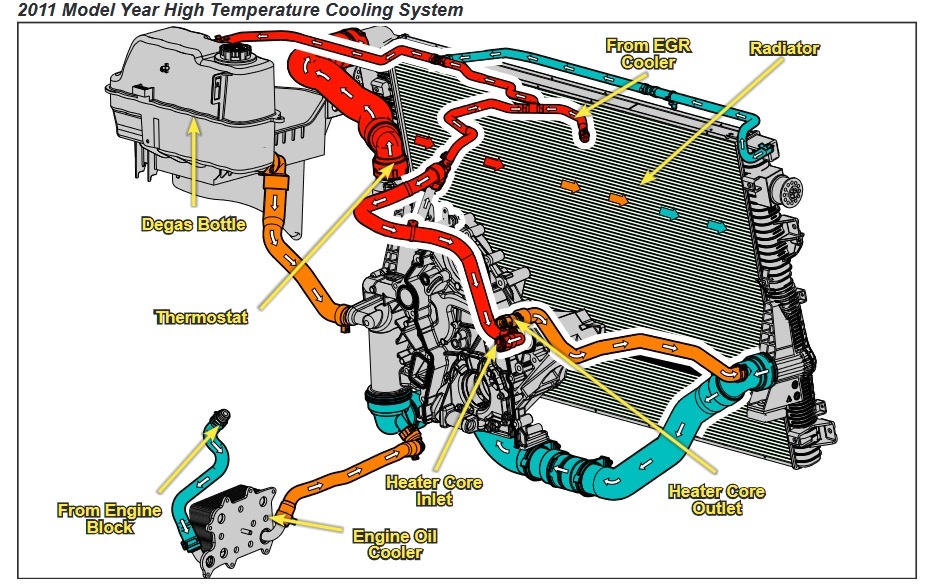
Your 2016 F-350 may lose coolant without any visible hose ruptures or obvious external damage. The root cause often lies in the thermostat bypass system which creates dangerous pressure spikes during normal engine operation. These spikes stress the radiator core and housing until plastic end caps separate from the aluminum or microfractures develop.
Signs Your Radiator Is Failing
You might notice puddles forming under the front of the truck after shutting down the engine. A distinct sweet coolant smell often appears when idling or stuck in traffic. Your temperature gauge may fluctuate unexpectedly while driving under load. White smoke might vent from the overflow tank during warm-up cycles.
Complete Cooling System Replacement Steps
Replacing only the radiator rarely solves the issue long-term because the bypass system drives the pressure problem. You must replace the radiator, thermostat, and housing together to ensure a lasting fix.
1. Drain the cooling system completely before removing any components.
2. Remove the old radiator and inspect the bypass hose assembly for wear.
3. Install a new OEM-spec radiator and thermostat housing unit.
4. Replace the thermostat and bypass hose if they show any signs of age.
5. Refill the system and perform a pressure test at 15 to 20 psi to confirm seals hold.
Pro Tip: Use a dedicated cooling system pressure tester to find leaks before disassembly. This simple step prevents unnecessary part replacements and saves you time.
Expect this repair to take two to three hours if you have the right tools. Choose Motorcraft or Denso parts to match factory durability standards.
O2 Sensor Failures Triggering P2195 and P2197 Codes

The check engine light often illuminates on the 2016 F-350 with codes P2195 and P2197. Although these codes suggest a lean air-fuel mixture, your engine is likely running normally while the upstream oxygen sensors send flatlined data to the computer. These failing sensors monitor exhaust gases before the catalyst and cause the ECU to misread the fuel trim.
Identifying False Lean Conditions
Your truck may run perfectly fine despite the warning light flashing during acceleration. Fuel economy might drop gradually over time if you leave the issue uncorrected. You will almost certainly fail an emissions test until the sensors are replaced.
Diagnose Before Buying Parts
Do not replace sensors blindly without verifying their output first. Use an OBD2 scanner with live data capabilities to watch voltage readings in real time.
* Healthy sensors fluctuate rapidly between 0.1V and 0.9V.
* Failed sensors show a stuck reading like 0.45V constant.
* Look for slow response times when you change throttle position.
Replace Upstream Sensors as a Pair
Replace both upstream sensors even if only one triggers a code since they wear at similar rates.
1. Locate the sensors on the exhaust manifolds near the turbo inlets.
2. Disconnect the electrical connectors carefully to avoid breaking clips.
3. Use a proper oxygen sensor socket to remove the old units.
4. Apply anti-seize compound to the threads of the new Denso or Bosch sensors.
5. Reset the ECU to clear codes and verify the light stays off.
Warning: Avoid cheap universal sensors as they often provide inaccurate data. Stick to high-quality brand-name sensors to prevent drivability glitches.
Diesel Fuel Tank Lining Breakdown and Clogs

One of the most severe 2016 Ford F350 diesel problems involves the interior lining of the fuel tank degrading over time. The plastic coating inside the steel tank bubbles and flakes due to exposure to ultra-low sulfur diesel and biodiesel blends. This debris floats into the fuel system and clogs filters while threatening the high-pressure fuel pump.
Critical Warning Signs
You may experience frequent fuel filter clogs that happen much faster than normal. Cold starts become difficult or the engine struggles to stay running. Power loss occurs under heavy loads or while towing. Inspection of the water separator reveals black sludge or gritty particles.
Emergency Repair Procedure
Stop driving immediately if you find flakes during a filter change to prevent catastrophic injector failure. Continuing to drive risks damaging the high-pressure pump which costs thousands to replace.
1. Drain the fuel and drop the tank from the vehicle frame.
2. Inspect the tank interior with a flashlight or bore scope for peeling lining.
3. Replace the entire fuel tank with a new OEM unit rather than trying to clean it.
4. Install a new low-pressure fuel pump and flush all fuel lines.
5. Replace both primary and secondary fuel filters before priming the system.
Pro Tip: Install an inline pre-filter before the lift pump as an extra safeguard. This is especially important if you regularly use biodiesel blends.
This extensive job takes four to six hours and requires careful handling of fuel components. Total costs range from $800 to $1,500 depending on labor rates in your area.
Rear Power Sliding Window Mechanism Jams
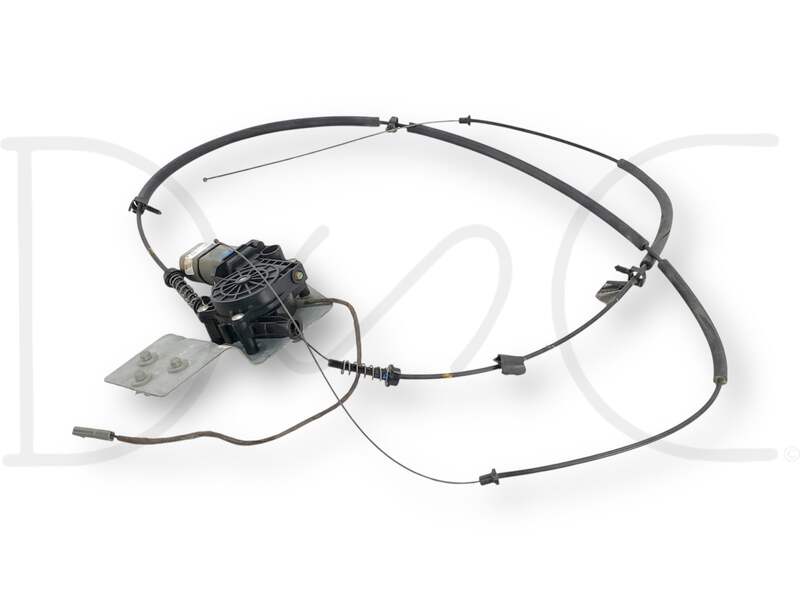
The optional rear power sliding window in crew cab models is a common failure point due to internal cable binding. Moisture and lack of lubrication cause the steel cables to fray and the pulleys to wear out inside the sealed mechanism.
Symptoms of Cable Binding
The window moves slowly or jerks unevenly when you press the switch. It may stop mid-operation or refuse to close completely. You can hear the motor running but the glass does not move.
Why Lubrication Fails Long Term
Spraying lubricant into the track offers only temporary relief for this specific problem. The internal cables and pulleys are worn beyond repair and cannot be rebuilt individually.
Full Assembly Replacement Guide
You must replace the entire glass and motor assembly to restore proper function reliably.
1. Remove the interior trim panels located behind the cab.
2. Disconnect the wiring harness from the window motor.
3. Unbolt the track and support brackets holding the unit in place.
4. Extract the glass and rail unit together as one piece.
5. Install the new OEM or quality aftermarket kit and torque bolts to spec.
Expert Note: Operate the new window ten to fifteen times after installation to ensure smooth travel. Never force the window manually if it gets stuck again.
Parts cost between $400 and $700 while labor takes about two hours. Regular cleaning and silicone lubrication every six months can extend the life of the new unit.
Death Wobble Steering Instability Fixes
Death wobble is a terrifying condition where the front end shakes violently at highway speeds. This issue affects 2016 F-350 diesels especially those with lifted suspensions or high mileage. It usually strikes after hitting a bump and can cause you to lose steering control entirely.
Common Culprits in the Front End
Worn ball joints particularly the upper ones are a primary cause of this vibration. Loose tie rod ends or a damaged drag link allow excessive play in the steering system. A failed steering stabilizer often masks the underlying wear until it breaks completely.
Perform the Bounce Test
Check for play by parking on level ground and chocking the rear wheels securely. Grab the tire at the three and nine oclock positions and wiggle it side to side. Watch the tie rods and drag link for any visible movement. Repeat this at the twelve and six oclock positions to test the ball joints.
Systematic Steering Repair
Fixing death wobble requires replacing all worn components rather than just the stabilizer.
* Replace tie rod ends and the center link.
* Install a new drag link and check the pitman arm.
* Replace both upper and lower ball joints.
* Upgrade to a heavy-duty or dual steering stabilizer system.
* Get a precise four-wheel alignment immediately after reassembly.
Warning: Never reuse old hardware bolts. Torque every bolt to factory specifications to prevent premature failure.
Total repair time ranges from four to seven hours depending on rust and seizure. Costs vary from $600 to $1,200 but this repair is essential for safety.
Frequently Asked Questions About 2016 Ford F350 Diesel Problems
What causes the P2195 and P2197 codes on a 2016 F-350 diesel?
These codes indicate a perceived lean condition but are usually caused by faulty upstream oxygen sensors. The sensors send flatlined data to the ECU even though the engine is running normally. Replacing both upstream sensors typically resolves the issue.
How do I know if my diesel fuel tank lining is failing?
Look for frequent fuel filter clogs and black debris in the water separator. If you see flakes or grit during a filter change, the tank lining is likely peeling. Stop driving immediately to prevent damage to the high-pressure fuel pump.
Can I fix death wobble by just replacing the steering stabilizer?
No, replacing only the stabilizer is a temporary fix that ignores the root cause. You must inspect and replace worn ball joints, tie rods, and drag links to eliminate the vibration. A full front-end inspection is required for a permanent solution.
Why does my 2016 F-350 lose coolant without visible leaks?
Pressure spikes from the thermostat bypass system often cause internal radiator cracks or seal failures. These microfractures allow coolant to escape slowly without large puddles. Replacing the radiator and thermostat housing together solves the pressure issue.
Is the rear power window repairable or does it need replacement?
The internal cables and pulleys are integrated into the assembly and cannot be rebuilt. You must replace the entire glass and motor unit to fix binding or failure permanently. Lubrication only delays the inevitable failure of the mechanism.
Key Takeaways for Resolving 2016 Ford F350 Diesel Problems
Your 2016 Ford F-350 diesel remains a capable truck if you address its specific weak points proactively. The five major issues discussed here including coolant leaks, sensor failures, and steering instability are predictable and manageable with early detection.
Regular inspection of the cooling system pressure and front-end components prevents minor wear from becoming major failures. Always use high-quality OEM or equivalent parts to ensure your repairs last under heavy-duty conditions.
Take action today by checking your fuel filters for debris and testing your steering components for play. Addressing these 2016 Ford F350 diesel problems now saves you from expensive downtime and keeps your truck on the road where it belongs.


