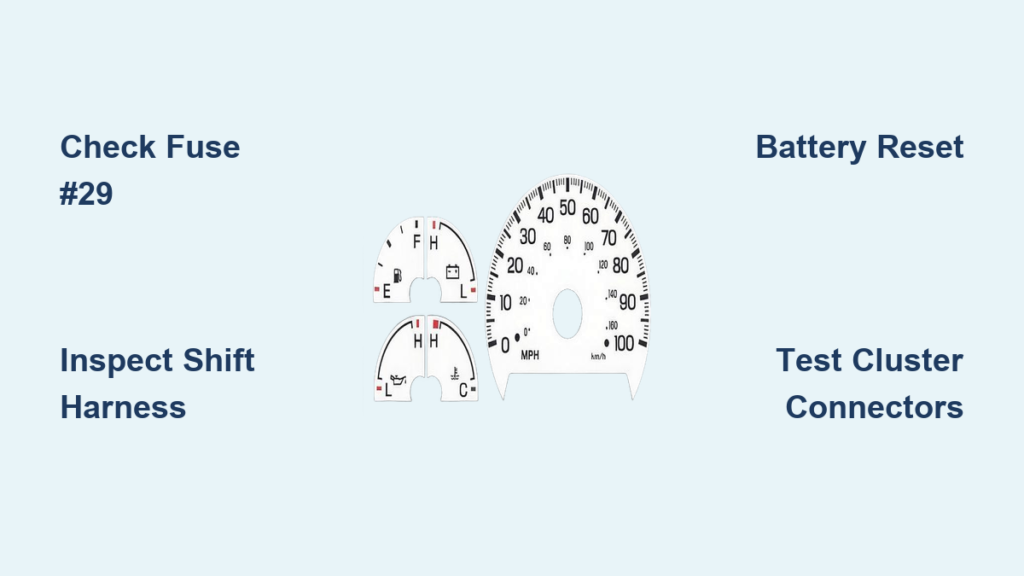
You turn on your Ford F-150’s A/C, the blower kicks in, but no air comes out of the dashboard vents. Instead, all the airflow is stuck blowing at your feet or up at the windshield. This is a widespread issue affecting models from 2003 to 2022, especially when switching between vent modes. The problem isn’t usually the fan or climate control panel. It’s deeper in the HVAC system, where air gets routed inside the dashboard.
This guide breaks down exactly why your F-150 vents aren’t working, how to diagnose the root cause in minutes, and what fixes actually work. You’ll learn whether you’re dealing with a 2003 model’s vacuum leak, a 2015’s failed actuator, or a 2022’s freezing evaporator. By the end, you’ll know whether it’s a $20 DIY fix or a major repair you need to schedule.
Identify Your F-150’s Vent Problem
Air Blows But Not From Dashboard Vents
If your blower fan runs normally but no air exits the panel vents, the HVAC system is likely stuck in defrost or floor mode. This means air is being directed incorrectly inside the heater box. The problem is not the blower motor. It’s the mode door that controls airflow direction.
Common reports from F-150 owners include air only coming from defrost even when dash vents are selected, bi-level mode sending air to floor and windshield with nothing from the center, and the fan running but no air felt at the vents. This points to a failed mode door actuator, vacuum leak, or internal HVAC obstruction depending on your model year.
Airflow Stuck in Defrost or Floor Mode
The most common symptom across generations is airflow defaulting to defrost and floor. This is a safety design. When the system fails, it sends air to the windshield to prevent fogging.
2003 to 2009 models usually suffer from vacuum hose collapse. 2010 to 2016 models typically fail due to a bad mode door actuator. 2022 and newer models may experience evaporator freeze-up rather than mechanical failure. Even if the climate control screen shows panel mode, the air doesn’t match, confirming the command is sent but not executed.
Clicking or Grinding Noises Under Dashboard
Hearing clicking, ticking, or grinding noises when changing vent modes is a red flag. These sounds come from the mode door actuator straining to move a stuck or broken door.
Clicking indicates the actuator motor runs but gears slip. Grinding suggests internal gear damage or binding. A single loud click means the actuator may be dead or disconnected. This noise often precedes complete failure, so act fast.
Airflow Stops After 30 Minutes of A/C Use
On 2022 and newer F-150s, users report airflow cutting out after 30 to 60 minutes of A/C use. The fan still runs, but no air comes out. This is likely evaporator coil freeze-up, where ice builds up and blocks airflow.
The temporary fix is turning off A/C and running the fan only to thaw the coil. The permanent fix involves a software update or evaporator replacement per TSB 22-2089.
Diagnose the Real Cause by Model Year
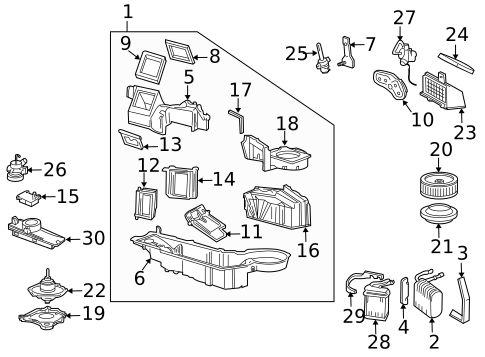
2003–2009: Vacuum System Failure
These older F-150s use vacuum-powered actuators to control airflow. Over time, rubber vacuum hoses degrade, collapse, or leak, causing loss of pressure. When vacuum drops, the system defaults to defrost mode.
Key signs include a soft, gummy, or collapsed red vacuum line under the dash, a hissing sound when squeezing the hose, and a P0401 code (EGR flow insufficient) which is often linked to the same vacuum leak.
To test this, locate the red vacuum hose running from the firewall to the driver’s side actuator. Squeeze it gently. If it collapses or feels mushy, it’s failed. Check the actuator linkage to ensure it’s connected and not bent. Fixing the vacuum hose often resolves both HVAC and emissions issues.
2010–2016: Mode Door Actuator Failure
Starting in 2010, Ford switched to electric actuators. The mode door actuator controls airflow direction and is located under the driver’s footwell near the gas pedal. It’s the number one failure point in this generation.
Symptoms include air stuck in one mode, a clicking noise when switching vents, and the actuator motor spinning but the door not moving.
To diagnose this yourself, remove the four bolts holding the actuator and disconnect the electrical plug. Rotate the cam by hand. If airflow changes, the actuator is bad. If there’s no change, the door is jammed or the linkage is broken. No calibration is needed. The new actuator works immediately on power-up.
2022+ Models: Evaporator Freeze-Up
Newer F-150s can suffer intermittent airflow loss due to ice buildup on the evaporator coil. This blocks air completely even though the blower runs.
Conditions that trigger it include high humidity, long drives with A/C on max, and ambient temperatures above 89°F.
To test for freeze-up, when airflow stops, turn off A/C but keep the fan on. Wait 10 to 15 minutes. If airflow returns, the evaporator was frozen. Check TSB 22-2089. Dealers may cover a software update or evaporator replacement under warranty.
Common Mistakes That Waste Time and Money
Replacing the Blower Motor Unnecessarily
Many assume no airflow means a bad blower. But if air comes from defrost or floor vents, the blower is working. Replacing it won’t fix a mode door issue. Save your money. Check the actuator or vacuum system first.
Confusing Blend Door With Mode Door
The blend door actuator controls temperature (hot/cold mix). The mode door actuator controls airflow direction (dash, floor, defrost). If your A/C still cools but vents don’t change, it’s the mode door, not the blend door.
Ignoring the Cabin Air Filter
Even on low-mileage trucks, the cabin air filter can be blocked by rodent nests, debris, or manufacturing residue. A $20 filter can mimic a $300 actuator failure.
Quickly remove the filter (behind glove box or under hood), run the blower, and feel for suction at the intake. No suction could mean a blower issue or internal blockage.
Step-by-Step Fixes That Work
Replace Vacuum Hoses (2003–2009)
Tools needed include a hose cutter and 6mm ID vacuum line (silicone-reinforced for durability).
Steps to replace:
1. Disconnect old hose at firewall and actuator
2. Cut new hose to length
3. Install and secure both ends
4. Reconnect actuator linkage
5. Test all vent modes
Time is 15 to 30 minutes. Cost is under $20. Pro tip: replace all vacuum hoses in the tree to prevent future leaks.
Replace Mode Door Actuator (2010–2016)
Part numbers include 8M3Z-19A616-CA (OEM) or Motorcraft YH1933 (direct replacement). Tools needed are an 8mm socket, ratchet, and flashlight.
Steps to replace:
1. Remove gas pedal (three 13mm bolts) if blocking access
2. Remove four bolts from actuator
3. Disconnect gray electrical plug (press release tab)
4. Pull out actuator and inspect cam for damage
5. Install new unit and align gears properly
6. Reconnect and reassemble
Time is under 30 minutes. Cost is $48 to $70 for the part. DIY savings are $250 or more versus the dealership. No calibration is required. The system auto-detects on startup.
Fix Evaporator Freeze-Up (2022+)
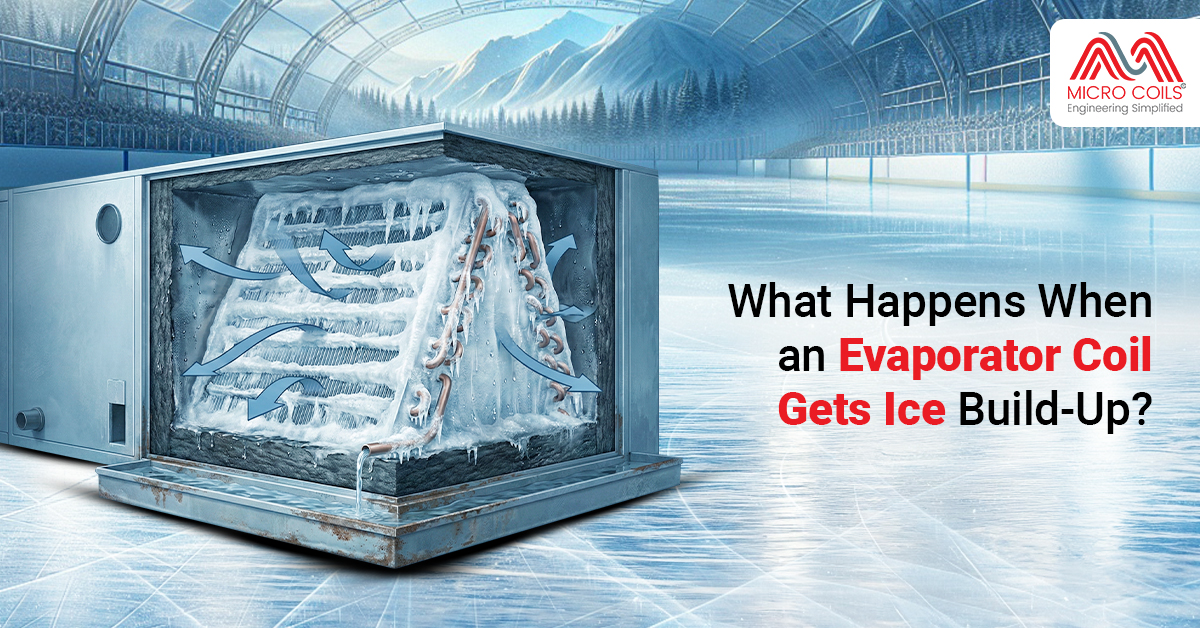
The immediate workaround is turning off A/C and running fan only for 10 to 15 minutes. The ice will melt and airflow returns.
For a permanent fix, visit the dealership with TSB 22-2089. Request an HVAC software update or evaporator replacement (revised design). Check warranty coverage. Many repairs are free under TSB.
To prevent this issue, avoid continuous max A/C and cycle fan-only mode during long drives.
Repair Internal HVAC Plenum (2006–2009)
If actuator and vacuum are fine but airflow doesn’t change, the issue may be inside the heater box. A foam seal may have detached, jamming the mode door, or the linkage may be broken or bent.
Repair involves dashboard removal, heater box disassembly, and reattaching or replacing internal components. Time is 6 or more hours. Cost is $1,000 or more at a dealer. DIY difficulty is high. Only attempt this if you’re an advanced mechanic.
When to DIY vs. See a Mechanic
DIY-Friendly Repairs
These repairs are under 30 minutes, require basic tools, and save hundreds in labor:
– Vacuum hose replacement (2003–2009)
– Mode door actuator swap (2010–2016)
– Cabin air filter check
See a Mechanic If
You should see a professional if you suspect internal HVAC plenum damage, dashboard removal is needed, or refrigerant handling is required (evaporator replacement). These jobs take 4 to 8 hours and need specialized tools.
Prevent Future Vent Problems
For 2003–2010 Models
Inspect vacuum lines every 30,000 miles. Replace with silicone vacuum hose which lasts longer than rubber.
For 2010–2020 Models
Listen for early clicking noises. Replace the actuator at the first sign of failure. Keep electrical connectors dry and clean.
For 2021+ Models
Be aware of TSB 22-2089. Avoid max A/C for hours. Cycle fan-only mode. Schedule summer HVAC checkups.
Frequently Asked Questions About Ford F-150 Vents Not Working
Why does air only come from defrost vents in my F-150?
This happens when the mode door actuator fails or vacuum hoses collapse. The system defaults to defrost mode as a safety feature to prevent windshield fogging. Check the actuator under the driver’s dash or inspect vacuum lines on older models.
Can I replace the mode door actuator myself?
Yes. For 2010 to 2016 models, the job takes under 30 minutes with basic tools. The part costs $48 to $70 versus $300 or more at a dealership. No calibration is needed after installation.
What is TSB 22-2089 and does it apply to my truck?
TSB 22-2089 addresses evaporator freeze-up in 2022 and newer F-150s. If your airflow stops after 30 to 60 minutes of A/C use, this TSB may cover a free software update or evaporator replacement at the dealership.
Why does my F-150 make clicking sounds when I change vent modes?
Clicking sounds indicate the mode door actuator is straining. The gears are slipping or the motor is failing. This often precedes complete failure. Replace the actuator soon to avoid being stranded with no dashboard airflow.
Does a new cabin air filter help with vent problems?
Yes, sometimes. A clogged cabin air filter can block airflow even when the blower works. Check the filter even on low-mileage trucks for debris, rodent nests, or manufacturing residue.
Why does my F-150 default to defrost mode at startup?
This is normal behavior when the HVAC system loses vacuum (older models) or the actuator fails to initialize (newer models). Check battery voltage. Low cranking voltage below 9.6V can disrupt actuator calibration and cause this default behavior.
Key Takeaways for Fixing Your Ford F-150 Vents
Most Ford F-150 vents not working issues are simple fixes. A $50 actuator or $10 vacuum hose can restore full airflow in under 30 minutes. Start with the mode door actuator (2010 and newer) or vacuum line (2003 to 2009), and you’ll likely solve the problem yourself.
For 2022 and newer trucks, evaporator freeze-up is the new culprit. Use TSB 22-2089 to get it fixed for free at the dealership. Don’t overpay for repairs you can do in your driveway. Check the simple causes first before accepting expensive estimates.