Few things are more frustrating than flipping the wiper switch and getting nothing, especially when rain is hitting the windshield. The 2000 Ford F-250 has a well-documented history of wiper failures, and the root cause is often misdiagnosed. Replacing the wrong part wastes money and leaves you stuck with the same problem.
This guide breaks down the most common reasons your 2000 F250 wipers not working, ranked by likelihood. You will learn how to test fuses, check power and ground at the motor, and identify when the Generic Electronic Module (GEM) is the real culprit. Follow the steps in order to avoid the costly cycle of replacing good parts.
Start with the Fuses
Before testing any components, rule out the simplest cause: a blown fuse. Electrical faults in the wiper circuit often show up here first.
Locate the Critical Fuses
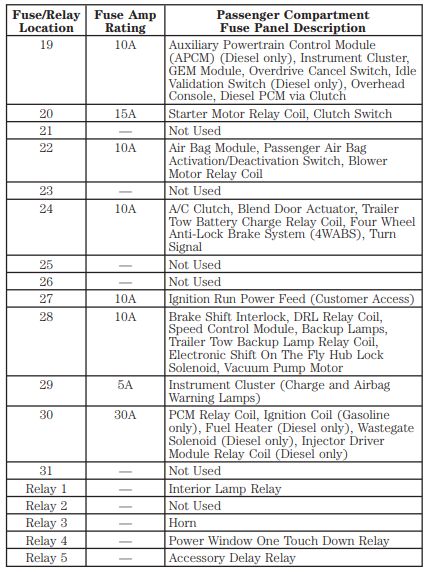
Two fuses control wiper operation on the 2000 F250:
– Fuse #11: Powers the wiper motor directly.
– Fuse #15 (5A): Powers the GEM module, instrument cluster, and Brake On-Off (BOO) switch.
You will find these in the under-hood battery junction box and the interior fuse panel beneath the dash. Check your owner’s manual for the exact layout.
Test and Replace Safely
Pull each fuse and look for a broken filament. Use a multimeter to confirm continuity. If a fuse is blown, replace it with the same amperage rating.
If the fuse blows again immediately, stop replacing it. A repeated blow signals a short circuit downstream, often in the BOO switch, cruise deactivation switch, or wiring harness.
Why Fuse #15 Matters Most
Fuse #15 is shared across multiple systems. When it blows, the GEM loses power, which can disable wipers, power windows, and gauges all at once. Disconnecting the BOO switch at the brake pedal is a quick way to isolate this fault. If the fuse holds after disconnection, the BOO switch needs replacement.
Test for Power at the Wiper Motor
If the fuses are intact, the next step is checking whether voltage is reaching the motor. No power means the fault lies upstream in the switch, wiring, or GEM.
Access the Motor Connector
The wiper motor sits under the cowl panel at the base of the windshield. Remove the plastic cover and unplug the electrical connector carefully.
Run a Voltage Test
Set your multimeter to DC voltage. Have a helper turn the ignition on and activate the wiper switch.
Probe the power terminal, usually a pink or red wire. You should see 12 volts or higher when the switch is engaged.
If voltage is present, the problem is the motor itself or a bad ground. If voltage is missing, the fault is upstream.
Watch for Intermittent Signals
Wiggle the connector while testing. Fluctuating voltage indicates a loose connection or a failing multifunction switch.
Check the Ground Connection

A bad ground will stop the wipers even when full power is reaching the motor. This hidden cause trips up many DIY diagnostics.
Measure Ground Resistance
Use your multimeter to measure resistance between the black ground wire at the motor connector and a clean, unpainted metal point on the truck’s frame.
Acceptable resistance is 5 ohms or less. Anything higher means the ground path is compromised.
Locate and Clean Ground Points
The main ground for the wiper circuit is often near the firewall or under the dash kick panels. Inspect for:
– Corrosion
– Loose bolts
– Damaged wires
Clean the contact area with a wire brush and tighten the ground bolt securely. Retest the resistance after cleaning.
Why Grounds Fail Over Time
Moisture and road salt corrode ground connections gradually. A high-resistance ground forces the motor to work harder, drawing more current and overheating. This can kill even a brand-new motor within months.
Replace the Wiper Motor When Necessary

When power and ground are confirmed but the motor still does not run, internal failure is the likely cause.
Confirm Before Replacing
If the motor receives 12 volts and has a solid ground but remains silent, the internal electronics are dead. Bench testing is unreliable without a proper harness adapter, so direct replacement is the fastest path forward.
Match the Part Exactly
Wiper motors for the 2000 F250 are model-specific. You need to match:
– Transmission type (automatic or manual)
– 4WD system (ESOF or manual)
– Cab configuration
Installing the wrong variant results in non-operation even with perfect electrical connections.
Budget for the Repair
- Part cost: $80 to $150
- Professional labor: $90 per hour, typically 1 to 2 hours
- Total national average: $169 to $248
Sourcing a used motor from a junkyard is a proven way to save money. Many owners report long-term success with this approach.
Avoid Repeat Failures
If a new motor fails within a few months, the root cause was not the motor. Look for bad grounds, voltage spikes, or GEM module issues. Replacing motors without fixing the underlying fault leads to a frustrating and expensive cycle.
Inspect the Multifunction Switch
When the motor does not receive power, the multifunction switch on the steering column is a likely suspect.
Recognize the Symptoms
- Wipers fail to start
- Operation is intermittent
- Jiggling the switch temporarily restores function
These signs point to worn contacts inside the switch.
Test the Switch Output
With the motor connector unplugged, back-probe the switch output wires while activating the wiper lever. You should see voltage changes across the off, low, high, and intermittent settings.
No voltage output means the switch is not sending the signal.
Plan for Replacement Carefully
The switch is often sold as a combined wiper and turn signal assembly. Replacement requires removing the steering wheel shroud and disconnecting the clock spring. Handle the clock spring with care to avoid disabling the airbags.
If you are not comfortable with this work, seek professional help. Miswiring can create serious safety issues.
Do Not Replace Blindly
Data shows many owners replace this switch without resolving the problem. Always verify power loss at the motor first. If power is missing, test the switch. If power is present, the switch is not the issue.
Investigate the GEM Module for Multi-System Failures
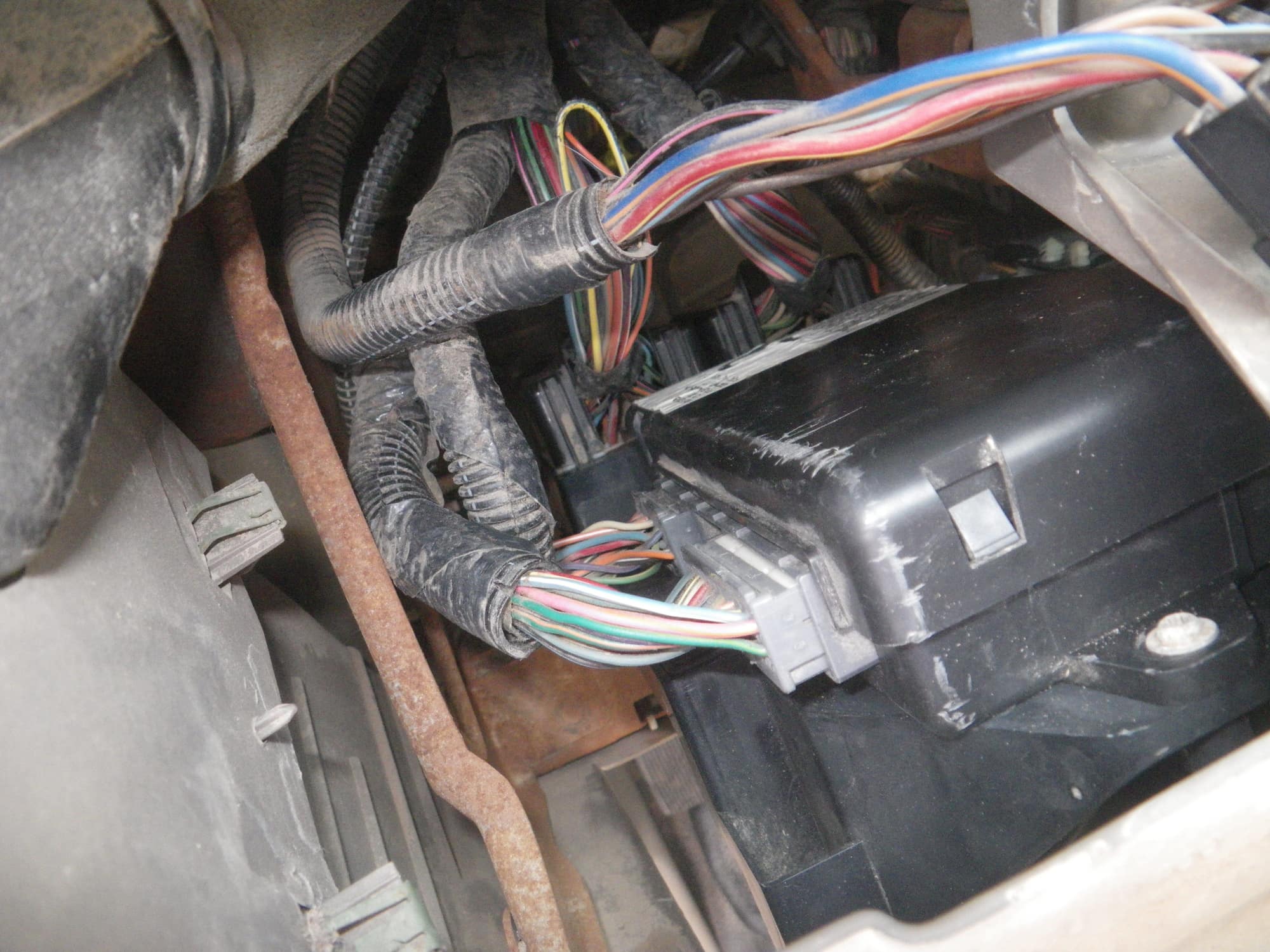
When wipers fail alongside power windows, door locks, or instrument gauges, the GEM module is the prime suspect.
What the GEM Controls
The Generic Electronic Module manages multiple body functions:
– Wipers
– Power windows
– Door locks
– Instrument cluster
– Interior lighting
A failing GEM mimics several component breakdowns at once.
Key Warning Signs
- Wipers stop first, then windows fail
- Gauges take longer than normal to initialize
- Radio will not turn off with the key
- Fuse #15 blows repeatedly
These patterns indicate the GEM is failing or losing power through a shared circuit fault.
Test the GEM System
- Confirm Fuse #15 is intact and receiving power
- Check for voltage at the GEM power inputs
- Inspect the module for moisture or corrosion
If there is no power, trace back to the fuse and wiring. If power is present but there is no output, the GEM is likely bad.
Replacement and Configuration Tips
- New GEM cost: Around $280 from a dealer
- Used units: A viable option from junkyards
The GEM must match your truck’s configuration, including transmission type, 4WD system, keyless entry, and engine. Some modules require coding to work properly. A mismatched GEM may power on but fail to activate the wipers.
Stop Recurring Fuse Blows
If Fuse #11 or #15 keeps blowing, you have a short circuit. Continuing to replace fuses risks electrical damage or fire.
Isolate the BOO Switch
The Brake On-Off switch at the brake pedal shares the Fuse #15 circuit. A faulty switch can short and blow the fuse.
Disconnect the BOO switch and replace the fuse. If the fuse holds, the BOO switch is bad and needs replacement.
Check the Cruise Deactivation Switch
Located on the master cylinder, this switch is part of the same circuit. Some 2000 F250 models have a recall for this part.
Disconnect it and retest. If the fuse stops blowing, replace the switch.
Inspect the Wiring Harness
Look for damaged wires near:
– The firewall penetration point
– The steering column
– The kick panels
Chafed insulation can contact metal and create a short. Repair damaged sections with heat-shrink tubing and secure the wiring with loom.
Perform a Mechanical Inspection First

Before assuming an electrical failure, rule out mechanical binding.
Tighten the Pivot Nuts
The wiper arm attaches to the transmission stem via a nut. If loose, the arm will not move even when the motor spins.
Remove the cap covering the nut and tighten it securely with a wrench. Retest the system.
Check for Binding
Lift the wiper arms and move them manually. If they stick or require excessive force:
– Clear ice or debris
– Lubricate the pivot points
– Inspect the linkage for damage
Frozen wipers can stall even a healthy motor.
Inspect Blades and Arms
- Replace cracked or hardened blades every 6 to 12 months
- Bent or rusted arms increase drag and strain the motor
- Replace arms if the coating is peeling or the metal is corroded
Prevent Future Wiper Failures
A little maintenance goes a long way toward avoiding repeat problems.
Clean Ground Points Regularly
Every six months, inspect and clean key ground connections at the firewall, kick panels, and battery terminal. Remove corrosion with a wire brush and apply dielectric grease.
Manage Ice Buildup
Never activate the wipers when they are frozen to the windshield. Lift them manually or use a de-icer first to prevent motor strain.
Verify Open Recalls
Check your VIN at fordservicecontent.com for open recalls, especially on the cruise control deactivation switch, which can cause Fuse #15 to blow.
Replace Blades Proactively
Fresh blades reduce motor load. Watch for streaking, chattering, or missing rubber and replace at the first sign of wear.
Frequently Asked Questions About 2000 F250 Wiper Problems
What is the most common cause of wipers not working on a 2000 F250?
The wiper motor is the most common failure point, accounting for roughly 75% of diagnoses. Symptoms include complete inactivity, intermittent operation, or the motor stopping mid-cycle.
How do I know if my GEM module is bad?
When wipers fail along with power windows, door locks, or instrument gauges, the GEM module is a likely culprit. Other signs include slow gauge initialization and a radio that will not turn off with the key.
Why does Fuse #15 keep blowing on my 2000 F250?
Fuse #15 powers the GEM, instrument cluster, and BOO switch. Repeated blowing usually indicates a short in the BOO switch, cruise deactivation switch, or wiring harness. Disconnecting these switches one at a time can isolate the fault.
Can I use a junkyard wiper motor in my 2000 F250?
Yes, many owners report success with used motors from junkyards. Just make sure the part matches your truck’s transmission type, 4WD system, and cab configuration to avoid compatibility issues.
How much does it cost to replace a wiper motor on a 2000 F250?
The national average for wiper motor replacement ranges from $169 to $248, including parts and labor. The motor itself costs between $80 and $150.
What ground resistance is acceptable for the wiper circuit?
Ground resistance must be 5 ohms or less for proper operation. Anything higher indicates a poor ground connection that can prevent the motor from running or cause it to overheat.
Key Takeaways for Fixing Your 2000 F250 Wipers
Diagnosing 2000 F250 wipers not working comes down to following a logical sequence. Start with the fuses, especially Fuse #11 and Fuse #15, since a shared short can disable multiple systems. Test for power and ground at the motor connector before replacing anything. The motor fails most often, but the multifunction switch and GEM module are common culprits when other electrical systems act up.
Your next step is to grab a multimeter and check Fuse #15 first. If it is blown, disconnect the BOO switch and see if the fuse holds. That single test can save you hundreds of dollars in unnecessary parts.