
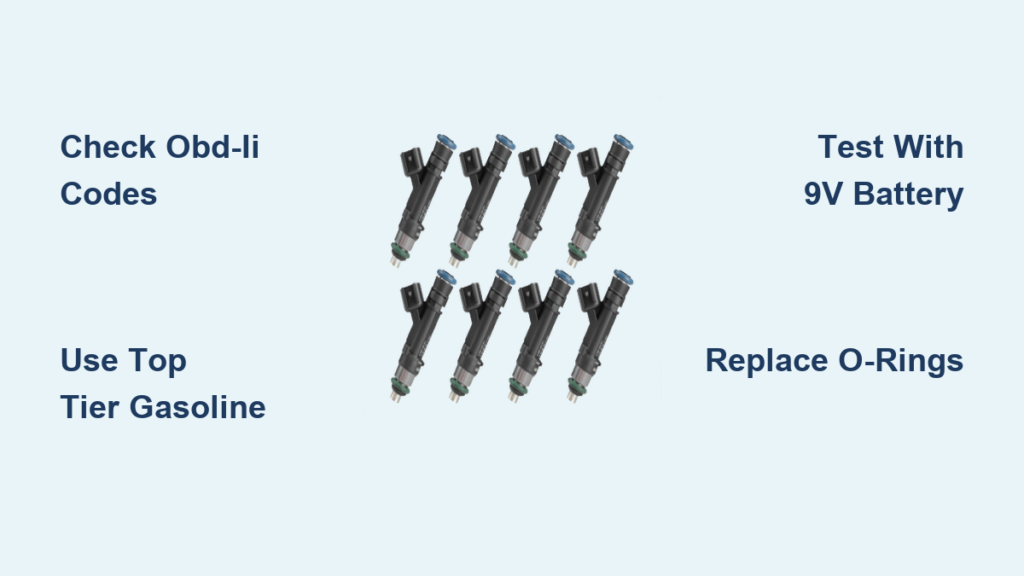
Is your Ford F-150 running rough, misfiring, or losing fuel economy? You might be wondering if dirty fuel injectors are to blame and whether cleaning them will fix the problem. The truth is, fuel injector cleaning is not a required maintenance task for most F-150s under normal driving conditions. Ford does not list it in any official service schedule, and many owners go 200,000+ miles without ever cleaning or replacing an injector.
But if you’re experiencing symptoms like hesitation, poor idle, or a check engine light with misfire codes (P0300-P0308), cleaning could help if the issue is actually dirty injectors. This guide gives you a complete, step-by-step breakdown of when to clean injectors, the safest and most effective methods, what tools you need, and how to avoid costly mistakes.
When F-150 Fuel Injectors Actually Need Cleaning
Recognize Real Symptoms First
Fuel injectors on the F-150 rarely need cleaning unless specific performance issues appear. Routine cleaning is not recommended by Ford and may be unnecessary if you use quality fuel and drive regularly.
Signs your injectors may need attention include a noticeable drop in fuel economy, engine misfires or rough idle, hesitation during acceleration, and a Check Engine Light with codes like P0300-P0308 (cylinder misfires), P0171/P0174 (system too lean), or P0200 series (injector circuit faults).
Always pull OBD-II codes first. Misfires are often caused by bad spark plugs or coil packs, not dirty injectors. A rough-running engine is not exclusively caused by fuel injectors, so proper diagnosis is crucial before spending money or time on cleaning.
How Fuel Quality Affects Injector Health
Using Top Tier Detergent Gasoline (Shell, Chevron, BP, Exxon) significantly reduces carbon buildup. These fuels contain stronger detergents that keep injectors clean over time.
Avoid relying on low-quality gas stations, especially if you do a lot of short trips or city driving. Ethanol-blended fuels (E10) can also contribute to varnish and gum formation over time. If you use high-tier gas at least periodically and get the vehicle on the highway several times a year for extended light load cruising, injectors should never need a cleaning service.
Professional Closed-Loop Cleaning for 4.6L and 5.4L Engines
Prepare the Engine Properly
This method runs concentrated solvent through the injectors while the engine runs, simulating real-world conditions. Start by warming the engine to normal operating temperature, then locate the fuel pressure and return lines near the rear of the engine.
Disconnect both lines and connect them to a closed-loop cleaning system. Some 5.4L models (2005-2006) lack a Schrader valve, so use a special adapter to connect directly to the fuel rail.
Disable the Factory Fuel Pump
Remove the fuel pump fuse (labeled FP or Fuel Pump) from the power distribution box. Power the system externally using a jumper wire to the oil pressure switch. This prevents the stock pump from interfering with solvent flow.
Install a pressure regulator on the return line, as unregulated pressure can damage injectors or fuel rails.
Run the Cleaning Process Safely
Phase 1 involves a slow soak where you let the engine run on solvent at idle to dissolve varnish and soft deposits in fuel lines and injectors.
Phase 2 requires throttle blips. Blip the throttle repeatedly to increase injector pulse width and forces solvent through nozzle tips for deeper cleaning.
Stop immediately if the engine misfires or runs lean. Running lean can overheat valves and damage catalytic converters.
Reconnect and Verify Results
Reattach original fuel lines and clean the throttle body while the intake is accessible. Cycle the ignition ON/OFF 3-5 times to purge air locks. Start the engine and check for smooth idle, no fuel leaks, and normal startup behavior.
Use a fuel pressure gauge to confirm readings match specs (typically 35-65 psi depending on model).
DIY Additive Methods for F-150 Fuel Injectors
Best In-Tank Cleaner Products
Additives are low-risk and great for preventive maintenance or mild clogs.
Top recommended products include Chevron Techron Concentrate Plus (contains PEA detergent, proven effective on direct-injected engines), Lucas Fuel Injector Cleaner (safe for O2 sensors), BG 44K (professional-grade, removes heavy carbon, costs around $130 per service), Gumout High Mileage (formulated for trucks over 75,000 miles), and Sea Foam Motor Treatment (mild cleaner, better for prevention than repair).
How to Apply Additives Correctly
Pour one bottle into a full tank of gas and drive 150-500 miles to circulate fully. For severe cases, repeat for 2-3 tanks. Combine with Top Tier gasoline for best results.
Additives will not fix mechanically stuck or failed injectors. They work best for prevention and mild deposits.
Manual Removal and Deep Cleaning Method

When to Remove Injectors
Only remove injectors if additives failed, one injector has already failed, you’re doing major engine work, or you want to inspect or upgrade. This is the most thorough method but requires more effort.
Tools You Will Need
Gather a socket set, wrenches, fuel injector puller tool, O-ring pick set, new O-rings and insulators (you must replace these), carburetor cleaner, compressed air, a 9V battery (never use 12V), alligator clips, and an ultrasonic cleaner (optional but recommended).
Step-by-Step Removal Process
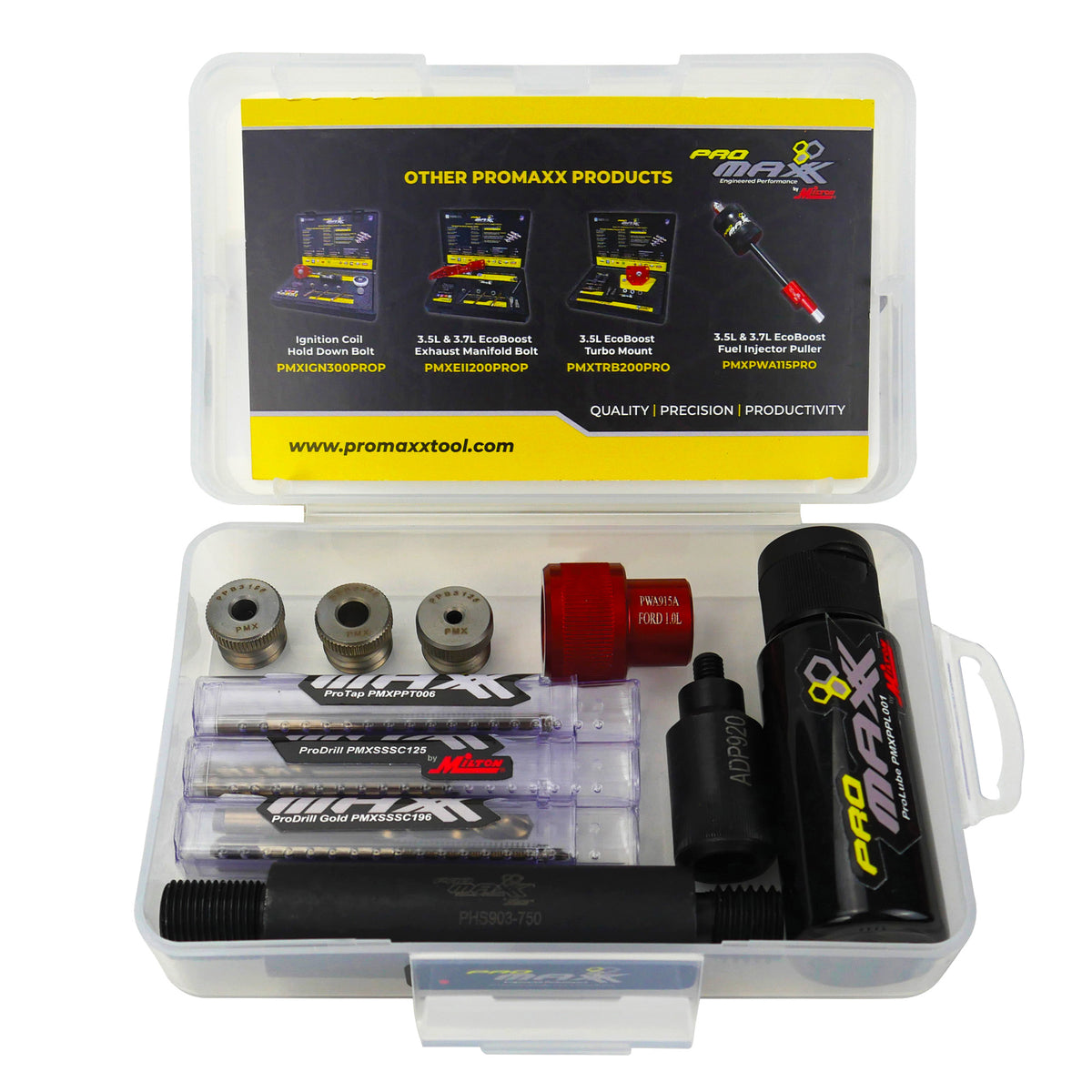
Relieve fuel pressure by removing the fuel pump fuse, starting the engine, and letting it stall. Disconnect the negative battery terminal, then disconnect fuel lines from the fuel rail.
Remove fuel rail bolts and lift the fuel rail with injectors still attached. Use an O-ring pick to remove each injector and label them by cylinder for reinstallation.
Always replace all O-rings. Cracked or swollen seals cause leaks.
Test Injector Function with 9V Battery
Never use a 12V car battery to test injectors. It will burn out the solenoid coil. A 9V battery (smoke detector type) safely actuates the pintle.
Clip the 9V battery to injector terminals and listen for a sharp click, which indicates movement. Repeat for all injectors.
Clean the Injectors Thoroughly
For the soak and blow method, spray carb cleaner into the fuel inlet, soak for 5-10 minutes, then blow out with compressed air. Repeat until the liquid is clear. Reapply 9V voltage between cycles to help free sticky pintles.
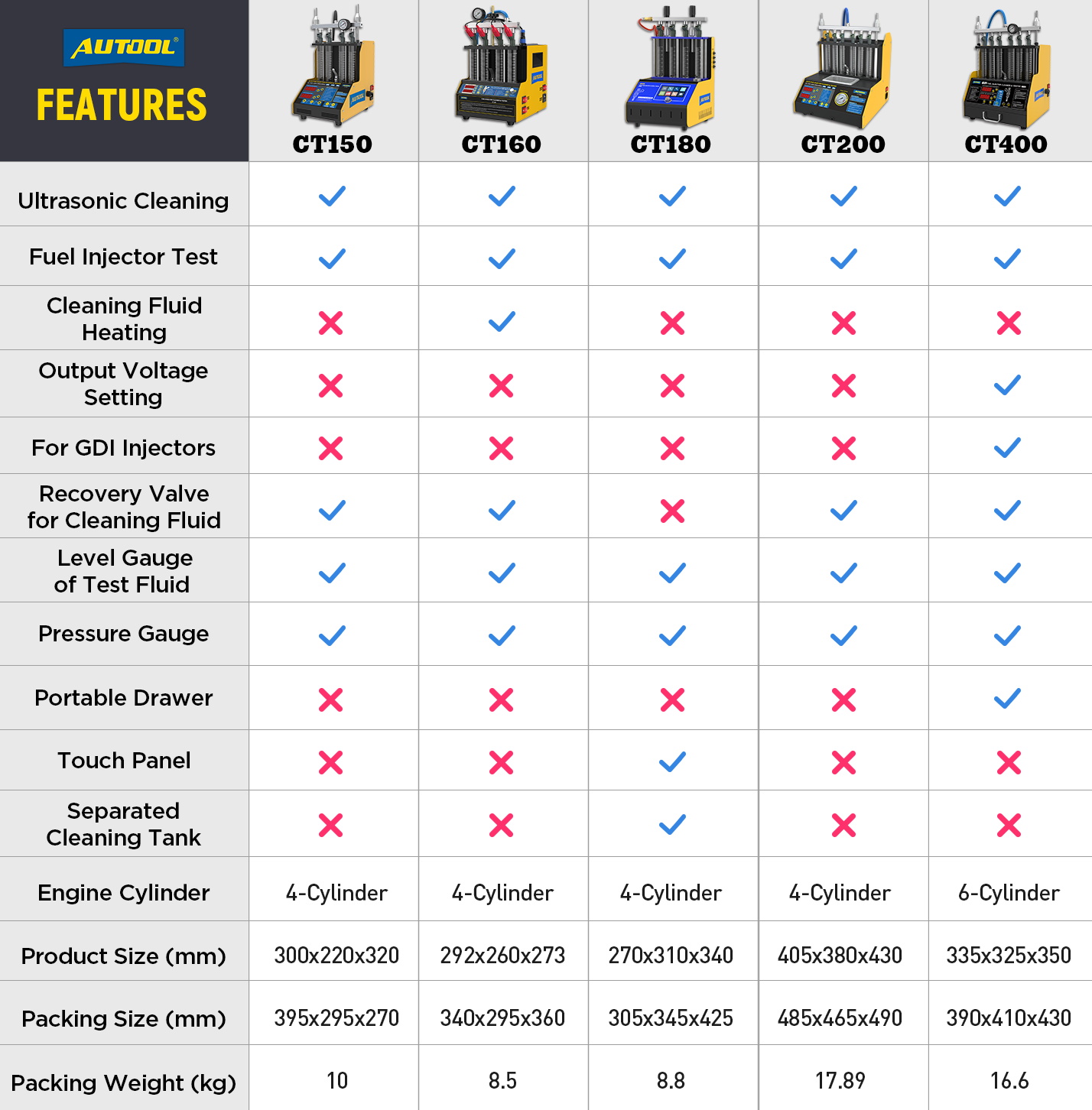
For ultrasonic cleaning (best results), use a dedicated ultrasonic cleaner filled with injector cleaning solution. Run for 15-30 minutes per injector, then rinse with clean solvent and dry with air.
Reinstall Properly
Lubricate new O-rings with engine oil or silicone grease. Ensure injectors seat fully in the rail and torque rail bolts to 70-80 in-lb (check your manual).
Reconnect all lines and connectors, reinstall the fuel pump fuse, and cycle ignition to prime the system. Start the engine and check for leaks.
Diagnose Stuck Injectors with a Tester
Use a Fuel Injector Pulsing Tester
A dedicated pulsing injector tester mimics the ECU’s signal and can free sticky injectors. It applies intermittent voltage pulses, causing the injector to tick open and closed. An LED shows the pulse pattern.
Connect the tester to the injector with correct polarity, spray carb cleaner into the inlet, and let soak 5-10 minutes. Watch for gradual ticking as the pintle frees. Continue until the spray pattern is even.
Never rely on carb cleaner alone. Use a pulsing tester to verify movement.
2005-2008 5.4L V8: Known Issues
Carbon Coking Problems
The 5.4L 3-valve engine is prone to intake port coking from short trips, fuel pooling near injectors, and internal wear even after cleaning.
Cleaning may help temporarily, but replacement is often needed. Multiple TSBs address misfires linked to faulty COP ignition coils, clogged injectors, and intake runner issues.
If you own one of these models, preventive maintenance is key.
Cost Comparison: What Is Worth It
| Method | Cost | Verdict |
|---|---|---|
| DIY Additives | $10-$20 | Good for prevention |
| Local Mechanic Flush | ~$100 | Fair price if symptoms exist |
| BG 44K Service | $70-$130 | Most effective professional option |
| Dealership Service | ~$250 | Often overpriced; verify need |
| Manual Cleaning (DIY) | $30-$80 | Most thorough; requires effort |
| Injector Replacement | $500-$1,200+ | Last resort for failed units |
Common Misconceptions About F-150 Injectors
PCV System Does Not Affect Injectors
Oil catch can goop comes from the PCV system and enters the intake manifold. This affects intake valves, not fuel injectors. Fuel injectors only receive pressurized fuel from the tank and fuel rail, not oil or crankcase vapors.
Maintenance Tips for Long Injector Life
Use Top Tier gas at every fill-up to prevent gum and carbon. Add injector cleaner every 3,000-5,000 miles to keep injectors flowing. Replace the fuel filter every 30,000 miles if equipped to block debris.
Avoid short trips as much as possible to reduce condensation and coking. Drive highway regularly (monthly) to help self-clean the intake and fuel system.
Frequently Asked Questions About Ford F-150 Fuel Injector Cleaning
How do I know if my F-150 fuel injectors need cleaning?
Look for specific symptoms like a drop in fuel economy, engine misfires, rough idle, hesitation during acceleration, or a Check Engine Light with misfire codes (P0300-P0308). Always pull OBD-II codes first to confirm the issue is injector-related and not caused by spark plugs or coil packs.
Can I use a 12V battery to test my fuel injectors?
Never use a 12V car battery to test injectors. It will burn out the solenoid coil. Use a 9V battery (standard smoke detector type) instead. The 9V provides enough voltage to safely actuate the injector and verify it is working.
What is the best fuel injector cleaner for Ford F-150?
Chevron Techron Concentrate Plus is frequently cited as one of the most effective over-the-counter options because it contains PEA detergent. BG 44K is the most effective professional-grade option. Lucas Fuel Injector Cleaner is also popular and safe for O2 sensors.
How often should I clean my F-150 fuel injectors?
Ford does not recommend routine fuel injector cleaning for the F-150. Cleaning is only necessary when specific performance symptoms appear. Using Top Tier gasoline and driving highway regularly typically keeps injectors clean without intervention.
Is professional injector cleaning worth it for the F-150?
If real symptoms exist, professional closed-loop cleaning (like BG 44K service at $70-$130) can be effective. However, many owners report no noticeable improvement after cleaning. Always diagnose properly first and consider DIY additives before paying for professional services.
Can I clean fuel injectors without removing them?
Yes, you can use in-tank additives (like Chevron Techron or BG 44K) or professional closed-loop cleaning that runs solvent through the system while the engine runs. However, for severely clogged or stuck injectors, manual removal and ultrasonic cleaning is the most thorough option.
Final Thoughts on Cleaning Ford F-150 Fuel Injectors
You probably do not need to clean your F-150’s fuel injectors unless real performance symptoms exist. Modern fuel and engine design make routine cleaning unnecessary for most owners. But if your truck is running rough, misfiring, or showing reduced fuel economy, use proven methods like starting with Chevron Techron or BG 44K additives, and only move to manual cleaning if needed.
Always test injectors with a 9V battery, never 12V. Replace all O-rings during reinstallation. Pull OBD-II codes before cleaning to confirm the issue is actually injector-related. Use Top Tier gasoline and drive highway regularly to prevent problems naturally.
Clean only when necessary, use safe techniques, and prevent problems with good fuel and driving habits. Your F-150 will keep running strong for years without unnecessary service bills.


