
If your Ford F-150 is running rough, struggling to start, or hesitating under load, a clogged fuel filter could be the culprit. For F150 models from 1997 to 2008, replacing the fuel filter is a straightforward DIY job that can restore performance and protect your fuel system. This guide walks you through every step, from safely depressurizing the fuel system to installing the new filter with confidence.
Let me show you exactly where the filter is located, which tools to use, and how to avoid common mistakes like broken clips or incorrect flow direction. With the right preparation, this repair takes under an hour and costs less than $50, saving you $100 or more in labor.
Locate the Fuel Filter on Your F150
Finding the Filter Under the Driver’s Side Frame Rail
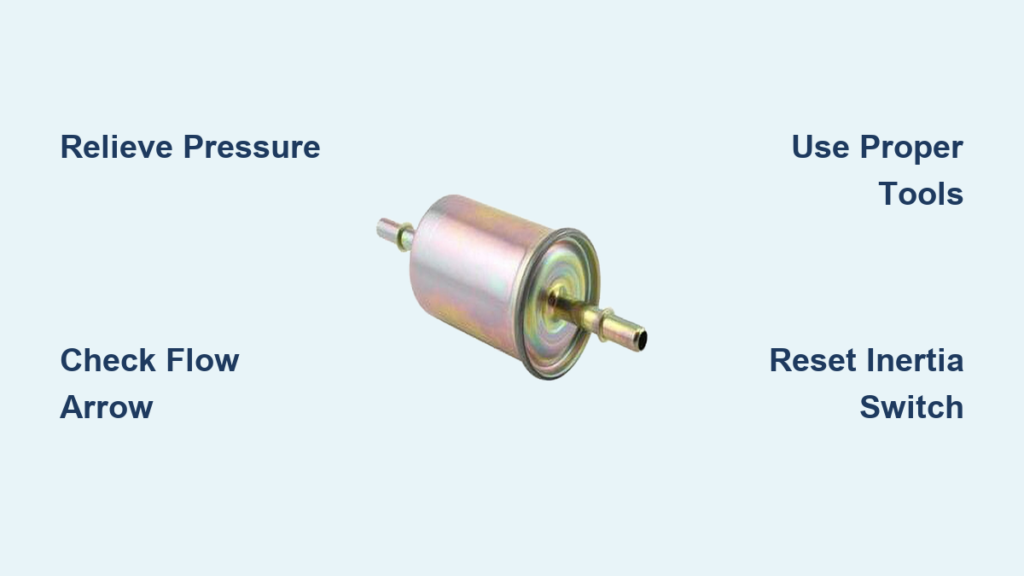
The fuel filter on your F150 is mounted under the driver-side frame rail, roughly beneath the driver door or just behind the front wheel. It is a cylindrical metal canister with two fuel lines connected at either end, secured in a tight metal bracket. Look for this component when crawling under the vehicle from the driver side.
Use a flashlight and mirror if visibility is limited. The filter sits in a rigid bracket that holds it extremely tight, sometimes described by mechanics as locked in place like it survived a crash.
Identifying the Flow Direction Arrow
On the side of the filter, you will see a molded arrow indicating fuel flow direction. This arrow must point toward the front of the truck, which is the engine side. The inlet line comes from the fuel tank at the rear, and the outlet goes to the engine at the front. Always confirm arrow alignment before disconnecting anything.
Relieve Fuel System Pressure Before Starting
Using the Schrader Valve (1999–2004 Models)
On most 1999 to 2004 F150s, the Schrader valve is located on the fuel rail at the rear of the engine on the passenger side. This is the safest way to release pressure.
Remove the plastic cap from the valve and cover it with a thick rag to contain spray. Press the center pin with a flat-blade screwdriver and hold until fuel stops dripping, usually 5 to 10 seconds. Replace the cap to keep debris out. When you re-press the valve and no fuel sprays out, the system is safe to work on.
Resetting the Inertia Switch (2004–2008 Models)
If your model lacks an accessible Schrader valve, use the inertia fuel cutoff switch. Open the hood and locate the switch on the driver-side firewall. Find the red rubber reset button on top.
With the engine running, sharply tap the button with a rubber mallet or your palm. The engine will stall, cutting power to the fuel pump. Crank the engine briefly, 1 to 2 seconds, to burn off residual pressure.
Only perform this with the engine running. After replacing the filter, press the red button firmly until it clicks to restore fuel flow.
Disconnect Fuel Lines Safely
Removing Blue Locking Clips (2004–2008)
Later models use a blue plastic clip on one fuel line that locks the line into the filter fitting. Use a pick or small flathead screwdriver to pry under the center tab. Push the clip outward while pressing down on the fuel line, then pull the line straight off without twisting. Expect minor fuel drippage.
If the line is stuck, double-check that the clip is fully disengaged. Forcing it can crack the fitting.
Releasing Dual Side Clips
The second line uses two side clips with a central locking tab. Press the center tab inward toward the frame while simultaneously pushing the side clips outward. Lift the connector straight up until it pops free. A slight click means it is unlocked.
Using Disconnect Tools for Spring Fittings (1997–2003)
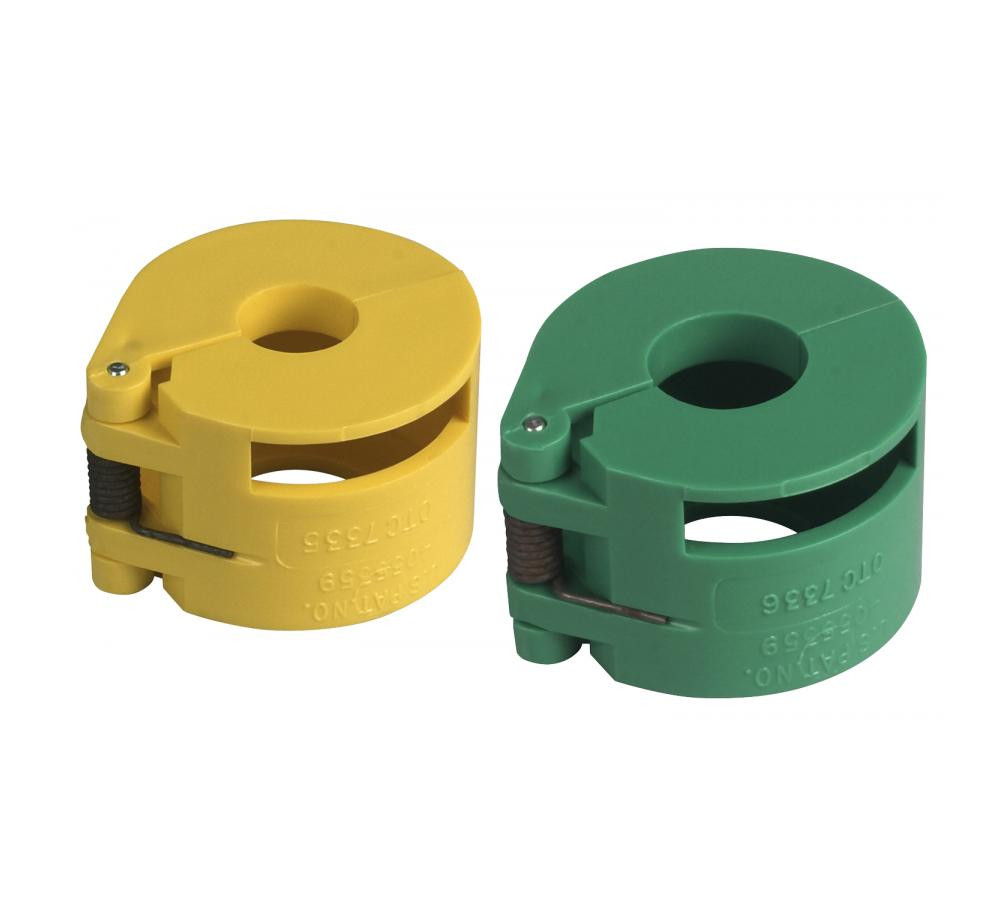
Older models use spring-coupling fittings with no visible clips. These require a 3/8-inch fuel line disconnect tool. Insert the tool fully into the fitting, and while inserted, pull the fuel line toward the filter. The tool lifts internal tabs, releasing the connection. Wiggle gently and pull free.
Ford-specific tools like Lisle 27700 fit better than universal sets and reduce damage risk.
Remove the Old Fuel Filter

Disconnecting Safety Retaining Clips
Some models have metal safety clips over the plastic connectors. Pull these clips toward the center of the filter to release. On stubborn ones, pinch the front tab and slide back. A pick or needle-nose pliers helps grip small clips.
Extracting the Filter from the Tight Bracket
The filter sits in a rigid metal bracket that holds it extremely tight. Use one hand to flex one side of the bracket outward while guiding the filter out with the other. Rotate or slide slightly if needed. If clearance is tight, consider slightly lowering the steering rack for extra room.
Never pry with a screwdriver, as you risk damaging the bracket or fuel lines.
Inspecting for Contamination
Once removed, check the old filter for dark debris, sludge, or water. A heavily clogged filter indicates poor fuel quality or tank contamination, so consider a full system inspection.
Install the New Fuel Filter Correctly

Confirming Flow Direction First
Before inserting the new filter, verify that the arrow on it points forward toward the engine. Reversing it increases fuel pump strain and can cause engine performance issues. This is the most critical step in the entire procedure.
Choosing the Correct Replacement Part
Use Motorcraft FG-1083 for most 1997 to 2008 F150s. For SVT Lightning models from 1999 to 2004, use FG986B. Avoid cheap filters, as low-quality units may collapse under pressure or restrict flow.
Inserting the Filter into the Bracket
Slide the new filter into the bracket. It may be tight, so gently flex the bracket or adjust nearby components for clearance. The filter should sit flush and not twist.
Reconnect Fuel Lines
Securing Blue Clip Fittings
Push the fuel line straight onto the port until you hear a distinct click. Reinsert the blue locking clip into the black retainer and press until it snaps securely. Pull gently on the line to confirm it is locked. Never reuse cracked clips.
Reconnecting Dual Clip Fittings
Align the connector and press straight down until fully seated. Ensure the locking tab is engaged and side clips are flush. Tug lightly to test the connection.
Reattaching Spring-Coupling Lines
Push the line firmly onto the filter port. You should hear a click as internal tabs lock. Pull back gently to confirm. Reinstall any external safety clips by pushing them upward and forward.
Dry all connections before connecting to prevent leaks. Wipe ports with a clean rag first.
Prime the Fuel System
Cycling Ignition to Build Pressure
After installation, the fuel system needs to re-pressurize. Turn the ignition to ON without starting the engine. Wait 3 to 5 seconds, and you will hear the fuel pump humming from the rear. Turn the key back to OFF and repeat 2 to 3 times to ensure full pressure.
If the engine does not start on the first try, gently pump the throttle once before cranking to aid fuel delivery.
Troubleshooting No-Start Issues
If the engine does not start, confirm the inertia switch is reset by pressing the red button down. Check for fuel leaks and shut off immediately if found.
Start Engine and Check for Leaks
Running at Idle for 2 to 3 Minutes
Start the engine and let it idle while listening for smooth operation, no hesitation or surging, and no unusual noises. A steady idle and responsive throttle indicate success.
Inspecting for Fuel Leaks
With the engine running, visually check both fuel line connections for wet spots, drips, or fuel odor. Wipe connections with a rag and recheck.
If leaking, shut off the engine immediately and depressurize the system. Recheck clip seating and connection. Never smoke or use open flames near the vehicle, as gasoline vapors are highly explosive.
Common Mistakes to Avoid
Broken Plastic Clips
The number one issue reported by DIYers is clips breaking during removal. Ford does not include replacements with new filters. Buy spare blue and orange clips before starting. This costs $5 to $10 and is worth every penny.
Incorrect Flow Direction
Installing the filter backward restricts fuel flow and stresses the pump. Mark the front of the truck with tape and always align the arrow forward.
Skipping Pressure Relief
Working on a pressurized system risks fuel spray, which can ignite. Never skip depressurizing. Use the Schrader valve or inertia switch.
Forcing Connections
Fuel lines should click into place with firm, straight pressure. If it does not fit, check for debris, verify correct clip type, and do not hammer or pry.
When to Replace Your F150 Fuel Filter
Every 30,000 to 50,000 Miles
Replace the fuel filter every 30,000 to 50,000 miles as preventive maintenance. Avoid filling up when a tanker truck is refilling the station, as this stirs up sediment that clogs filters faster.
Replace If You Notice These Symptoms
Replace the filter if you experience engine hesitation under load, hard starts especially when hot, rough idle or stalling, reduced fuel economy, or fuel smell under the vehicle. These symptoms often mimic fuel pump failure, so replace the filter first.
Benefits of Regular Fuel Filter Replacement
Protects Fuel Pump and Injectors
A clean filter reduces strain on the fuel pump, especially in returnless fuel systems on 2004 and newer models. This extends pump life and prevents costly replacements. Many users report smoother idle, better throttle response, and improved MPG after replacement.
Prevents Costly Repairs
Clogged filters force the fuel pump to work harder, leading to premature failure. Replacing a $30 filter now can save a $300 or more fuel pump job later. DIY replacement costs $20 to $40 versus $80 to $150 at a shop.
Enhances Drivability
Fresh fuel flow means consistent pressure to injectors, which is critical for performance, especially in high-mileage trucks.
Final Checklist for Success
Make sure you have completed these steps. You located the filter under the driver-side frame rail. You relieved fuel pressure using the Schrader valve or inertia switch. You placed a drip pan under the work area. You wore gloves and safety glasses. You released fuel line connectors with correct tools. You removed the old filter and checked for debris. You installed the new filter with the arrow pointing forward. You reconnected lines with an audible click and secure clips. You cycled ignition ON/OFF 2 to 3 times to prime. You started the engine and confirmed smooth idle. You inspected for leaks with the engine running. You reset the inertia switch if used.
Frequently Asked Questions About F150 Fuel Filter Replacement
How Often Should I Replace the Fuel Filter on My F150?
Replace the fuel filter every 30,000 to 50,000 miles as part of regular maintenance. Replace sooner if you notice performance issues or if you frequently drive on roads with poor fuel quality.
Can I Replace the Fuel Filter Without Special Tools?
For 2004 to 2008 models with blue clips, you need only a pick or small screwdriver. For 1997 to 2003 models with spring-coupling fittings, a fuel line disconnect tool is required. These tools are inexpensive and available at any auto parts store.
What Happens If I Install the Fuel Filter Backward?
Installing the filter backward restricts fuel flow and increases strain on the fuel pump. This can cause hard starting, poor performance, and potentially damage the pump over time. Always ensure the flow arrow points toward the engine.
Do I Need to Depressurize the Fuel System Before Replacing the Filter?
Yes, always relieve fuel system pressure before disconnecting fuel lines. Use the Schrader valve method for 1999 to 2004 models or the inertia switch method for 2004 to 2008 models. This prevents fuel spray and ensures safe working conditions.
Why Did My F150 Stall After I Replaced the Fuel Filter?
The engine may stall if the inertia switch was triggered and not reset, if there are air bubbles in the fuel line, or if connections are loose. Reset the inertia switch by pressing the red button until it clicks, then try starting again.
Key Takeaways for Changing Your F150 Fuel Filter
Changing the fuel filter on your F150 is one of the most cost-effective maintenance tasks you can perform. It is mechanical work with no codes, no resets, and no special programming required beyond basic tools. The entire procedure takes 30 to 60 minutes for most DIYers.
Always relieve fuel pressure before starting, confirm flow direction before installing the new filter, and purchase spare clips in advance. These three steps prevent the most common mistakes and ensure a successful repair.
With proper safety and attention to detail, you will keep your truck running strong for years while saving hundreds in labor costs. The money you save and the confidence you gain are well worth the effort.


