Your Ford F-350 holds massive potential, but guessing its limits risks safety and vehicle damage. The true F350 tow capacity varies wildly from 12,000 to 37,000 pounds based on your specific engine, axle ratio, and hitch setup.
This guide details exact ratings for gas and diesel models while explaining how dual rear wheels change performance. You will learn to locate your official door jamb rating and avoid common hauling mistakes that void warranties.
Maximum F350 Tow Capacity by Hitch Type
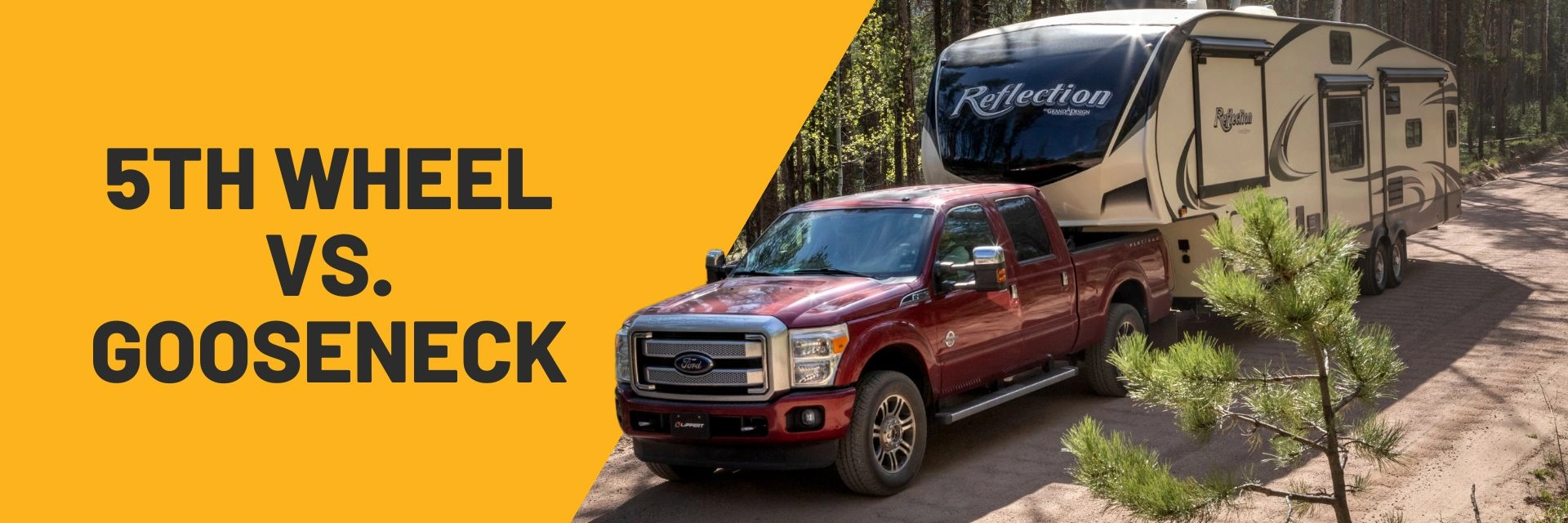
The method you use to connect your trailer dictates the absolute weight limit your truck can handle safely. Standard bumper hitches offer significantly less capacity compared to bed-mounted systems that transfer weight directly over the rear axle.
Conventional Bumper Towing Limits
When using a standard Class V receiver hitch, single rear wheel models typically max out between 12,000 and 16,000 pounds. The 6.8L gas engine supports up to 14,000 pounds, while the diesel option pushes conventional limits to roughly 18,500 pounds on crew cab duallys.
Gooseneck and Fifth-Wheel Potential
Bed-mounted hitches unlock the highest F350 tow capacity figures available in the lineup. A properly equipped dual rear wheel crew cab with the 6.7L diesel can tow 21,000 pounds via fifth-wheel, while specialized chassis cabs reach an incredible 37,000 pounds with a gooseneck.
Stability Advantages of Bed Mounting
Gooseneck setups place over 60 percent of the trailer weight directly above the rear axle. This distribution minimizes sway and improves braking efficiency compared to bumper pulling heavy loads.
Engine and Drivetrain Impact on Towing
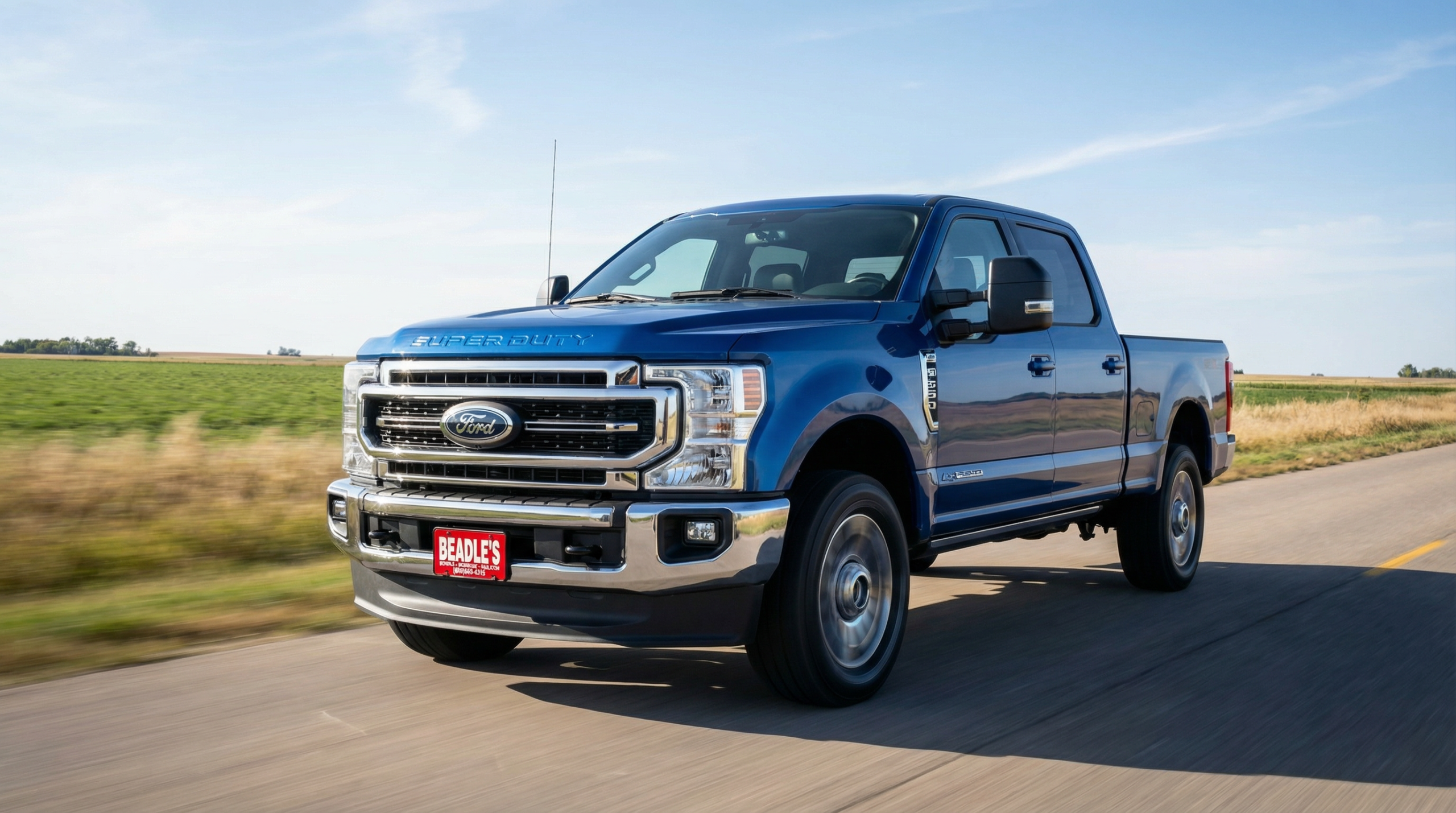
Your powertrain choice is the primary determinant of whether your truck can handle steep grades or sustained heavy hauling without strain.
6.7L Power Stroke Diesel Performance
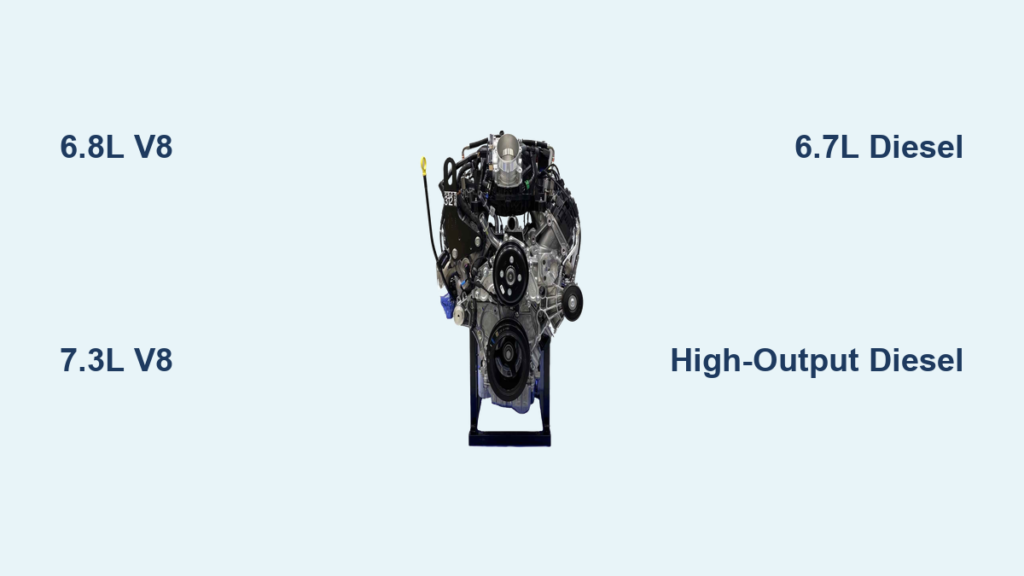
This engine produces 475 horsepower and 1,050 lb-ft of torque, making it mandatory for configurations exceeding 18,000 pounds. It features enhanced cooling systems with larger radiators to maintain performance under extreme stress.
6.8L V8 Gas Engine Capabilities
The gas V8 delivers 405 horsepower and 445 lb-ft of torque, suiting it for moderate loads under 14,000 pounds. While capable, it lacks the low-end torque required for the heaviest commercial or recreational trailers.
TorqShift Transmission Features
Both engines pair with a 10-speed automatic transmission featuring adaptive shift logic. The dedicated tow/haul mode prevents gear hunting and reduces heat buildup during heavy ascents.
How Axle Ratios Change F350 Tow Capacity

Gearing determines how efficiently your engine transfers power to the road, directly influencing your maximum allowable trailer weight.
Low Numerical Ratios for Economy
A 3.31 axle ratio prioritizes fuel economy and highway cruising but strictly limits maximum towing capacity. This setup works well for light recreational use but struggles with heavy commercial loads.
High Numerical Ratios for Heavy Loads
Ratios like 3.73 and 4.30 provide the strong low-end torque necessary for moving massive weights from a stop. Diesel models require these higher ratios to achieve their published maximum F350 tow capacity ratings.
Four-Wheel Drive Weight Penalties
Selecting four-wheel drive adds mechanical weight that slightly reduces efficiency and towing limits. Expect a reduction of 500 to 1,000 pounds in your maximum rating compared to equivalent two-wheel drive models.
Single vs Dual Rear Wheel Differences
The number of tires on your rear axle fundamentally alters payload capacity and stability when towing wide or heavy trailers.
Single Rear Wheel Limitations
SRW models offer better maneuverability and ride comfort but cap out between 12,000 and 16,000 pounds for towing. These are ideal for horse trailers or campers that do not exceed 20,000 pounds gross weight.
Dual Rear Wheel Advantages
Dually models provide a wider stance and stronger rear axle needed for fifth-wheel setups over 20,000 pounds. They support payload capacities up to 7,200 pounds, which is critical for managing heavy hitch weights.
Stability for Wide Trailers
Dual rear wheels offer superior stability when towing wide equipment or livestock trailers. The extra contact patch reduces the risk of sway caused by crosswinds or passing trucks.
Locating Your Specific Truck Towing Rating
Factory options and build combinations mean no two trucks have identical ratings, so you must verify your specific vehicle data.
Reading the Door Jamb Sticker
Open the driver door to find the Tire and Loading Information label listing your legal limits. This sticker displays your Gross Vehicle Weight Rating and maximum trailer weight specific to your build.
Using the Ford Trailer Tow Calculator
Input your VIN into the official Ford online tool to generate a custom towing report. This accounts for every factory option, including cooling packages and suspension upgrades that affect your rating.
Consulting the Owner Manual
Your manual provides detailed charts for hitch classes and weight-distributing requirements. It also outlines speed limitations and cooling system warnings you must follow to maintain warranty coverage.
Critical Towing Mistakes to Avoid
Exceeding limits or ignoring setup protocols can lead to catastrophic failure even with a capable truck.
Overloading Payload Capacity
Towing capacity is useless if you exceed the payload limit, which includes passengers, fuel, and hitch weight. Fifth-wheel hitches often add 1,500 to 3,000 pounds directly to the truck bed, quickly eating into your available margin.
Neglecting Trailer Brake Systems
Trailers over 3,000 pounds require functional electric or surge brakes connected to your truck. Always test your integrated brake controller gain settings before departure to ensure proper stopping power.
Using Underrated Hitch Equipment
Standard Class III hitches rated for 10,000 pounds will fail under typical F-350 loads. You must use factory-installed pintle hitches or aftermarket fifth-wheel mounts rated for your specific trailer weight.
Pre-Trip Safety Inspection Checklist
A quick verification routine before every trip ensures your equipment remains safe under load.
Tire and Light Verification
Check pressure on both truck and trailer tires to prevent blowouts from overheating. Verify all marker lights, brake lights, and turn signals function correctly to maintain visibility.
Hitch and Chain Security
Confirm lock pins are fully engaged and safety chains are crossed under the coupler. Loose connections can lead to separation or loss of control at highway speeds.
Load Distribution Check
Ensure 60 percent of the trailer weight sits over the axles rather than the tongue. Improper balance causes dangerous sway and uneven tire wear on your F-350.
Maintenance for Heavy Towing Durability
Regular service intervals shorten significantly when you frequently operate near your maximum limits.
Fluid Change Intervals
Change engine oil every 5,000 miles when towing heavily to prevent sludge buildup. Transmission fluid should be replaced every 100,000 miles, though severe use may require more frequent attention.
Cooling System Care
Flush your cooling system every 150,000 miles and inspect hoses for cracks regularly. Heavy towing generates immense heat, making a healthy radiator and fan crucial for engine survival.
Recommended Towing Upgrades
Install an auxiliary transmission cooler if you frequently tow over 15,000 pounds. Consider air suspension kits to maintain level ride height and reduce rear-end sag under heavy hitch weight.
Frequently Asked Questions About F350 Tow Capacity
What is the absolute maximum F350 tow capacity?
The highest rating reaches 37,000 pounds, but only on specific chassis cab models with dual rear wheels and a gooseneck hitch. Standard pickup configurations typically max out around 21,000 pounds with the diesel engine.
Can a gas engine F-350 tow a large fifth wheel?
Yes, but you are generally limited to trailers under 14,000 pounds with the 6.8L V8. For larger fifth-wheel campers, the 6.7L diesel engine is strongly recommended for adequate power and safety.
Does adding a gooseneck hitch increase payload capacity?
No, the hitch itself does not increase payload, but it allows you to utilize the truck’s full towing potential safely. You must still ensure the combined weight of the trailer tongue and cargo does not exceed your door jamb payload rating.
How much does four-wheel drive reduce towing capacity?
Selecting 4×4 typically reduces your maximum towing rating by 500 to 1,000 pounds due to added drivetrain weight. Always check your specific door jamb sticker for the exact deduction on your vehicle.
Is a dually necessary for towing 20,000 pounds?
Yes, dual rear wheels are essential for safely towing loads exceeding 20,000 pounds. Single rear wheel models lack the necessary payload capacity and stability for trailers in this weight class.
Key Takeaways for Maximizing F350 Tow Capacity
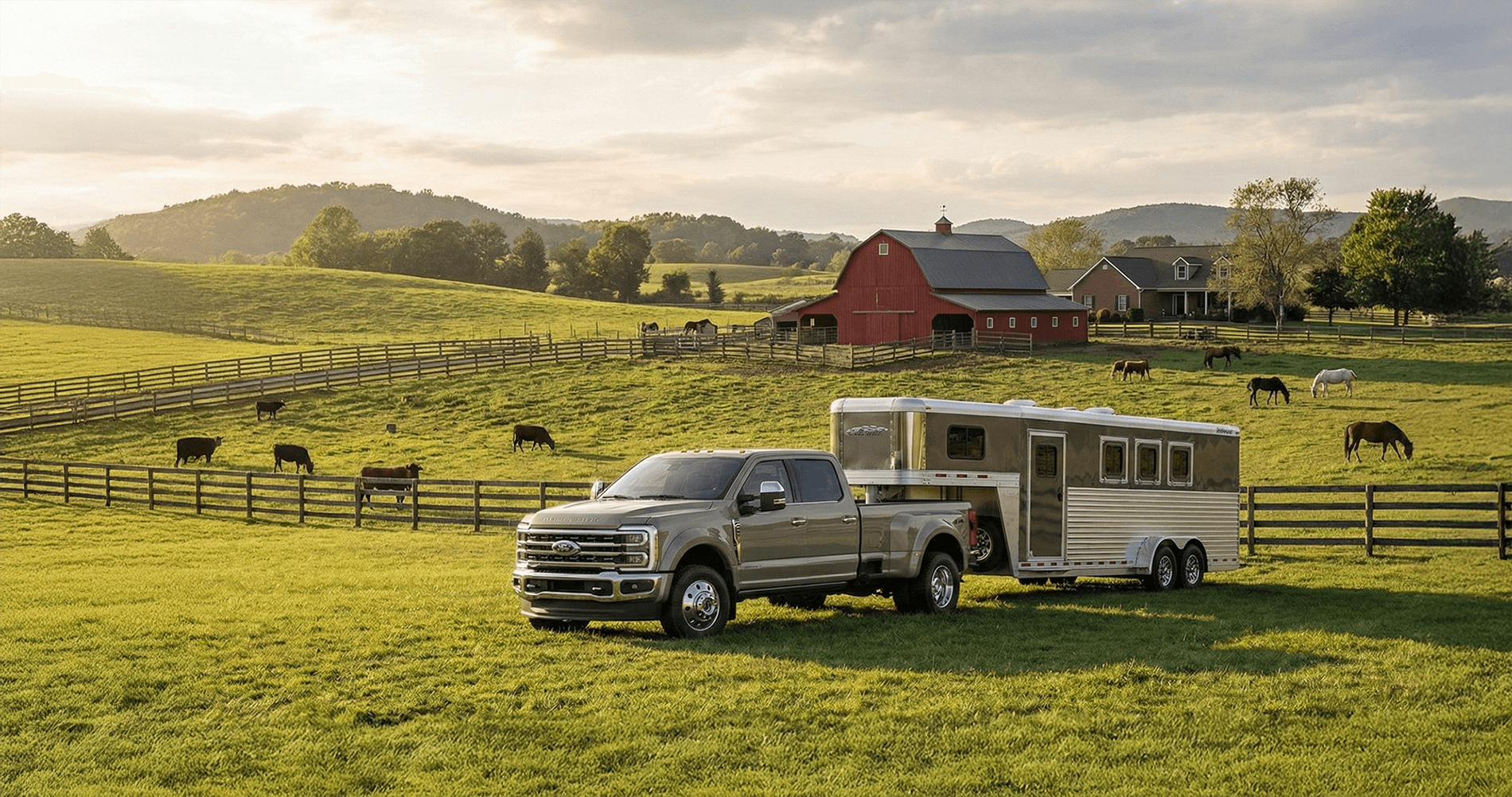
Your Ford F-350 offers industry-leading performance, but only when matched with the correct engine and axle configuration. Always verify your specific limits via the door jamb sticker rather than relying on general marketing numbers.
Proper maintenance and adherence to payload limits ensure your truck remains reliable for years of heavy hauling. Consult your owner’s manual before your next big trip to confirm your setup meets all safety requirements.