If your 2007 F-150 passenger window won’t go up or down, you’re not alone. This is a common issue across this model year, and while it may seem like a simple switch or motor problem, the root cause often lies deeper in the electrical system. The 2007 F-150 passenger window not working typically stems from wiring damage, circuit protection failure, or switch malfunctions, especially in the driver’s door, which controls the entire window network.
This guide walks you through the most likely causes, how to diagnose them step by step, and the best repair methods based on real-world data and mechanic insights. You’ll learn why the driver’s door harness is the number one failure point, how to test the 30-amp circuit breaker, and when to suspect the master switch.
Check Power Source First
Before tearing into doors or replacing switches, verify the power supply. The 2007 F-150’s window system relies on a precise electrical chain, and breaking one link stops all windows from working.
Test the 30-Amp Circuit Breaker
Located in the central junction box on the driver’s side interior fuse panel, this resettable thermal breaker is the heart of the window circuit. Unlike a standard fuse, it trips under overload and resets when cooled, but can degrade over time.
Symptoms of failure include no power to any window even after fuse replacement. To test it, turn the ignition off and locate the 30-amp breaker, often labeled “POWER WINDOWS.” Use a multimeter to check for continuity across the terminals. If there’s no continuity, the breaker is dead and needs replacement.
Quick diagnostic bypass involves temporarily connecting a jumper wire across the two terminals. Only do this for testing. If windows work with the bypass, the breaker is faulty. Never drive with the bypass installed.
Inspect Fuse #40 and Accessory Relay
Even if the main breaker checks out, don’t skip Fuse #40, a secondary blade fuse in the same panel. Pull and inspect it for breaks or discoloration, and use a test light or multimeter to confirm power on both sides when the ignition is on.
Next, check the accessory delay relay, also in the junction box. This relay sends initial power to the window circuit and is interchangeable with other 5-pin relays in the box. Swap it with a matching relay like the horn or fuel pump relay to test. If windows work after the swap, the original relay was bad.
Inspect Door Wiring Harness
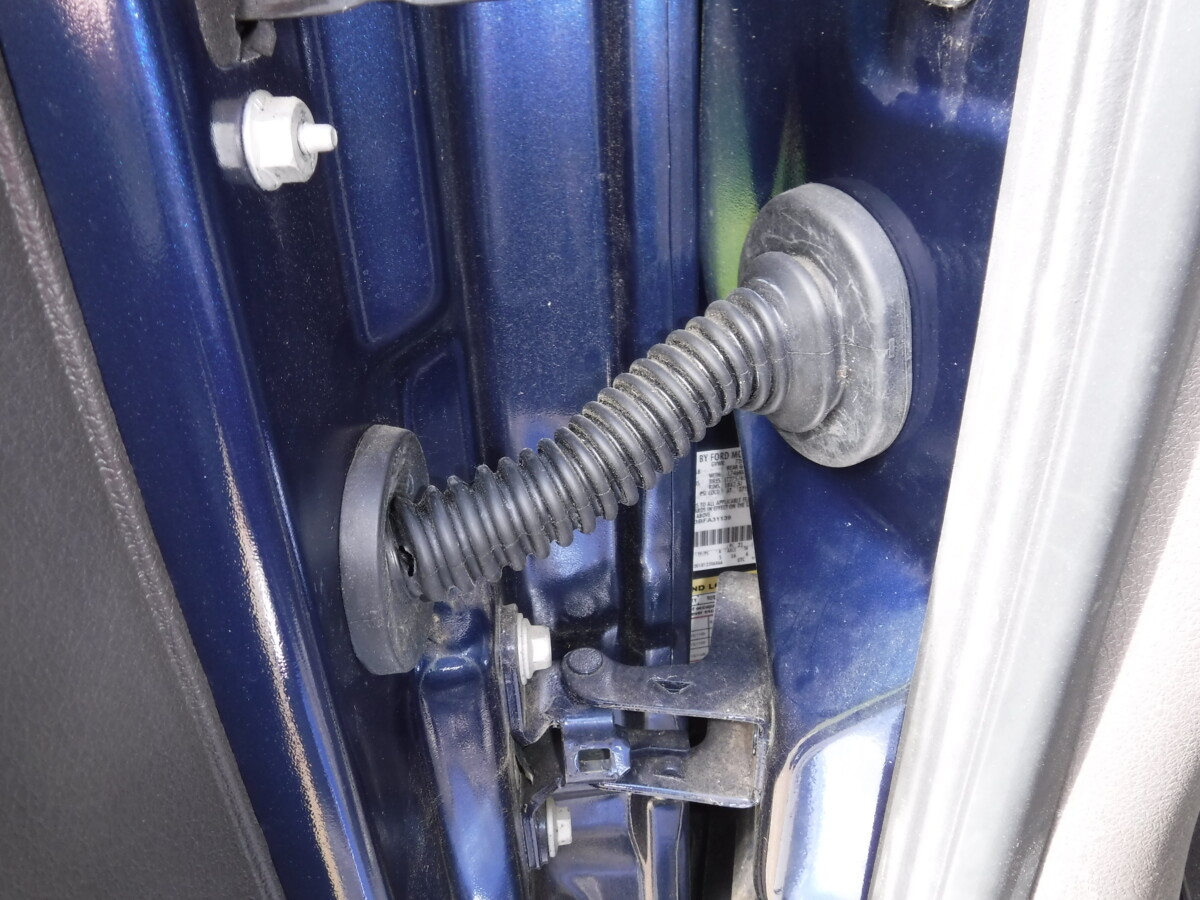
The number one cause of 2007 F-150 passenger window failure is damaged wiring in the driver’s door-to-body harness. All window power flows through this path, even for the passenger side.
Locate the Rubber Boot at Hinge
Find the flexible rubber grommet where the door connects to the A-pillar. Open the door and look at the hinge area. This boot protects a bundle of wires that flex every time the door moves.
Look for Broken Wires
Carefully peel back the rubber boot and inspect all wires, especially the yellow with light green stripe, which is the main power feed for the windows. Common signs of damage include cracked insulation, wires pulled loose from connectors, and internal breaks where wires look intact but are severed inside.
Gently tug each wire. If it stretches or pulls out, it’s broken internally.
Repair with Solder, Not Crimps
Cut out the damaged section, strip the ends, and solder new connections. Seal with heat-shrink tubing, which lasts longer than electrical tape. Avoid butt connectors or wire nuts because they fail under door movement.
Best practice involves running new wires from the cabin side into the door, bypassing the damaged section entirely. Abandon the old wire if needed.
Recheck After Repair
One user fixed a broken wire but still had no power because the 30-amp breaker had no voltage input. Always trace power flow from relay to breaker to switch after any repair.
Test the Master Window Switch
Since all window power routes through the driver’s master switch, its failure disables every window, even if only the passenger side seems affected.
Check for Power at the Switch
Remove the driver’s door panel and use a test light to check for 12V at the switch connector when the ignition is on. If there’s no power, the issue is upstream, meaning the breaker, relay, or harness. If power is present but windows don’t respond, the switch may be faulty.
Diagnose Switch Function
Symptoms of failure include no response from any window, intermittent operation, or one window working while others don’t. Test by swapping the master switch with a known-good unit if available, or use a multimeter to check for continuity when pressing each window button.
Corrosion, worn contacts, or internal relay failure can kill the switch over time, especially in humid climates.
Do Not Ignore the Window Lock Button
The master switch includes a lock button that disables all passenger switches. If engaged, even accidentally, the passenger window won’t respond to its local switch. Test by trying to operate the passenger window from the driver’s side. If it works, the lock is likely the issue.
Diagnose Passenger-Side Switch and Motor
If the passenger window works from the driver’s switch but not from the passenger switch, the problem is isolated to the passenger door.
Test the Passenger Window Switch
Remove the passenger door panel, disconnect the switch, and check for power at the connector. Use a multimeter to test continuity when pressing up and down. If there’s no continuity, replace the switch.
One owner found their passenger window rolled up from the driver’s side but not locally, confirming a bad passenger switch.
Check the Window Motor Directly
Disconnect the motor harness and apply 12V battery power directly to the motor terminals. If the motor runs, the issue is upstream, meaning the switch or wiring. If it doesn’t, the motor is dead.
Replace the regulator when replacing the motor. Ford’s cable-and-pulley regulators are notoriously weak and fail early due to plastic guides and cable tension issues.
Inspect the Regulator
Remove the door panel and inner moisture shield. Look for derailed cables, cracked plastic pulleys, and bent or broken metal arms. If any damage is visible, replace the motor-regulator combo.
Aftermarket motor-regulator kits are often cheaper than OEM motors alone.
Rule Out Grounding Issues
Poor grounding can prevent the window circuit from completing, even if power is present.
Check Door-to-Body Ground
Look for a ground strap connecting the door to the frame. Inspect for corrosion, looseness, or broken wires. Clean connections and tighten securely.
Test for Ground Faults
Set the multimeter to continuity mode and check between the window motor ground wire and the chassis. There should be a solid connection with no resistance. Also check for unintended grounding, like a control wire touching metal, which can cause shorts.
One owner found power only when the door was closed, suggesting a ground issue in the harness boot.
Follow the Diagnostic Flow
Use this sequence to isolate the problem efficiently.
No Windows Work
Start with fuse #40, the 30-amp breaker, and the accessory relay. Then inspect the driver’s door harness, which is the most common culprit. If power reaches the master switch but not the motors, test or replace the switch.
Only Passenger Window Fails
Confirm it doesn’t work from either switch. If it works from the driver’s side but not the passenger side, replace the passenger switch. If it doesn’t work from either side, check the passenger door wiring, motor, and regulator.
Intermittent Operation
This points to a loose connection, failing circuit breaker, or wires breaking under stress. Focus on the door harness because flexing can cause temporary contact. Also suspect the breaker because thermal trips can reset after cooling.
Repair Best Practices
Fix it right the first time with these proven methods.
Always Disconnect the Battery
Prevent shorts and damage by disconnecting the negative terminal before any electrical work.
Use Solder and Heat-Shrink
Never use crimp connectors in door harnesses because they fail under vibration. Solder creates a permanent bond, and heat-shrink seals against moisture.
Reinforce the Harness
After repair, protect wires with spiral wrap or braided sleeving. Add strain relief and don’t let wires bear the weight of the door movement.
Replace Regulator with Motor
Ford’s original regulators are a known weak point. Replacing both together saves labor and prevents repeat failures. Look for kits with reinforced cables and metal pulleys for longer life.
Prevent Future Failures
Avoid repeat repairs with these maintenance tips.
Inspect Every 12 to 18 Months
Peel back the rubber boot and check for cracks or wire stress. Do this especially if you live in cold climates because flexing in freezing temperatures accelerates wear.
Seal Against Moisture
Apply dielectric grease to connectors and boot ends. This prevents corrosion and water ingress.
Do Not Slam Doors
Hard closures increase stress on wires and regulators. Train passengers to close doors gently.
Consider an Upgraded Harness
Aftermarket reinforced harness kits are available. They include longer boots, strain relief, and thicker wires.
Frequently Asked Questions About 2007 F-150 Passenger Window Problems
Why does my 2007 F-150 passenger window only work from the driver’s switch?
This typically indicates a faulty passenger window switch. If the window responds to the driver’s master control but not the passenger-side button, the passenger switch needs replacement.
Can a blown fuse cause all windows to stop working?
Yes. While Fuse #40 and the 30-amp circuit breaker protect the window circuit, a blown fuse or failed breaker can disable all windows simultaneously. Always check these components first.
How do I know if my window motor is bad?
Apply 12V directly to the motor terminals. If the motor runs, the issue is upstream. If there’s no sound or movement, the motor is likely dead and needs replacement.
Is the driver door harness really the most common failure point?
Yes. Over 80% of reported cases trace back to the driver’s door wiring harness at the hinge area. The constant flexing during door operation breaks wires internally, even when they appear intact externally.
Can I use crimp connectors to repair door wiring?
No. Crimp connectors, wire nuts, and butt connectors fail under the vibration and movement in door harnesses. Always solder connections and seal with heat-shrink tubing for permanent repairs.
Key Takeaways for Fixing Your 2007 F-150 Window
The 2007 F-150 passenger window issue is rarely just about the passenger door. Over 80% of cases trace back to the driver’s door wiring harness or the 30-amp circuit breaker. Start your diagnosis there, test power flow step by step, and avoid replacing parts blindly.
The key steps are checking the 30-amp breaker and accessory relay first, then inspecting the driver’s door hinge harness for broken wires, especially the yellow with light green stripe. Always use solder and heat-shrink for permanent repairs, never crimp connectors. With the right approach, you can fix it yourself in a few hours, saving hundreds at the dealership.