If your F-150 door not latching properly, you’re not alone. Thousands of Ford owners from 2010 to 2024 models report doors that bounce back when closed, pop open while driving, or refuse to open at all. The problem intensifies in cold weather below freezing and affects front and rear doors on both driver and passenger sides. While Ford has issued Technical Service Bulletins and Customer Satisfaction Programs, many fixes are temporary because they don’t address the root cause: a design flaw in the door latch mechanism.
This isn’t just an annoyance. A door that unlatches while driving creates a loud pop, distracts the driver, and could lead to injury. Worse, a door that won’t open traps you inside during emergencies. This guide delivers proven solutions from quick field fixes to permanent repairs so your F-150 stays secure in any weather.
Recognize Common Latch Failure Symptoms
Door Bounces Back When Closed
If your F-150 door won’t stay shut and bounces back after closing, the latch isn’t engaging properly. This often requires multiple slams or forceful closure to lock. In extreme cases, the door may pop open while driving, especially over bumps or at highway speeds. Some drivers report success by locking the door before closing, which helps the latch catch more securely.
This symptom is most common in cold weather but can occur year-round if moisture has entered the door cavity. Even a partially latched door triggers the door ajar warning and keeps the dome light on, draining your battery over time.
Door Won’t Open From Inside or Outside
When pulling the interior or exterior handle produces no resistance or action, the latch is likely frozen, bound, or disconnected. The handle may feel loose, like it’s not connected to anything. Despite unlocking via key fob or switch, the door behaves as if still locked.
This often happens after exposure to rain, snow, or car washes followed by freezing temperatures. Many owners regain access only after warming the cab with remote start for 10 to 15 minutes, confirming thermal dependency.
Persistent Door Ajar Warning
A false door ajar signal means the Body Control Module thinks the door is open even when it’s closed. This keeps the dome light on, risking battery drain. The issue stems from frozen or misaligned latch switches that fail to send the correct closed signal.
If multiple doors trigger warnings, it suggests widespread moisture ingress or aging latches. Unlike fuse-related issues, there’s no dedicated fuse for the latch system. Mechanical repair is required.
Understand Why F-150 Doors Fail
Moisture Ingress Causes Freezing
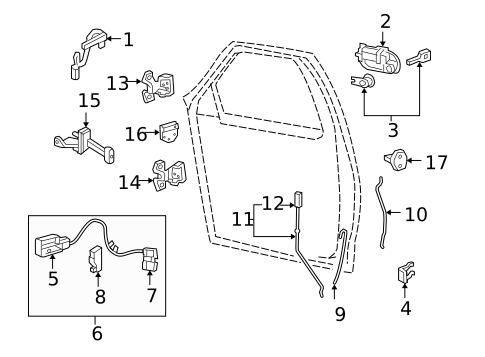
Water enters the door through gaps in the exterior handle, drain holes, damaged vapor barriers, or poorly sealed seams. Once inside, it pools around the latch, cables, and rods. When temperatures drop below 32°F, especially below 16°F, this moisture freezes and immobilizes moving parts.
Ice buildup prevents the latch claw from retracting or engaging. Even after thawing, repeated freeze-thaw cycles degrade factory lubrication, increase friction, and accelerate wear.
Missing Return Spring in Inside Handle
The core mechanical flaw involves no adequate return spring for the inside door handle cable. Without proper tension, the cable doesn’t fully retract after use, creating slack that leads to binding or incomplete release.
This defect is not fixed by lubrication alone. Even Ford’s TSBs ignore this issue, explaining why many repairs fail. The updated latch model includes a higher-tension spring, which is the only real fix.
Thermal Contraction of Components
Metal and plastic parts contract at different rates in cold weather. This differential shrinkage causes misalignment and binding within the latch assembly, even without ice. The result is increased resistance and partial engagement.
This explains why some doors fail only in extreme cold, even with no visible moisture.
Poor Factory Lubrication
Factory-applied grease often thickens or hardens in freezing temps, acting like glue instead of a lubricant. Some TSBs recommend multipurpose grease, which can trap moisture and worsen performance.
Silicone-based lubes or hygrophobic sprays like PB Blaster perform better in cold, wet conditions.
Misaligned Striker or Latch Housing
After panel removal or latch replacement, improper reassembly can misalign the striker plate or latch housing. This prevents full engagement, causing the door to bounce back.
If the problem persists in warm weather, mechanical adjustment, not freezing, is the likely culprit.
Check for Active TSBs and Recalls
TSB 16-0155: Cold-Weather Latch Fix
This applies to 2015-2017 F-150s including SuperCrew rear doors. The procedure includes removing the door panel, drying the latch mechanism, applying multipurpose grease, and reinstalling the vapor barrier with better sealing.
The limitation is that it doesn’t replace the latch or fix the spring issue. Many users report recurrence after this fix.
TSB 18N03: Enhanced Moisture Protection
This covers 2018 F-150 and Super Duty models. It involves full door disassembly, drying internal parts, reapplying vapor barrier, and lubricating with fresh grease.
Service time often requires an overnight stay at the dealer. User feedback is mixed. Some praise it, others say doors freeze again within months.
CSP 17S33: Foam Blocks and Sealing
Ford’s Customer Satisfaction Program adds foam blocks and recommends silicone grease. It helps reduce moisture but doesn’t solve the spring deficiency.
These services are free even outside warranty if your VIN qualifies. Use the Ford Owner Portal to check your eligibility.
Diagnose the Problem Fast
Test Handle Tension
Pull the exterior handle. If it moves freely with no resistance, the mechanism is likely frozen or disconnected. A firm, springy feel means the cable is intact.
If the interior handle pulls but the door won’t open, the cable may be stuck or the latch frozen.
Correlate with Temperature
Does the issue happen only below freezing? Does it clear up after warming the cab? If yes, moisture and cold are the primary culprits.
Owners report success by remote starting the truck for 10 to 15 minutes before exiting.
Check One Side vs. Both
If only the passenger side fails, it may have worse seal degradation or drainage issues. Side-specific failure suggests localized exposure, not a systemic electrical problem.
Apply Immediate Fixes
Spray Penetrating Lubricant Now
Best products include PB Blaster for hygrophobic properties, WD-40 for quick penetration, silicone spray for long-term protection, and Vaseline which some users swear by.
To apply, insert a straw nozzle into the exterior door handle and spray upward into the latch mechanism from the door edge. Lubricate around the lock rod indicator so grease runs down the shaft. Cycle the handle repeatedly to work the lube in. Repeat after warming or washing.
Keep a can in your glove box for emergencies.
Use Remote Start to Thaw
If the door won’t open, remote start the truck and let it idle for 10 to 15 minutes. The cabin heat often thaws frozen latches.
Once inside, apply lubricant and let the door cycle a few times.
Try Locking Before Closing
Some owners find that locking the door first then closing it helps the latch engage more securely. This may force the mechanism into full lock position.
Implement Long-Term Prevention
Remove Door Drain Plugs
Part of CSP 17S33, removing drain plugs allows water to escape and prevents pooling. Do this on all four doors.
Check monthly to ensure holes aren’t clogged with debris.
Apply Silicone Grease Annually
Once a year before winter, remove the door panel and clean all moving parts. Apply silicone-based grease to latch, cables, and rods. Reinstall the vapor barrier properly.
Avoid High-Pressure Washes
Never aim high-pressure sprayers directly at door handles in cold weather. Water forced into seams can freeze overnight.
Wash in warmer temps or use touchless car washes.
Replace the Latch for a Permanent Fix
Why Replacement Beats Lubrication
Lubrication helps, but only replacing the latch with an updated model fixes the core flaw. The new latch includes a higher-tension return spring for the inside handle cable, ensuring full retraction and preventing binding.
This is the only solution that addresses the design defect Ford never fully corrected.
Step-by-Step Replacement
Remove the door panel using trim tools to pop plastic clips. Disconnect window and lock wiring.
Disconnect the inside handle cable from the latch mechanism.
Remove three Torx bolts securing the latch.
Extract the old latch and install the updated unit.
Reconnect the cable, test operation, and reassemble.
Verify the correct part number with your dealer. Not all replacement latches include the spring upgrade.
Deal With a Stuck Door
Pry the Latch Mechanically
If the door won’t open, remove the interior panel as much as possible with the door closed. Locate the latch mechanism near the door edge. Use a screwdriver or pry bar to manually trigger the release.
Apply force just below the pink clip, which is a common failure point. Use repeated, firm taps. This takes patience and strength.
Use Physical Key as Backup
Always carry the manual key. If electronic locks fail, use it to unlock the door.
If you can’t enter, remote start the truck to warm it up, then try the key.
Geographic Risk: Where It Happens Most
High-Failure Zones
Northern Ontario, the Pacific Northwest with rain-to-snow cycles, and the Midwest with cold wet winters see the most reports. Owners in these areas report near-universal issues.
Washing and Parking Risks
Car washes before freezing temps create high risk. Outdoor parking increases exposure. Road salt accelerates corrosion.
Avoid washing your truck right before a cold snap.
Follow the Owner Action Plan
Immediate Steps
Check recalls using your VIN at Ford Owner. Visit the dealer for TSB 18N03 if eligible. Spray silicone lube into handles now.
Seasonal Maintenance
Disassemble and grease mechanisms once a year. Remove drain plugs to prevent water buildup. Avoid directing high-pressure sprays at handles in freezing weather.
Emergency Prep
Keep WD-40 or PB Blaster in the cab. Carry the manual key and a trim tool. Use remote start daily in winter.
Compare TSB vs. Latch Replacement

| Factor | TSB 16-0155 / 18N03 | Latch Replacement |
|---|---|---|
| Fixes Moisture | Yes | Yes |
| Fixes Spring Issue | No | Yes |
| Labor Level | Moderate | High |
| Durability | Temporary | Permanent |
| Cold Weather Performance | Fair | Excellent |
| Cost Under Recall | Free | Should be free |
| Long-Term Reliability | Low | High |
TSBs help, but latch replacement is the only permanent fix.
Final Thoughts on F-150 Door Latch Repair
The F-150 door not latching issue is a known design flaw, not driver error. Ford’s TSBs treat symptoms, not the cause. For lasting peace of mind, replace the latch with the updated spring-equipped model, apply silicone lubrication, and remove drain plugs.
Until Ford redesigns the mechanism, proactive maintenance is your best defense, especially if you live in cold wet climates. Don’t wait for a door to fly open on the highway. Fix it now.
Frequently Asked Questions About F-150 Door Latching Issues
Why does my F-150 door bounce back when I close it?
The latch isn’t engaging properly due to moisture freezing, a weak return spring, or misalignment. Try locking the door before closing or apply silicone lubricant to the latch mechanism.
At what temperature do F-150 doors start having latching problems?
Issues typically begin below 32°F and become severe below 16°F. Moisture inside the door freezes and immobilizes the latch mechanism.
Can I fix the F-150 door latch myself?
Yes. Apply penetrating lubricant like PB Blaster or WD-40 for temporary relief. For a permanent fix, replace the latch with an updated model that includes a higher-tension spring.
Are Ford TSBs free for this issue?
Yes. TSB 18N03 and related service campaigns are free even outside warranty if your VIN qualifies. Check eligibility at the Ford Owner Portal.
Why does my door ajar light stay on even when the door is closed?
The door latch switch is frozen, misaligned, or faulty. This sends incorrect signals to the Body Control Module. Mechanical repair or replacement is required.
How do I open my F-150 door when it’s frozen shut?
Remote start the truck and let it warm for 10 to 15 minutes. If that fails, remove the interior panel and manually pry the latch release with a screwdriver.